Marine navigation has gone through a remarkable transformation with the introduction of modern GPS technology. As someone enthusiastic about both boating and electronics, I’ve noticed how B&G has secured a leading place in advanced marine navigation solutions. Whether you skipper a racing sailboat or command a bluewater cruiser, knowing what B&G has to offer is key if you want to make the most of cutting-edge GPS systems on the water.
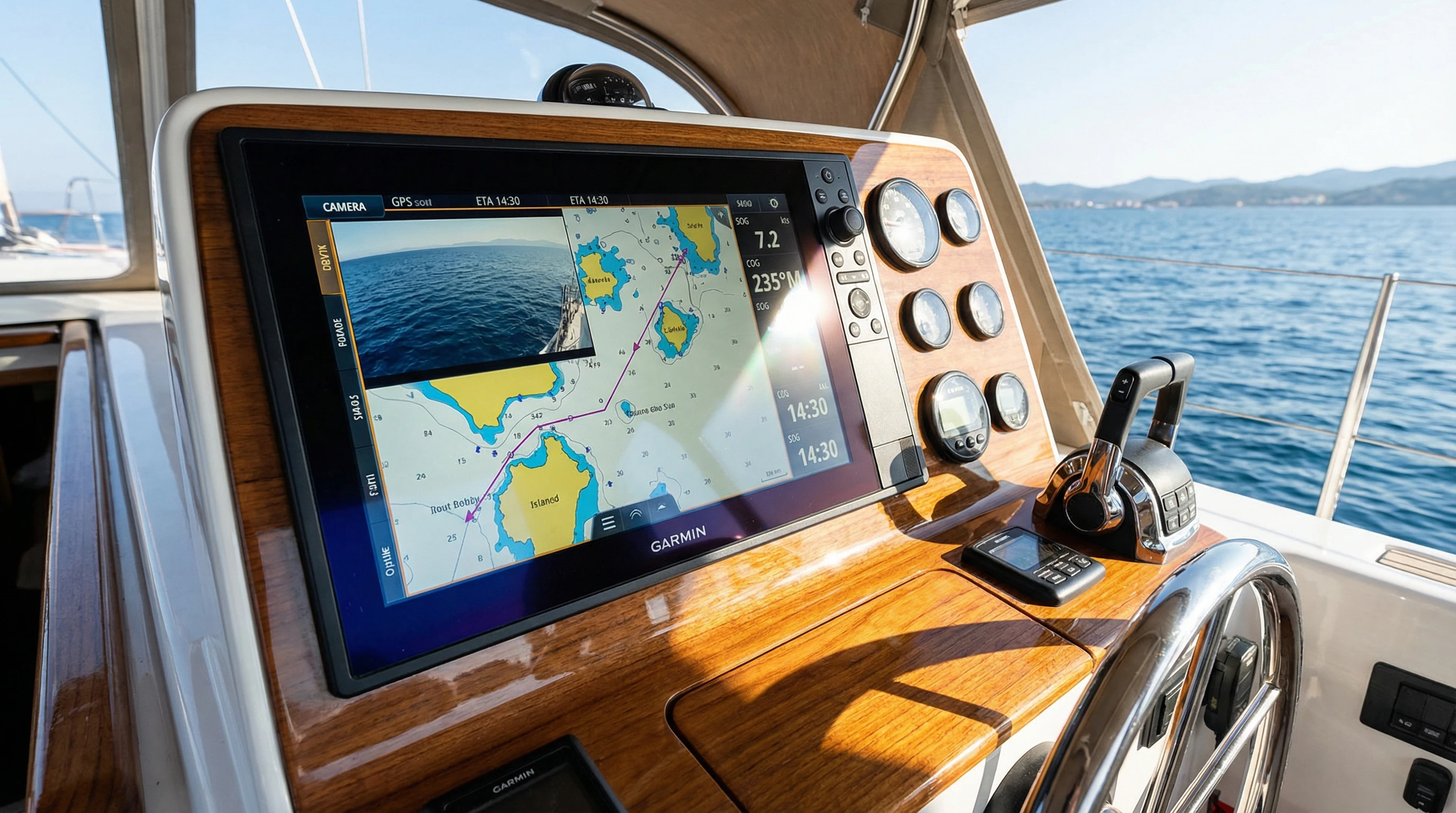
The Glow-Up of Marine Navigation and B&G’s Role
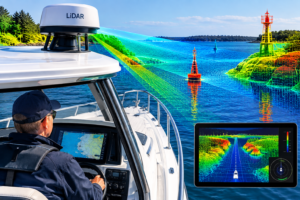
GPS technology completely changed how vessels of all types find their position at sea. Before its arrival, navigation was a manual, often stressful process that demanded charts, compass readings, and loads of careful planning. Fast forward to today, and you’ll find top tier marine navigation systems like B&G handling real-time positioning, detailed route planning, and syncing with other onboard electronics. This means more safety and less hassle on the water for everyone.
B&G has spent decades zeroing in on sailing tech, earning a solid reputation for reliable, high-performance marine gear. Professional sailors, weekend racers, and leisure boaters all look to B&G when faced with tricky weather or the intensity of competition. The company’s impact on marine navigation has grown alongside new technologies, such as highly accurate GPS modules, fast processors, and slick touchscreen controls.
How B&G Marine GPS Solutions Work in Practice
B&G’s navigation systems target both serious sailors and marine professionals. Their GPS solutions weave together multiple technologies into a seamless, all in one package. Here’s what you can expect with a B&G system:
- Multitouch Displays: Top B&G lines like Zeus and Vulcan have screens that react even when your fingers are wet or gloved.
- High-Performance GPS: Precision sensors provide updates several times per second so you stay exact, even when sailing fast or maneuvering in tight quarters.
- Integration Powers: Devices easily communicate with wind indicators, autopilot, sonar, and radar. That means you can see essential navigation and boat data on one tidy screen.
- Sailing-Focused Software: Special features like laylines, sailing time calculators, and race timers help tackle tough tactical decisions and shave precious seconds during races.
- Wireless Connectivity: Built in WiFi means updating charts or viewing your navigation screen from any mobile device is a breeze.
This blend of tools lets a skipper stay focused on the ride instead of constantly fiddling with controls. Personally, having instant access to chart data, wind shifts, and tide info all together has really cut my stress, especially on longer trips or during unexpected weather changes.
Why Professionals Rely on B&G GPS Solutions
Every professional sailor and navigator I talk to stresses the same point: accuracy and reliability are must-haves at sea. Both racing and offshore trips demand rock solid equipment, which is where B&G shines. Their GPS solutions are made to sync up with a variety of onboard instruments. Using B&G’s NMEA 2000 networking, you can smoothly connect wind sensors, depth sounders, and autopilots in just one system, giving you consistent info that helps in fast changing conditions.
Race teams especially lean on B&G for special features you won’t get from basic chartplotters. Laylines, for example, let you plot the quickest upwind or downwind course, while advanced wind tracking tools dish up live updates about shifts and gusts. These advanced sailing options often become the difference between clinching a win and coming up short in regattas.
B&G GPS Features Overview, What Truly Sets Them Apart?
B&G’s suite of features stands out when you start digging into their unique offerings. Here’s what consistently impresses me in their lineup:
- Advanced Chartplotting: Clean vector maps, quick redraws, and a clever menu design make even the most intricate navigation easier for sailors at any skill level.
- SailSteer and Sailing Tools: Not just generic navigation, but targeted tools like SailSteer put wind, tide, and waypoints front and center, helping keep your focus on the racecourse or a safe cruising path.
- Automatic Routing: The software can suggest smart routes, using your boat’s specs and current conditions to steer clear of shallow water or hazards.
- Integrated Autopilot Control: Many models allow direct control of the autopilot on screen. This is handy whether you’re solo or just need to make a tweak fast.
- Remote Display and Control: Through wireless connections, you can tweak routes or check key info on your phone or tablet while moving around the boat.
These options are built squarely for the sailing crowd. The focus on specifics, such as wind plotting or layline advice, can really help you relax and steer clear of navigational mishaps, especially when heading into new waters.
B&G vs. The Competition, How They Stack Up Against Other GPS Systems
Choosing the right system often means weighing options against Garmin, Raymarine, and Simrad. After sizing up B&G vs. competitor GPS systems over many seasons, here’s what consistently stands out:
- Sailing Specialization: B&G can really edge out others with its unique sailing tactics featureslike , real time race timers, wind info, and laylines. Many all-purpose competitors don’t get this detailed.
- Sailor Centered Menus: For B&G, the most pressing info for sailors stays front and center. Other brands sometimes tilt toward motorboat priorities, which can feel clunky if you’re sticking to sailboats.
- Durability in Harsh Waters: B&G has a reputation among offshore sailors for handling extreme conditions. While all major brands are made tough, B&G’s track record inspires extra confidence on long crossings or wild weather days.
- Chart Support: B&G handles chart formats like C-MAP and Navionics, so moving between brands or sharing trip info with other crews is no sweat.
- Value and Investment: Prices land right alongside the big competitors, but paying a touch more for features tailored to sailing can be worth it if you’re passionate about your time on the water.
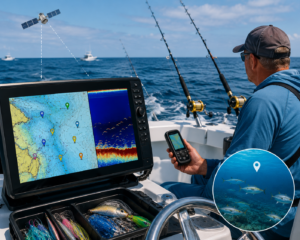
I’ve met racers who won’t use anything but B&G, but I also know cruisers who go with Garmin or Raymarine because of other perks. The smartest move is to match your setup to what you value most, racing performance, fishing tools, or ease of use on long cruises.
What to Ask Before Settling on a B&G Navigation Solution
If you’re building a new boat setup or looking to update, a few key points should shape your B&G marine navigation decision:
- Boat Style and Main Uses: Sailboats and performance yachts are where B&G shines. If you’re running a powerboat, it’s worth checking specific features with other brands for a tighter match.
- Integration Goals: List out what information you want immediately visible. B&G can tie together lots of data, but it pays to figure this out in advance, so you’re not forced to glue together mismatched equipment later.
- Screen Size and Layout: Think about your helm setup and how far away you’ll be standing. A larger display isn’t always better—it could block views or crowd your dashboard.
- Favorite Charts: Double check that the digital charts you use most are compatible. This prevents costly surprises after installation.
- Support and Service Access: Find out where your closest support center is, especially if you plan open ocean trips. Even with B&G’s toughness, fast help or parts access is important if things go sideways far from home.
Thinking through these questions up front steels you against wrong turns and lets you start with a tight, all in one package instead of bolt-on fixes down the line.
Common Roadblocks with Modern Marine GPS Solutions
Even the best systems can throw you a curveball. Some challenges I’ve run into when using advanced B&G GPS solutions include:
- Software Updates: Updates can squash bugs and offer new features, but you’re better off installing them when at dock, never at sea, just in case a glitch pops up.
- Complexity of Menus: There are a lot of shortcuts and options. I recommend spending time learning your setup at the dock, so you’re not stumbling through new menus on the move.
- Device Compatibility: Plugging in third party sensors generally works well, especially with NMEA 2000, but sometimes mixing equipment takes patience and a few tweaks.
- Power Usage: B&G systems do use juice, and on small boats running off batteries, careful power planning is a must. I always watch how much power’s being used, especially on longer adventures.
- Backup Essentials: Never let GPS be your sole way of finding your way. I still carry old-fashioned paper charts and a handheld GPS, just in case something stops working at sea.
Most headaches can be avoided with some preparation. A little time upfront ensures things run smoothly when you’re miles from shore.
Real World Boating, How B&G Systems Step Up Everyday Sailing
Hands on use with B&G systems across several boats has revealed plenty of practical benefits, whether for racers or cruisers. In an offshore rally not long ago, pre-planning waypoints, weather overlays, and expected wind patterns using B&G technology saved us hours of head scratching. I
’ve witnessed race teams secure trophies by using B&G’s timers and layline tricks, while cruisers appreciate route planning that lets them relax and focus on saili
ng. These tools cut down on fatigue and headaches, and make every trip smoother and safer, especially for the crew and new sailors aboard.
Sailing specific features put B&G at the top for anyone seeking to get the most out of their boat. Clean data displays and smart predictive routinghelp new or visiting sailors avoid trouble in unknown waters. Even families on weekend outings notice the boost in ease and safety compared to old school equipment.
FAQ: Quick Answers About B&G Marine Navigation Solutions
Let’s run through a few questions I often hear about using B&G systems:
Question: Are B&G navigation systems exclusively for racers?
Answer: Not at all. While racers love B&G for tactical features and advanced data, cruisers and leisure sailors also benefit from clear planning tools, intuitive displays, and built in weather info.
Question: Can B&G GPS units work with gear from other brands?
Answer: Absolutely. Because B&G uses standards like NMEA 2000, you can often use wind, depth, and other sensors from a mix of manufacturers. It’s always smart to check compatibility specifics first, though.
Question: What kind of maintenance is required?
Answer: Besides keeping displays clean and software up to date, inspect cables and connections now and then. Problems are rare, but keeping spares and the manual handy can keep a minor issue from becoming a major one.
Question: Do B&G systems pair with charting apps on tablets or phones?
Answer: Yes, as long as you’ve got WiFi built in, you can mirror your display or plan routes using popular apps from anywhere on your boat.
How to Get the Most from Your B&G Marine Navigation Gear
B&G’s blend of sailor specific software, sharp screens, and massive integration options makes them a solid pick for everyone from pro racers to adventure loving families. Careful install and regular software checks unlock even more value. It’s worth the effort to master your system dockside before your next sailing trip.
Marine navigation tech is always on the move, but B&G consistently brings together the features and trustworthy performance boaters need. By matching your system to your unique needs and putting some thought into setup and learning, B&G’s advanced navigation systems can truly make time on the water safer, less stressful, and a lot more fun.
About The Author