Boat navigation today feels a lot more reassuring than it did even a decade ago. With marine GPS units keeping me on course and AIS (Automatic Identification System) tracking ships nearby, getting lost or missing an important signal is much less likely. I find that combining these two systems, known as GPS AIS integration, is now the go-to approach for both everyday boaters and professionals at sea.

A Quick Introduction to AIS and Marine GPS Integration
If you’re new to boating tech, AIS stands for Automatic Identification System. It’s designed to help prevent collisions and improve tracking on busy waterways. Marine GPS (Global Positioning System) shows my exact position and course. When I combine AIS technology with marine GPS navigation, I get real-time data about my boat’s movement and information about other vessels around me. This integration hands me a much bigger picture. I can see everything from ship names and bearings to speed, all layered on one clear display.
Marine GPS AIS systems have quickly become standard equipment. For me, this technology has replaced older charts and radio only updates with something far more detailed and immediate. Given that over 400,000 vessels now broadcast AIS globally (according to the International Maritime Organization), integrating this info with GPS has never been more useful for keeping me safe and informed on the water.
How AIS and GPS Work Together on the Water
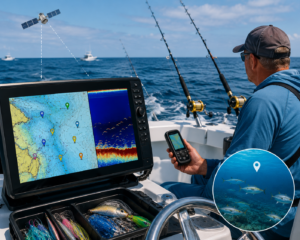
AIS transmitters automatically send information about a vessel’s location, size, speed, and identity over VHF radio waves. Other boats with AIS can receive these broadcasts, as can shore stations. When I run an AIS receiver alongside my marine GPS, the systems work together. My GPS displays a real-time map of my course and overlays AIS contacts, showing where every participating boat or ship is in relation to me.
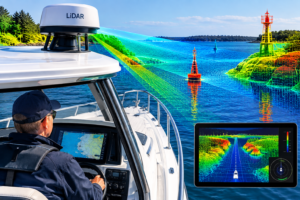
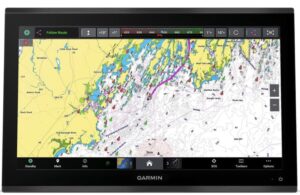
The integration usually happens within a single multifunction display or chartplotter. Some modern AIS devices for boats even come built into GPS systems, so I only have to manage one unit at my helm. This cuts down on clutter, but more importantly, it keeps my attention focused where it belongs: on safe navigation. The result is clearer situational awareness, especially in crowded harbors or near shipping lanes where quick reactions matter.
Why I Think GPS AIS Integration Makes Navigation Safer
Marine accidents often happen due to missed signals or confusion about vessel location. AIS improves marine safety by automatically tracking ships and making their movements totally transparent. Whether it’s foggy or pitch dark, AIS doesn’t care about visibility. My GPS AIS setup lets me see approaching traffic, monitor their distance, and plan accordingly.
One of the biggest GPS AIS integration benefits is real-time collision avoidance. If another boat appears likely to cross my path, my system can alert me with enough time to slow down or alter course. I also use it to identify large commercial ships long before they are within sight, and check their intentions by calling them with their MMSI (Maritime Mobile Service Identity) number if needed.
Main Features of a Marine GPS AIS System
- Live Vessel Tracking: Shows surrounding AIS enabled ships including their name, size, heading, and speed, on the same map as my position.
- Collision Alerts: Offers safety alarms if another boat’s projected path threatens mine.
- Overlay Functionality: Puts all navigation data and AIS targets together, so there’s no flipping back and forth.
- Waypoint and Route Planning: I can plot courses around busy traffic areas, or drop waypoints directly based on AIS data.
- MMSI Lookup: Contact ships quickly using their digital identifier for direct communication.
- Weather Integration: Some premium models also add weather overlays, currents, and even radar for a total navigation package.
When I look for the best AIS devices for boats, I always check for strong GPS accuracy, clear visibility in bright sun, reliable alert settings, and support for Class A (commercial) or Class B (recreational) AIS transmissions depending on what type of vessel I’m running.
Step by Step Guide: Upgrading to a Marine GPS AIS Setup
- Check Your Current Equipment: If you already have a compatible chartplotter, adding AIS may just mean plugging in a receiver or transponder.
- Choose an AIS Device: Decide between a simple receiver (see info only) or a full transponder (broadcast your position too). Boats over 300 gross tons must use Class A AIS; most pleasure craft can use Class B.
- Install and Integrate: Follow the manufacturer’s guide or get professional help; connecting via NMEA 0183/2000 or direct wiring is usually needed for data sharing.
- Update Your Maps and Software: Regularly check for firmware and chart updates to display everything correctly and get the latest safety features.
- Test on the Water: Check the GPS signal, view AIS contacts, and make sure alarms work at various distances. It’s also a good time to get comfortable with menu settings and notifications.
When upgrading, don’t forget to secure your installation wiring and check all connections for corrosion. Use marine grade hardware as much as possible to avoid future problems. A neat setup goes a long way in making troubleshooting easier should problems ever pop up.
It’s worth spending a few hours familiarizing yourself with the menu and screen layout of your new device, including setting up custom alarms, optimizing display brightness, and practicing with sample targets. Many manufacturers post video tutorials which can be very helpful for understanding advanced features, like incorporating radar overlays or adjusting the relative and true motion of displayed vessels.
Things to Consider Before Investing in a GPS AIS System
- Chartplotter Compatibility: Not every display supports AIS. Make sure yours has the right ports and software.
- Power Draw: Adding devices means more demand on your boat’s battery, especially if you have radar and fishfinders too.
- Antenna Quality: A good VHF antenna is really important for both AIS and GPS performance.
- Subscription Fees: Most AIS services don’t need a subscription, but some advanced weather overlays or satellite tracking do.
- Installation Space: Even with combined units, double check your available space on the helm or chart table.
I always recommend checking online reviews, boat forums, and talking to other skippers for honest feedback about real-world device reliability.
Also, be mindful of AIS privacy. Depending on your situation, you may want to limit when your vessel is transmitting detailed position data (for instance, when in a private anchorage or during overnight stays). Modern Class B AIS units often offer a transmit silence button for those occasions.
Chartplotter Compatibility
Matching your AIS device to your chartplotter avoids headaches. Some older plotters may need a software upgrade, or a new interface cable, to show AIS targets properly. If you’re unsure, look for gear specifically labeled as AIS ready.
Antenna Setup
Both GPS and AIS rely on strong antennas. A high mounted VHF antenna improves both AIS range and clarity. For GPS, a clear view of the sky is essential. On smaller boats I always make sure antennas have proper separation to avoid interference.
For extra redundancy, consider integrating a standalone GPS antenna along with your AIS if your plotter allows it. This can help in case one system fails or when heavy weather interferes with direct sky visibility. Many high-end GPS AIS units allow this for added peace of mind.
Comparing Marine AIS Technology and Devices
AIS gear is divided into two main types: Class A and Class B. Class A is meant for commercial vessels and sends more frequent, detailed updates. For most private boats, Class B is enough, offering good range and all the features I use in crowded marinas or cruising offshore.
Here’s a quick marine AIS technology comparison for typical scenarios:
- Class A AIS: Mandated for large ships; transmits every 2 to 10 seconds; wide detection range; expensive and more complex.
- Class B AIS: Great for pleasure craft; less frequent updates (every 30 seconds to 3 minutes); affordable and simpler to set up.
Many of the best AIS devices for boats feature dualchannel receivers, built in GPS, NMEA networking for easy wiring, and simple touchscreen interfaces. Top brands like Garmin, Raymarine, Simrad, and Furuno each offer combo units and standalone AIS solutions that can suit just about any vessel and budget.
For anyone cruising internationally, check if you need to update your AIS and GPS configurations to meet local regulations, as standards can vary slightly between countries. It’s always a good idea to review documentation before any major voyage to avoid compliance issues in foreign waters.
How GPS AIS Integration Gives a Boost to Real Life Boating
Using both GPS and AIS together gives me peace of mind. For example, coming into a busy harbor under low visibility, I rely on AIS to spot ships before I could visually see them. My GPS helps me plot a safe approach by tracking my position relative to moving vessels in real time. When I’m cruising open water on a long passage, I can relax knowing alarms will trigger if a fast moving ship appears within range, even if I’m focusing on something else like trimming sails or prepping lunch.
If I spot unusual movement or sudden speed changes from a nearby AIS contact, I can call their MMSI number directly, clarify intentions, or take action early—not after an unexpected close call. Another advantage comes during offshore racing or organized cruising rallies: I keep track of my group’s progress and receive instant updates if someone slows or changes heading unexpectedly.
Families and less experienced boaters especially appreciate the confidence that comes from intelligent AIS-linked alerts. I find it useful when traveling near navigational hazards or busy ferry routes, too. In situations where marine fog descends unexpectedly, the combination of GPS precision and AIS target data can truly be a lifesaver, giving you precious extra minutes to react well before a dangerous encounter happens.
Common Questions About Marine GPS AIS Systems
What’s the main advantage of AIS technology for marine navigation?
AIS gives me live ship location and identity data, boosting my awareness on the water. Integrating it with GPS means I see all relevant info in one place for better decision-making.
Do I need to transmit my own AIS signal or just receive others?
For most pleasure boats, receiving only is fine, but transmitting increases my visibility to larger vessels, which matters in low-visibility situations or busy ports.
What’s the key difference in marine GPS AIS features between Class A and Class B systems?
Class A sends more frequent updates and is required for large commercial ships. Class B is more affordable and suited to smaller craft, with infrequent but still useful position reporting.
Can I add AIS to an older GPS/chartplotter?
Usually yes, as long as the chartplotter offers NMEA 0183 or NMEA 2000 support. Sometimes a software update is needed to enable AIS display.
How far can AIS pick up ships?
Range depends on antenna height. I often see targets up to 20 to 25 nautical miles offshore with a well mounted antenna and clear sky.
Final Thoughts on Choosing and Using Marine GPS AIS
When I pick out new electronics for my boat, GPS AIS integration is always at the top of my list. The practical benefits in safety and situational awareness easily justify the upfront time and cost. No matter your level of experience or the size of your boat, having AIS and GPS working side by side makes navigation more enjoyable and less stressful.
Keeping up with the latest marine GPS AIS systems gives me confidence on the water, and I encourage anyone serious about boating or sailing to consider upgrading or adding this technology for a safer, smoother ride.
As new technology continues to shape boating electronics, expect even more reliable, fast, and userfriendly GPS AIS solutions in the coming years. These advances mean even weekend skippers can access tools that make navigating easier, safer, and more connected than ever before. Whether you’re a seasoned bluewater sailor or just starting out with weekend trips, a GPS AIS setup is one of the best investments you can make to protect yourself and your crew.
About The Author