Marine electronics have totally changed how I approach safety, navigation, and communication out on the water. Whether I’m fishing offshore, heading out for a weekend cruise, or managing a commercial vessel, having reliable brands behind my gear makes a huge difference.
Knowing which companies lead the marine electronics industry can really help when I’m choosing the right equipment for my boat, especially as these products get more advanced each year. Here, I’m sharing my picks for the best marine electronics brands in 2026, key features that matter to me, and how to make a solid buying decision.
Best Marine Electronics Brands 2026: Who Leads the Market?
Choosing from the best marine electronics brands in 2026 matters for peace of mind and performance. I look for brands with clear track records, great warranties, and responsive customer support. Many companies have a specialty, but a few are strong across many product lines. Here are the companies I often recommend or use on my own boat:
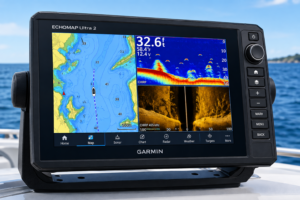
- Garmin: Garmin is known for its high quality GPS chartplotters, fishfinders, radar, and autopilot systems. I like how their interfaces are clear, their map updates are frequent, and their support is reliable. I have found their devices work well together, especially if I want everything on one screen.
- Raymarine: Raymarine stands out for its easy to use controls and bright displays. They’re especially popular for radar and integrated navigation systems. Many sailors choose Raymarine for their networked autopilots and sailing instruments.
- Simrad: If I’m equipping a larger yacht or a sportfishing boat, Simrad gear is often at the top of my list. Their multitouch displays, advanced sonar, and solid radar are aimed at demanding boaters.
- Furuno: Furuno is a staple for commercial boats, but I also see a lot of serious offshore anglers trust their sonar/echo sounders. The company’s radar is especially respected for reliability in tough conditions.
- Lowrance: Anglers love Lowrance. I use their fishfinders and chartplotters for inshore and bass fishing. They blend value and performance, and their touchscreen displays are intuitive.
- KVH: If I want satellite internet, TV, and communication at sea, KVH is a go to brand. I’ve used their domes for dependable satellite data during long crossings.
- B&G: For sailboats, B&G delivers some of the best instruments and autopilots. Race crews count on their wind sensors and networked displays for instant feedback.
I regularly see updates about these major companies in Marine Electronics Industry News 2026, and following these developments helps keep my electronics current and effective.
Latest Marine Electronics Innovations
There have been some big leaps in marine electronics recently, and I find that it pays off to watch for new releases and features each season. Here’s what I see when I check out the Latest Marine Electronics Innovations for 2026:
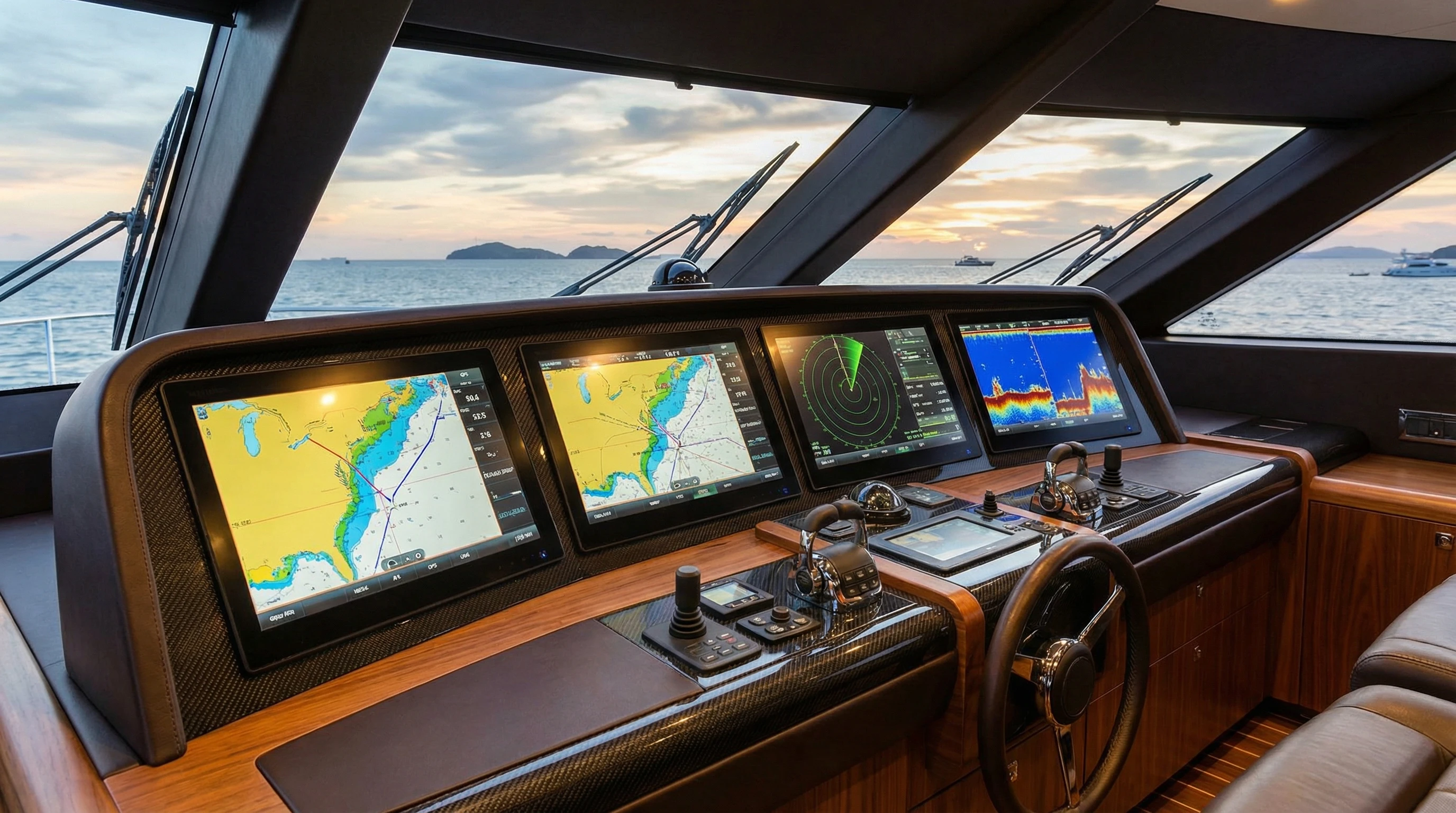
- Integrated Touchscreen Displays: The switch to bright, multifunction touchscreens means that I can now access radar, sonar, GPS charts, and engine info all from one unit. Newer MFDs (MultiFunction Displays) allow me to customize layouts, which streamlines operations for all crew members.
- Real Time Sonar and Fish Targeting: Brands like Garmin and Lowrance are pushing boundaries with live sonar. I can literally see fish and structures in high detail as I move, which has been a big help when exploring new fishing grounds.
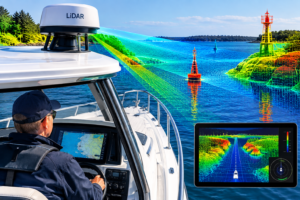
- Augmented Reality Navigation: Some brands overlay critical navigation info directly on live video feeds. This is super helpful when approaching crowded harbors or threading through tight channels in low visibility.
- Plug and Play Networking: Connecting new sensors and modules is now easier. I don’t have to be an electrician to add a new radar or autopilot; many brands use common networking cables and connectors.
- Wireless Connectivity: Apps on my phone or tablet can access and control most of my electronics now. Syncing trips, updating charts, and streaming data to the cloud feels almost effortless with brands that support mobile integration.
- Environmentally Friendly Features: Some brands now offer electronics that help monitor battery use, prevent fuel wastage, and track energy consumption.
Keeping up with the latest tech helps me futureproof my system so that my investment lasts.
How to Choose: Marine Electronics Buying Guide 2026
Sorting through options from the top marine electronics manufacturers can feel overwhelming. Here’s my step by step approach, which lines up with the main advice in most Marine Electronics Buying Guide 2026 articles:
- Decide on Your Main Priorities: I always ask myself what problems I want my gear to solve. Maybe I’m looking for the best GPS for marine electronics, a great fishfinder, or better communication in remote waters.
- Consider Your Boat’s Size and Power Supply: Small boats need compact gear and economical power draws, while bigger boats can handle larger networked systems.
- Think About Integration: I like to plan ahead for extra gear. If I want to add radar or AIS later, choosing a system with room for growth really helps.
- Check for Updates and Customer Support: Brands that offer regular software updates and helpful support are key for a smooth experience.
- Read Reviews and Industry News: I check sites like BoatUS Expert Advice for impartial reviews, and I look at actual user experiences to avoid common problems.
- Demo Products if Possible: Local boat shows let me test displays before buying. I find this helps me spot screens that are hard to read in sunlight or controls that feel awkward.
Careful research helps buyers make informed decisions.
Key Product Categories: What Matters Most
Every boater uses electronic equipment a bit differently, but these are the categories I pay the most attention to when comparing brands:
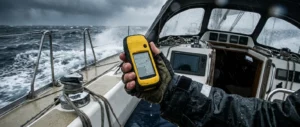
- Chartplotters and GPS Units: Easy to read maps, fast updates, and touchscreen controls are big priorities for me. Garmin, Simrad, and Raymarine are all excellent picks for this category.
- Fishfinders and Sonar: I want clear images at all depths. Lowrance and Garmin lead the pack for anglers, while Furuno stands out for deepwater and commercial use.
- Marine Radar: When visibility drops, I rely on radar from Furuno or Raymarine for real time tracking of vessels and obstacles.
- Communications (VHF, AIS & Satellite): I always include a solid VHF radio, and if I venture offshore, satellite gear from KVH keeps me connected. AIS receivers are getting more useful due to busy waterways.
- Autopilots and Instrumentation: For hands free cruising or precise sailing, Simrad, Raymarine, and B&G produce smart autopilots that quickly adapt to weather and course changes.
Comparing specs, compatibility, and user reviews across these categories makes it easier for me to choose the right brand for my needs.
What to Watch Out for When Shopping Marine Electronics
There are a few stumbling blocks I always keep in mind so I don’t end up disappointed with my electronics setup:
- Display Visibility: Not all screens are visible in full sun or under polarized sunglasses. Testing in real world conditions is really important.
- Waterproofing and Durability: Saltwater, spray, and harsh sun can take a toll. I stick to brands with solid IP ratings and proven ruggedness.
- Power Consumption: Older batteries or small boats need low draw devices. I check standby and peak usage specs carefully.
- Compatibility with Accessories: Not every brand “plays nice” with others. If I already own certain sensors or radar, I match my new gear accordingly.
- Update Policies: Some brands lock essential features behind paid updates or subscriptions, so I factor that cost in over the device’s lifespan.
Planning for these issues before buying keeps my time on the water stress free.
Practical Example: Upgrading Electronics on My Boat
When I upgraded my electronics a year ago, I started by assessing what was outdated and what I really needed. I replaced my old chartplotter with a Garmin unit to get a bigger, more readable display, and I added a new VHF radio from Icom (a respected communications brand). I stuck with Lowrance for my fishfinder because I wanted a system I already understood.
I spent time attending a local boat show to see all major brands in action, and I got to chat with other boaters and technicians. Their feedback influenced my choices more than any ad ever could.
Advanced Tips: Making the Most of Top Marine Electronics Manufacturers
If I want to get more value from my investment, a few extra steps go a long way:
- Update Software Regularly: Routine updates keep gear working and introduce new features. Most major brands push free updates several times each year.
- Clean and Protect Displays: I clean my touchscreens with a microfiber cloth and use screen covers to avoid scratches.
- Back Up Waypoints and Settings: I always export my routes and waypoints to a memory card or cloud backup, so I never lose them after a reset or upgrade.
- Register Gear: Registering my devices with the manufacturer helps with warranty coverage and speedy customer service if something breaks down.
- Join Online User Groups: Forums and Facebook groups are full of real world stories, troubleshooting tips, and hacks for brands like Garmin, Raymarine, and Simrad.
Paying attention to these details helps extend the life and performance of my marine electronics.
Marine Electronics Industry News 2026: Future Trends
I’ve seen a steady pace of change in marine technology, with many trends worth watching. According to recent Marine Electronics Industry News 2026 updates, these are shaping where the industry is heading:
- AI-Driven Features: More brands are rolling out AI assisted autopilots, smart alarms, and auto routing to help prevent navigation mistakes and save fuel.
- Green Initiatives: Efforts are underway to develop electronics that reduce environmental impact and power draw, including partnerships between manufacturers and eco focused groups.
- More Affordable High End Gear: As tech becomes cheaper to produce, top tier features are trickling down to midrange units, so more boaters get access to things like side imaging sonar and augmented reality.
- Improved Connectivity: Many manufacturers invest in global satellite partnerships, making fast internet and data possible even offshore.
I plan to keep tracking these changes to ensure my electronics are always up to date and compatible with tomorrow’s boats.
Frequently Asked Questions
After years on the water and lots of time spent researching, I often hear similar questions from other boaters. Here are a few of the most common, with my best advice:
Question: What is the best GPS for marine electronics right now?
Answer: In my experience, Garmin GPSMAP series is one of the most dependable. Raymarine Axiom and Simrad NSS Evo3 units are also top options for both beginners and techsavvy users.
Question: Can I mix and match brands when upgrading?
Answer: It’s possible, but crossbrand compatibility can be hit and miss. If you prefer things simple, stick with one brand’s ecosystem, especially for networked devices like radar and GPS. For basic VHF or standalone chartplotters, mixing brands is less of an issue.
Question: How long should I expect my marine electronics to last?
Answer: With basic care, most marine electronic gear lasts 5-10 years. Keeping equipment covered and dry, and regularly updating software, gives it the best chance of running well for many seasons.
Final Thoughts
For me, boating wouldn’t be the same without the security, convenience, and enjoyment that top marine electronics brands provide. Focusing on reliability, practical features, and ongoing support is key, especially as 2026 brings new innovations to the market. Doing a bit of research and comparing the big names helps make each trip safer and more enjoyable.