Sailing navigation software has completely changed how I plan and manage sailing routes. Whether I’m out for a relaxing cruise along the coast or preparing for a long ocean crossing, having dependable tools makes every adventure smoother and safer.
With a multitude of upgrades and new features each year, the choices can seem overwhelming. In this article, I’m sharing my personal take on the top 10 sailing navigation software options for 2026 and offering practical advice to help both beginners and seasoned sailors track down the perfect fit for their needs.
Why Sailing Navigation Software Matters
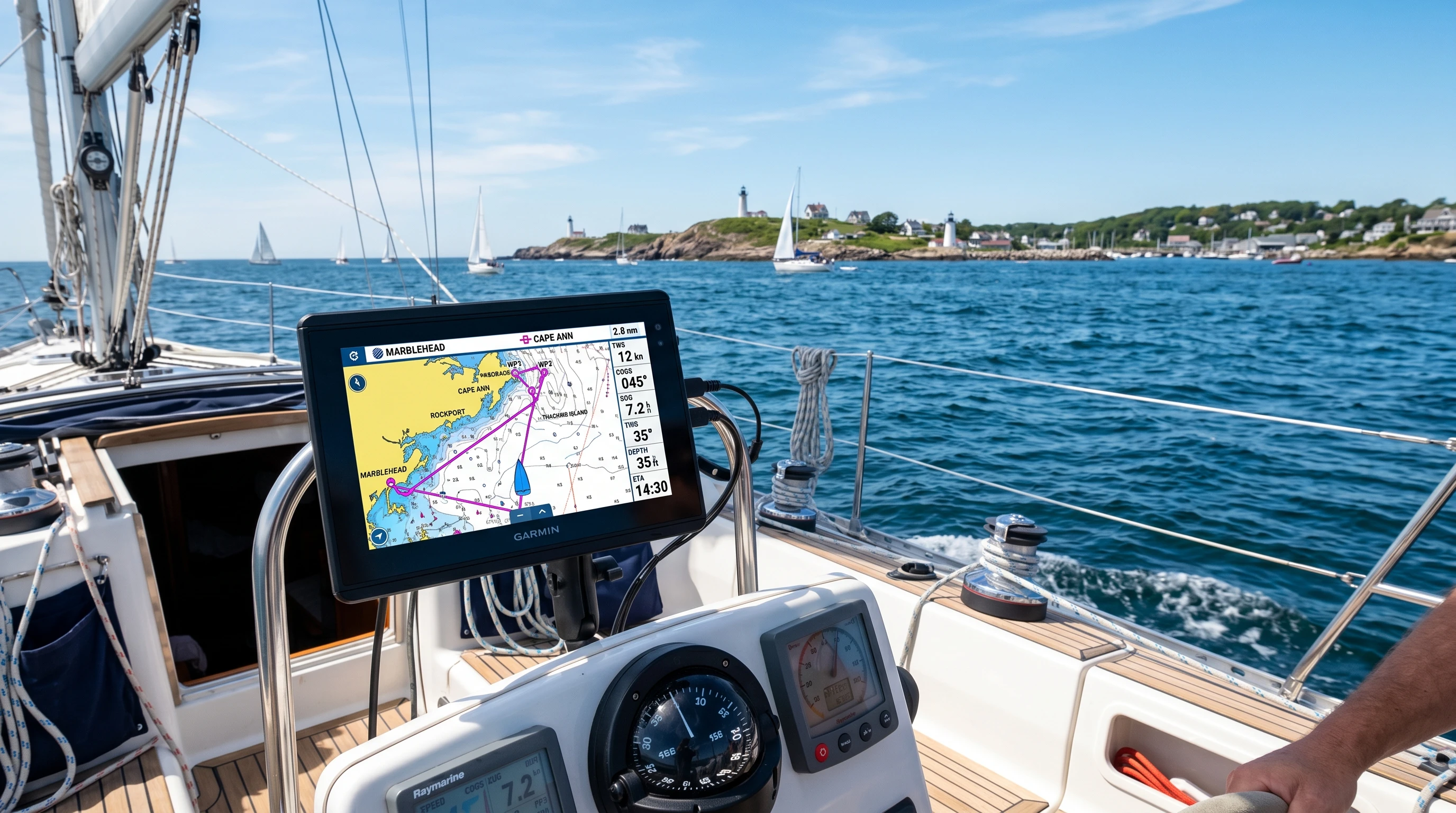
When I first started sailing, planning relied on paper charts and plenty of patience. Times have changed. Now, sailing navigation softwareTop 10 Sailing Navigation Software In 2026 gives me current charts, accurate weather, and quick route calculations right on my tablet or phone. These apps help me focus on enjoying the ride instead of constantly worrying about my position or steering clear of hazards.
Sailing navigation apps are especially useful for beginners. I can use them to set up waypoints, track currents, and check tidal info quickly. Most apps also list marinas and anchorages nearby. The best sailing navigation apps make even tricky tasks less intimidating, so I feel confident, whether I’m racing or just out for a quick day sail.
Understanding Sailing Navigation Apps
Sailing navigation software includes any digital tool I use to plan, track, and manage routes on the water. These run on smartphones, tablets, chartplotters, or PCs. Some offer all in one chart coverage for multiple regions, others focus on live weather, tidal planning, or crowdsourced data about ports and hazards.
- Chart Plotting: Lets me map out routes, set waypoints, and check progress on electronic maps.
- Weather Integration: Provides details like wind, wave, and storm forecasts for prepping routes.
- AIS Compatibility: Shows where nearby ships are located, helping avoid traffic, especially at night or in busy passages.
- Offline Functionality: This is crucial on longer trips when signal drops; I can download charts and essential info in advance.
- Community Features: Lets me and other sailors share marina info, anchorages, and warning spots, making the journey smarter and safer.
Not every sailing navigation app includes all these features, so I try to match what I need with how and where I sail. Simple interfaces and tutorials appeal to beginners, while advanced users can tune more options and integrate extra data sources.
Top 10 Sailing Navigation Software Picks for 2026
- Navionics Boating HD
Navionics stays at the top thanks to multi-layer charting, real-time weather, and rich local data from its worldwide user base. The ActiveCaptain feature is like having a global sailing network in my pocket. It’s available for iOS, Android, and chartplotters, with seamless syncing between devices. - iNavX
iNavX stands out because I can access charts from multiple sources, layer GPX tracks, AIS, and weather overlays. Customizing the display, plus integrating with outside AIS or GPS units, makes it a favorite for US and international sailors. NOAA raster and vector chart support adds flexibility for coastal navigation. - Savvy Navvy
Known as the “Google Maps for sailors,” Savvy Navvy offers intuitive planning and route suggestions, even for those brand new to sailing. With automatic fuel use calculations, tidal overlays, and up to the minute wind data, planning becomes smooth. It works just as fast syncing between my phone and tablet, making trip prep easy. - OpenCPN
As open source and totally free, OpenCPN is great for budget-conscious sailors. Its plugin library brings extra features, including GRIB weather overlays and satellite autofill charts. Running it on my laptop means a larger screen for tricky routes, plus there’s a lively user group always willing to help or share advice. - C-MAP Embark
This app taps into community contributed marina and hazard data, a strong advantage for coastal cruising. Overlaying weather and tide info is simple. Free charting for casual use, with paid upgrades adding more powerful tools, makes C-MAP a solid choice for new sailors and veterans alike. - Seapilot
Popular in Scandinavia and northern Europe, Seapilot features a friendly, AIS ready interface and reliable coastal charts. Its social tools help if I’m joining a group sail or a race. Accurate routing and port info make planning stops in new harbors less stressful. - Weather4D Routing & Navigation
If routing for weather is my top priority, this app shines. It overlays wind, waves, and currents on my path, so I can adjust the course based on forecasts. Offshore sailors benefit most from GRIB file integration for detailed passage planning and tracking. - Garmin ActiveCaptain
ActiveCaptain pairs with Garmin chartplotters as well as a standalone mobile app. Transferring routes wirelessly between the app and plotter is efficient. The user review system helps me find reliable marinas and service locations anywhere. The overall interface offers all the tools needed without being complicated. - qtVlm Navigation
This option caters to the technically inclined sailor, delivering advanced weather routing, AIS, and multiple chart source support. Offshore racers use its polar diagrams and routing calculations for big passages. Having a large number of downloadable chartsets in offline mode provides peace of mind when I’m far from shore. - Transas iSailor
Transas iSailor blends detailed vector charts with swift syncing across devices. I use it for fast trip planning and for sharing routes with the crew. With regular updates and clear charting, it works well for weekend cruisers as well as dedicated passagemakers.
Choosing the Right Sailing Navigation App
Every sailor’s needs are different depending on skill level and local waters. For beginners, apps like Savvy Navvy or C-MAP Embark are the best sailing navigation software to start with, both come with clear step-by-step instructions and easy to use menus. More adventurous or technical sailors planning longer offshore outings might go for OpenCPN or qtVlm, which let you customize more and handle detailed chartfiles.
Cost really comes into play too. Many of the top free sailing navigation apps, such as OpenCPN and basic Navionics, help me get started without spending a cent. But be aware, premium features or larger chart packs often require a subscription. I compare the included features before deciding, which saves both time and money.
What to Consider Before Choosing Navigation Software
- Device Compatibility: I always make sure my chosen app works on my phone, tablet, or laptop. Compatibility differs a lot between brands.
- Offline Access: Downloading charts before leaving the dock is vital, especially if cell signal fades out mid trip.
- AIS Support: Tracking nearby ships in real-time enhances safety, particularly in crowded or commercial shipping zones.
- Chart Updates: Keeping charts current is a safety priority, so I give higher marks to apps with frequent, easy updates.
- Weather Integration: Apps that include weather forecasts help me choose the safest and fastest routes.
- User Community: Reviews and locally contributed information make exploring new areas much easier and safer for me and other sailors.
Device Compatibility Tips
Every time I try a new app, I check if it works on all my devices. Some apps are restricted to iOS or Android, others offer support for chartplotters, Windows, or Mac. If I want seamless movement of routes between phone and chartplotter, Navionics and Garmin ActiveCaptain do the job best.
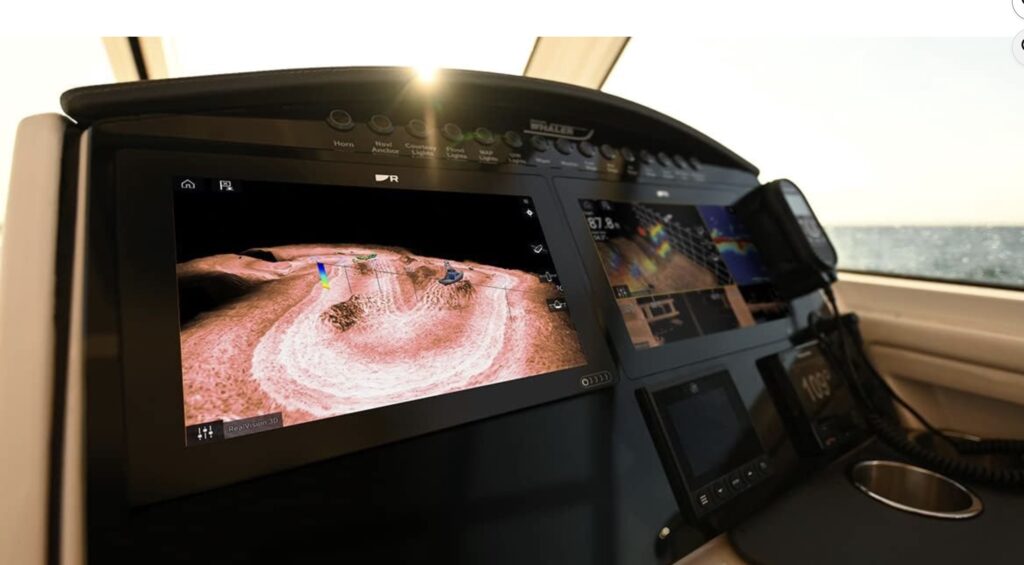
Importance of Offline Charts
For long voyages or remote destinations, offline charts are my safety net when connection vanishes. I make it routine to download all needed charts and weather info before leaving—this move has saved me in more than a few tough moments when signal failed far from the marina.
Common Pitfalls and How to Avoid Them
- Failing to update charts: Out-of-date info can mean danger, so I set reminders to check for chart updates often to keep things reliable.
- Skipping tutorials: Every navigation app takes getting used to. The built-in tutorials or online guides for sailing navigation software are super helpful—I like to practice before relying on the app offshore.
- Poor power management: Navigation apps use a lot of battery. I always bring a charged backup and invest in a power bank for longer multi day trips.
- Depending on just one system: No app or device is perfect. I always pack backup paper charts or a handheld GPS in case electronics fail.
Advanced Tips for Navigating Like a Pro
Once I’m comfortable with basic features, stepping up my game can really build confidence. Weather4D and qtVlm, for instance, let me plan routes based on evolving wind patterns. Turning on AIS layers helps me pick out nearby ships and plan smoother, less stressful passages through crowded areas. Setting audible alerts for depth, route drift, or hazards acts as my extra set of eyes, especially on long watches at night.
If I’m interested in rallying or racing, importing and exporting GPX or KML files lets me review my tracks for future improvement. I also prefer apps that make syncing and sharing waypoints and routes between all of my devices a breeze, saving loads of prep time before setting out.
Popular Use Cases for Sailing Navigation Apps
- Coastal Cruising: Easily checking anchorages, marinas, tide tables, and hazards along the shoreline.
- Long Passages: Downloading weather and charts for uninterrupted offshore routing and continuous AIS coverage.
- Day Sailing: Planning quick short trips, adjusting for changing wind or local weather.
- Racing: Tracking and recording routes, optimizing performance, and reviewing speed and track after each event.
A personal experience: While hopping through the Greek islands, ActiveCaptain in Navionics pointed out the best anchorages around Santorini via current community reviews. It saved me hours and gave confidence when entering new waters late in the day.
Sailing Navigation Apps Comparison 2026: Key Features Table
| App Name | Platform | Free Version? | Offline Charts | AIS Support | Best For |
|---|---|---|---|---|---|
| Navionics Boating HD | iOS, Android | Yes | Yes | Yes | Allaround use |
| iNavX | iOS, Android | No | Yes | Yes | Chart customization |
| Savvy Navvy | iOS, Android, Web | Yes | Yes | Limited | Beginners & social users |
| OpenCPN | PC, Mac, Linux | Yes | Yes | Yes | Technical users |
| C-MAP Embark | iOS, Android | Yes | Yes | No | Coastal cruising |
| Seapilot | iOS, Android | Yes | Yes | Yes | Nordic waters |
| Weather4D | iOS | No | Yes | No | Weather routing |
| Garmin ActiveCaptain | iOS, Android | Yes | Yes | Yes | Garmin chartplotters |
| qtVlm | PC, Mac, Linux | Yes | Yes | Yes | Advanced offshore |
| Transas iSailor | iOS, Android | No | Yes | No | Route sharing |
Frequently Asked Questions
Question: What’s the best free sailing navigation app for 2026?
Answer: OpenCPN gives you full chartplotter functions for free, plus a basic Navionics Boating HD version is excellent for casual cruising without extra cost.
Question: Which sailing navigation software works best for beginners?
Answer: Savvy Navvy and C-MAP Embark are super easy for new sailors, helping with step by step planning and basic navigation, and eliminating technical complexity.
Question: Do I need an internet connection while using sailing apps?
Answer: Most navigation apps let me download charts and some weather reports for offline use, but live updates and reviews only refresh when I reconnect. Always sync before heading out.
Question: Is AIS required for safe navigation?
Answer: AIS isn’t mandatory, but it’s a major boost to safety, especially at night or near shipping routes. Apps with AIS support help me spot and dodge other vessels.
Question: How can I learn to use sailing navigation software effectively?
Answer: Built-in tutorials, online guides, and YouTube walkthroughs for sailing navigation software are easy to find. Practicing in familiar waters before venturing further is always smart.
Final Thoughts
Wrapping up, the best sailing navigation software for 2026 depends on how you like to sail and where your next trips will take you. I recommend prioritizing simple, reliable apps for easy day adventures, and stepping up to more technical tools when sailing offshore or racing. The right app will make planning easier, keep your tracking seamless, and help you enjoy more of the freedom sailing offers.
The future of sailing navigation is bright, there has never been a more exciting or safer time to jump in and explore new waters.
This article was created with AI assistance and reviewed by a human editor.
About The Author