Marine GPS installations are essential for keeping vessels safe and on course. From experience, power failures in these systems can quickly escalate into stressful situations, particularly when navigating busy ports or rough weather, highlighting the importance of following the best practices for GPS system recovery.
Recovery from these events offers some really valuable lessons that help improve safety, reliability, and performance over time. Drawing from real experiences, technical reports, and common patterns, I want to share the key lessons I’ve learned from power failure recovery in marine GPS setups. This breakdown can act as a reference for vessel operators, marine engineers, and anyone interested in better GPS resilience on the water.
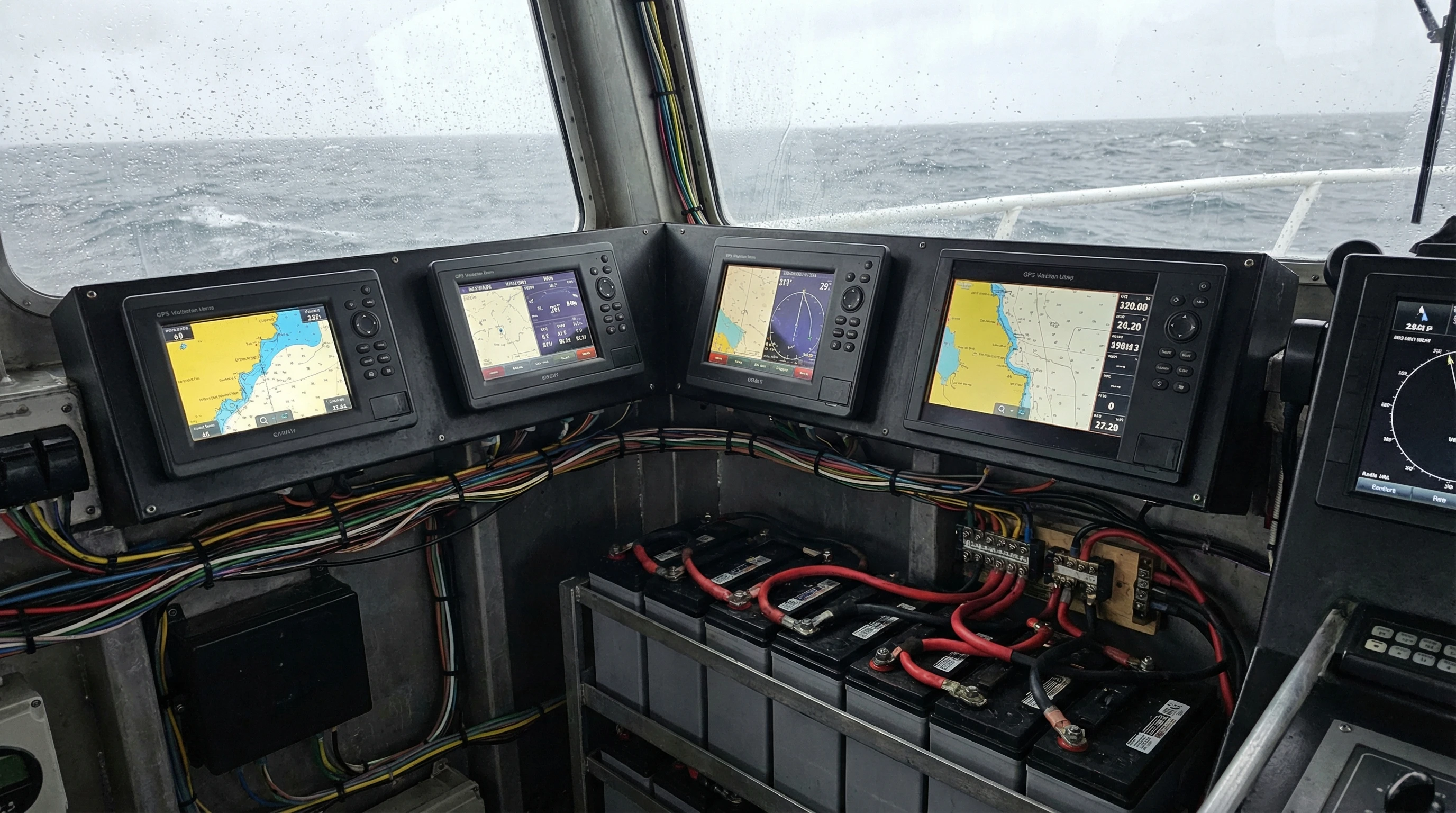
Why Reliable Power Matters for Marine GPS Systems
Anyone running a vessel relies heavily on GPS installations to plot safe courses, avoid hazards, and log critical data. When power drops out, the system either resets, provides wrong data, or shuts down completely, leaving crews with no digital navigation and having to fall back on paper charts. Even a brief hiccup during a storm or in high-traffic channels can have big consequences.
The impact of GPS outages goes far beyond the immediate loss of navigation. Ship tracking, communication with shore authorities, and automated reporting all depend on constant positioning data. According to the International Maritime Organization, disrupted GPS feeds were directly linked to several near misses and reportable incidents over the past decade (IMO). Learning how to recover quickly, and even better, setting up systems that prevent outages, is really important for safe marine operations.
Main Causes of Power Failure in Marine GPS Installation
Prevention really starts with knowing what trips up GPS systems during regular use. Some common causes I’ve run into include:
- Battery Bank Drainage: Heavy loads or lack of battery maintenance often lead to unpredictable drops in voltage, knocking out sensitive GPS gear.
- Circuit Breaker Trips: Saltwater corrosion, aging wiring, or accidental overloads can pop circuit breakers tied to navigation electronics.
- Improper Installation: Poorly terminated connections, mismatched power supplies, or subpar cables lead to resistance and voltage drops.
- Poor Power Backup Design: Some vessels rely on a single source, without any redundancy. If that lone power feed glitches, GPS and other nav tools go dark.
- Accidental Human Error: Crew unfamiliar with the panel layout sometimes shut down the wrong supply during maintenance, taking GPS out in the process.
Once you know the weak points, recovery and prevention become much more manageable for any vessel.
What Happens During a Marine GPS Outage
When power drops, the GPS system may not return to normal instantly, even if the power is restored quickly. Many devices must recalibrate or reacquire satellite signals, a process that can take several minutes (or more in poor weather).
In my experience, a typical GPS recovery timeline looks like this:
- Immediate Shutdown: The GPS screen goes blank, alarm systems may sound, and shipwide navigation reverts to backup methods.
- Power Restore: Panels are checked, circuits restored, or batteries swapped as necessary.
- System Boot/Restart: Once power is regular again, the GPS takes time to restart and relock on to the satellite array.
- Position Verification: Crews verify the new GPS position matches known landmarks or manual navigation for accuracy before resuming full reliance on the system.
The time lost during this recovery can range from five minutes to over half an hour, depending on the vessel, system age, and power infrastructure. Lessons from these incidents provide a framework for building a tougher GPS recovery protocol.
Key Lessons from Marine GPS Outages
Every power failure teaches something new. Here are the most important lessons I’ve drawn from repeated recovery events in marine GPS installations.
Assess and Optimize Power Backup Systems
Every vessel gets better GPS continuity by using a backup power supply dedicated to navigation electronics. I always recommend an uninterruptible power supply (UPS) or marine grade battery with an automatic switchover feature. This setup keeps GPS and radios running seamlessly during short-term outages or when switching main generators. Investing in the best GPS power backup system is one of the first things I advise for new installs or system upgrades.
Routine Maintenance Prevents GPS Outages
I’ve seen many failures result not from equipment flaws, but simply from neglected batteries, loose wires, or corroded connectors. Regular checks, cleaning contacts, and confirming tight, dry connections can save a lot of trouble during rough seas. Maintenance logs help spot problems before a true outage occurs.
Modernize Older GPS Installations
Older vessels with legacy GPS units wired into outdated panels tend to see more power-related glitches. Upgrading to newer GPS devices with internal battery backups or more efficient power draw pays off with shorter recovery times and fewer lockouts. Recent models have better firmware for quick restarts after power returns.
Pre-Recovery Protocols are Super Important
Power loss can cause stress for even the most seasoned crew. It helps to have clear, step-by-step protocols everyone understands. I keep a laminated checklist near the main navigation panel that walks crew through restoring power, restarting GPS devices, and checking accuracy before committing to the displayed position. Practicing these drills during calm conditions builds muscle memory, which can really help when time is tight and conditions are less favorable.
Physical Isolation from Big Power Loads
In mixed systems that run GPS on the same circuits as other electronics, like pumps, radar, or galley equipment, it’s easy for a single malfunction in a high draw device to pull down the whole circuit. Over time, I’ve built a habit of insisting that navigation electronics have their own isolated circuits and fusing. This separation makes troubleshooting a lot easier in emergencies and protects sensitive GPS hardware from external power issues.
Best Practices for GPS System Recovery
Getting through a GPS power failure smoothly comes down to prep work and making smart design choices ahead of time. Here are strategies I’ve found really helpful:
- Install a Dedicated UPS or Battery Backup: A small investment here prevents the stress of sudden GPS loss during crucial navigation.
- Labeling and Documenting Electrical Panels: Clear labeling prevents mistakes and speeds up recovery when things go wrong. I often take time to walk crew through panel layouts as part of onboarding.
- Redundancy and Dual GPS Feeds: Having a secondary, independently powered GPS gives another layer of security in case the main unit fails.
- Frequent System Testing: Simulating a power loss in controlled conditions reveals how fast recovery happens, and whether everything works as expected on restart.
- Up to date Recovery Procedures: System protocols and checklists should reflect the actual layout and behavior of the current gear. Whenever possible, tie these written steps to crew training.
Top Strategies for GPS Power Management
Keeping stable power for marine GPS systems isn’t just about big batteries or newer hardware; it’s also about ongoing habits and smart planning developed from spending time at sea.
Battery Health Monitoring
Many boat owners set and forget battery banks until there’s a failure. Using a dedicated battery monitor with voltage alarms adds an extra layer of protection. These straightforward digital devices warn you early when battery strength dips to risky levels, giving plenty of time to recharge or swap out equipment before GPS goes down. Regular battery inspection routines also help spot leaks, corrosion, or swelling in older batteries, aiding quick replacement.
Surge and Overload Protection
Unpredictable power surges from alternators, engine starts, or shore power hookups sometimes fry navigation hardware. Good marine GPS installation power recovery systems use surge protectors and well rated circuit breakers to keep electronics safe. I always recommend oversizing breakers slightly compared to the maximum draw, in line with manufacturer advice. This extra buffer helps absorb unexpected surges during busy equipment use, keeping critical systems online.
Smart Power Scheduling
During long passages, I try to schedule the largest loads away from critical navigation windows. For example, running heavy galley appliances or big pumps happens when crew can keep a closer eye on battery status, not during crowded harbor approaches or when visibility is low. Prioritizing navigation circuits during key times improves overall system reliability and ensures backup options are ready if something fails.
Improving Recovery Speed and Reliability
Even with backup systems, sometimes a serious fault knocks GPS offline unexpectedly. To get things up and running again as fast as possible, I focus on these areas:
- Record Each Outage and Response: Keeping a simple log of every power failure with notes on what worked or what delays were spotted lets you fine-tune your approach for next time. Reviewing these notes seasonally helps spot patterns and common causes, making prevention easier.
- Keep Firmware and Maps Updated: Outdated GPS units can take twice as long to restart or may not reacquire satellites properly. I schedule regular updates from shore, checking compatibility with onboard power arrangements. Updating charts and databases ensures that if the system does reboot, you’re working with the most reliable information.
- Plan for Manual Navigation: Sometimes, the best recovery is knowing when to switch to backup (even if it’s classic charts and compass). Practicing manual fixes makes those rare tough outages a lot less stressful, especially for less experienced crew members.
Assessing the Impact of GPS Failures on Operations
After an incident, it’s helpful to break down what the GPS outage actually meant for the trip and vessel operations. Impact assessments usually cover:
- Downtime Duration: How long did the vessel lack reliable navigation?
- Risk Exposure: Did the power loss happen near traffic lanes, reefs, or in poor weather, increasing danger to the crew and passengers?
- Crew Response: How quickly was the cause diagnosed and corrective action taken, and was there a need for additional guidance or changes in standard procedures?
- Passenger/Client Impact: Were schedules delayed, or did safety briefings need to be updated? Did clients or crew express concern that could be addressed better next time?
If you track these points after each event and update procedures accordingly, you’ll end up with a stronger set of guidelines for the future. The overall goal is for every recovery to be faster and less eventful than the last, with minimized disruption to operations and safety.

Common Questions about Marine GPS Recovery and Power Systems
I often get the same questions from clients or fellow boaters. Here are some clear answers based on practical experience:
Question: What’s the first thing I should do if my GPS shuts down at sea?
Answer: Immediately check the main power panel for tripped breakers or blown fuses linked to navigation. If everything looks normal, check battery voltage and try switching to backup power if available. If that fails, switch to manual navigation methods and call for assistance as needed.
Question: How do I prevent GPS power loss altogether?
Answer: Combine a dedicated backup battery or UPS with scheduled checks for loose terminals, corrosion, and failing batteries. Isolate navigation power from other high draw circuits for extra safety, and keep a detailed maintenance log. Training crew on these basics is the final piece of the prevention puzzle.
Question: Does adding a second GPS unit actually help?
Answer: Yes, if each unit has its own power supply. Redundant GPS units can be a lifesaver, especially when set up with split antennas and separate power feeds. Just be sure to test both systems regularly and keep documentation of the setup for easy troubleshooting.
Question: How often should I update my GPS firmware?
Answer: Check for updates twice a year or right before long voyages, especially if your vessel operates far from technical support. Keeping up to date fixes bugs, improves accuracy, and helps maintain quick recovery times when power issues occur.
Optimizing GPS Systems for Long-Term Reliability
Preventing outages and speeding up recovery both hinge on regular improvement of the whole GPS system. Here’s what I focus on:
- Ongoing Training: Encourage the crew to practice recovery protocols in safe conditions and involve them in power management updates. This keeps everyone prepared and builds confidence during emergencies.
- Periodic Hardware Review: Every few seasons, compare your current GPS gear, power supplies, and wiring against new tech or known failure patterns. Upgrading one weak piece—like an aging battery or corroded connector—can make a big difference.
- Network Integration: Tie GPS signal feeds into shipwide data networks, so position info is useful beyond the bridge, supporting smart alarms, voyage recording, or onboard automation. Integration saves time and adds another layer of redundancy when using remote displays or mobile apps for monitoring navigation.
- Partner with Marine Electricians: I get big benefits from a close relationship with a certified marine electrician who can provide regular checks, troubleshoot tricky outages, and recommend upgrades. Having expert support on call speeds up recovery in those rare worst-case scenarios.
Real-World Example of Successful Power Recovery
On a recent coastal survey job, our vessel suffered a power drop right as we approached a narrow harbor channel. The main GPS dropped out, but our isolated backup supply kept the secondary GPS online. Thanks to crew training, we executed the checklist immediately, restored power, and verified position accuracy within minutes. This minimized downtime and avoided schedule delays. Incorporating lessons from earlier incidents, such as having clearly labeled panels and double-checking backup battery health, made a real difference that day. It’s proof that you don’t need to wait until a true crisis to build resilience; steady, small improvements deliver real results when you need them most.
Final Thoughts for Anyone Working with Marine GPS Installations
Learning from every power failure recovery makes marine GPS installations better year after year. By building in backup systems, conducting frequent checks, and staying current with recovery protocols, I’ve seen firsthand how to reduce both the frequency and impact of GPS outages. For anyone upgrading or maintaining their vessel, focusing on marine GPS installation power recovery delivers real peace of mind when things get rough at sea, and can save expenses and headaches in the long run.
About The Author





I agree with reliable power needing to be taken into account for safe travels. It’s one of many others pre checks that have to be done for best results. It’s the same concept as putting too many chords into a power outlet, too many added eventually leads to a burnout! Are there any notable stories that support the importance of emphasizing proper power usage with these Marine GPS devices?
Absolutely, reliable power is critical for safe travel, especially out on the water where you don’t have the luxury of quickly plugging into another source if something fails. And you’re right, just like overloading an outlet on land can lead to a burnout, overloading or mismanaging power systems on a boat can compromise essential equipment like GPS, radios, and navigation lights.
There are real world examples that highlight this:
GPS and navigation failures have been linked to poor power management, for instance, cruisers in remote areas relying on GPS for extended periods have lost positioning when backup batteries weren’t maintained or power wasn’t properly balanced between systems.
Charter boats and commercial vessels sometimes experience unexpected blackouts when shore power connections aren’t correctly configured, causing critical electronics to reboot or fail mid-trip.
Even coast guard reports emphasize that most electronic failures, including GPS outages, stem from electrical issues like corroded connectors, weak batteries, and inadequate charging systems.
All of these reinforce the idea that checking your electrical system, batteries, wiring, chargers, and load distribution, isn’t an optional step. It’s something that should be on every pre-departure checklist, just like fuel, weather checks, and safety gear.
Proper power use isn’t just about avoiding “too many cords”, it’s about making sure every device you rely on has a stable, dependable source so you’re never left without critical navigation and communication when you need them most.