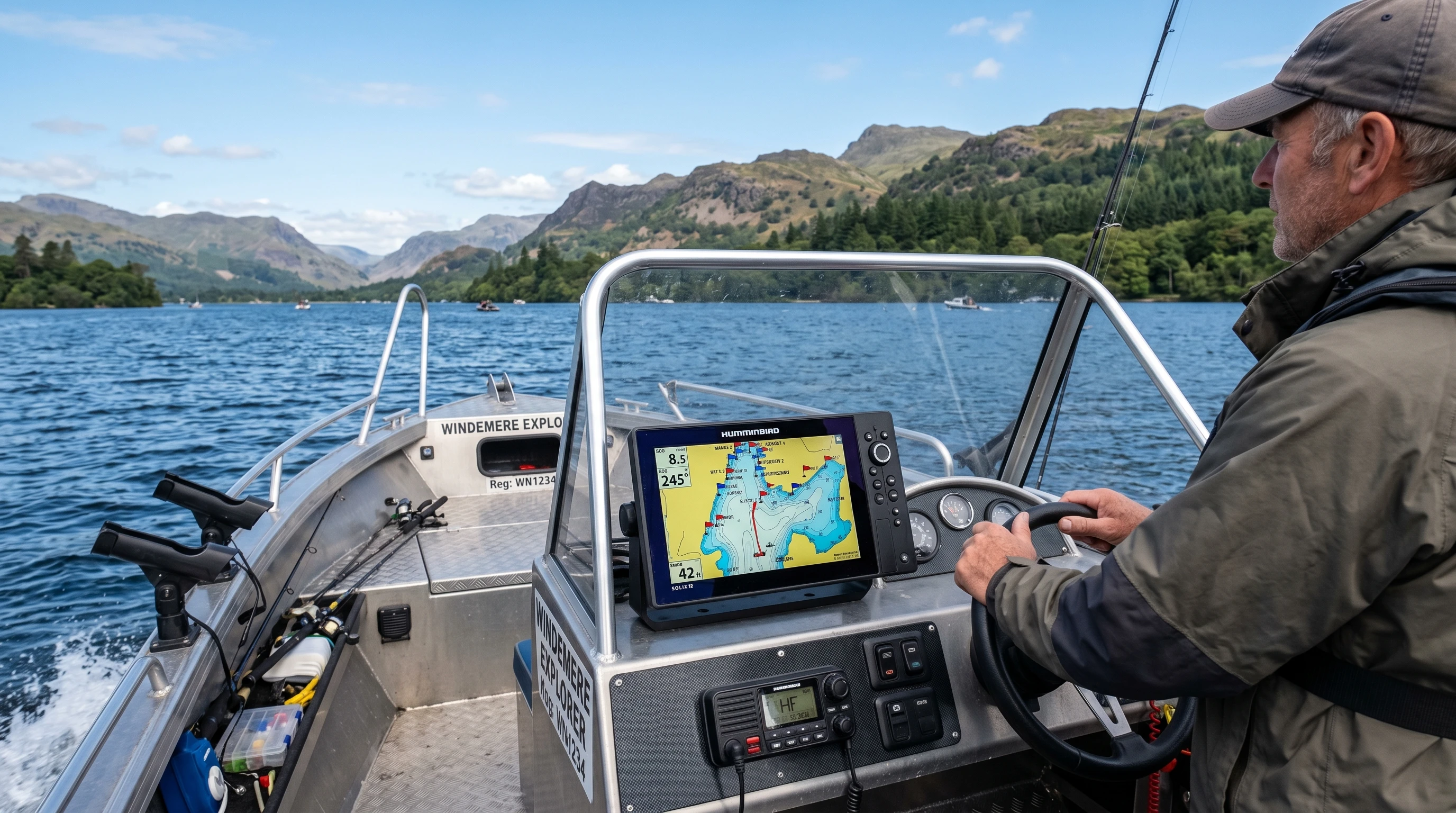
Using GPS for fishing has changed the way I plan my trips and find locations where fish are likely to bite. These days, learning how to use GPS for fishing gives me a real advantage, letting me make better choices about where to go, how to get there, and how to return to those spots in the future. GPS fishing apps and devices keep getting better, making it much easier to stumble upon, log, and revisit productive fishing areas. Here’s how I make GPS technology a routine part of my fishing days.
Why GPS Is Changing the Way I Fish
Finding a great fishing spot used to mean relying mainly on local advice or hours of trial and error. Now, GPS fishing spot locator devices and GPS fishing apps help me map out both familiar and new waters, letting me track where I’ve had success and set waypoints that make future trips easier. GPS mapping for fishing spots is really important because fish habitats can switch up, and the ability to document details with precision gives me more productive days on the water.
The first time I used GPS technology for fishing, I realized just how much more confident I felt. I could focus on strategy rather than worry about getting lost or missing good locations. GPS-enabled fish finders, smartwatches, and smartphone apps let me note underwater structures, temperature changes, and drop-offs. By keeping digital records, I save time and often see better results from each trip.
How GPS Works for Fishing Spots
GPS stands for Global Positioning System. It works by using satellites to pinpoint your location almost anywhere on Earth. When fishing, GPS devices track your exact position, which means you can mark, store, and find locations easily. This information appears on a screen, usually as a map with waypoints you created.
GPS fishing spot locator technology does a lot more than just tell me where I am. It lets me program waypoints: specific markers where I found fish or noticed underwater features like stumps, weedbeds, or rockpiles. Returning to these points is much easier with GPS, and I can update my records as water conditions or fishing patterns change. This process makes it much simpler to answer the question of how to find fishing spots with GPS for both freshwater and saltwater angling.
Types of GPS Devices and Apps for Fishing
There are several types of GPS gear I might pick for a day on the water. Each has its own strengths, and my choice depends on the type of fishing I plan to do and my level of experience.
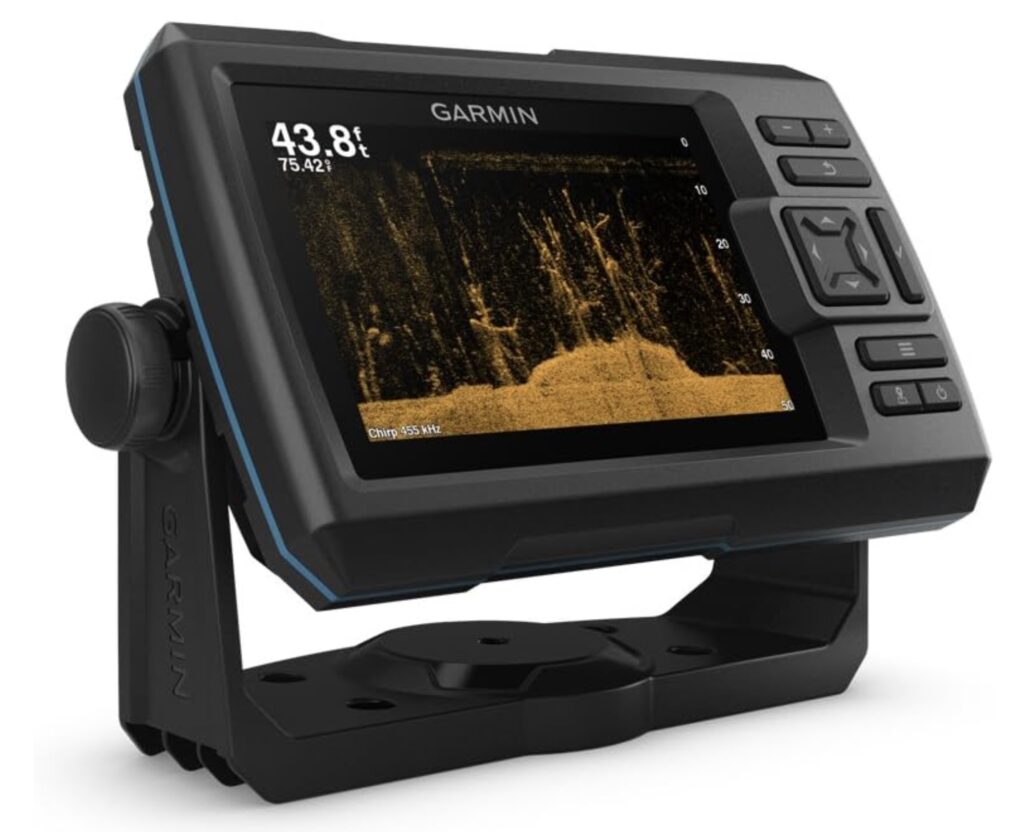
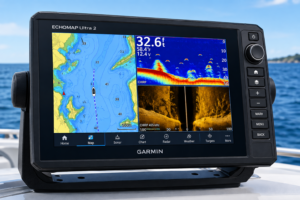
- GPS Chartplotters: These mount on boats and combine GPS with digital charts, helping me see detailed maps, depth contours, hazards, and set waypoints. Many pair with sonar fish finders for extra detail.
- Handheld GPS Units: These portable units are easy to carry and work well when bank fishing or fishing in remote spots where boats can’t go.
- GPS Fishing Apps: Smartphone apps use built-in GPS and downloadable maps, making it convenient to mark spots, track routes, and share info with others. Some apps even crowdsource fishing reports or let me log catches and conditions.
- Wearable GPS Devices: Modern fishing watches can show GPS maps, track movement, and mark waypoints right from my wrist.
The latest GPS fishing technology in 2026 continues to focus on integration, combining depth data, water temperature, mapping layers, and real-time community updates with the usual GPS positioning. Many new devices sync with my phone, computer, or cloud, letting me access my data anywhere.
Step-by-Step Guide: How I Use GPS to Track Down Productive Fishing Spots
Knowing how to use GPS for fishing takes a bit of setup, but it soon becomes routine. Here’s my process for using GPS to maximize my results:
- Plan With Maps and Data: Before heading out, I review topographic, hydrographic, or fishing maps in my GPS unit or mobile app. I check for depth changes, underwater structures, and areas known for fish activity.
- Mark and Name Waypoints: When I find spots where fish are active or see promising terrain (like drop-offs or submerged logs), I set waypoints. Naming these, such as “spring pike flat” or “deep bass shelf,” keeps details organized.
- Record Environmental Details: Adding notes about water clarity, temperature, weather, and the date helps build a useful log over time. Most GPS fishing apps let me attach these details to individual waypoints.
- Review and Adjust: After each trip, I check over my saved routes and hot spots. If a location doesn’t pan out after a few tries, I might remove it or mark it as low priority. This keeps my digital map clean and focused.
- Share (and Compare) Data: Some platforms let me share data with friends or fishing communities. Trading good spots or techniques helps everyone have more productive outings.
Repeating these steps regularly means I keep refining my personal fishing map, which pays off across multiple seasons.
Common Challenges When Relying on GPS for Fishing
While GPS has helped me become a more efficient angler, some hurdles require paying attention. Devices depend on satellite signals and batteries. Weather, heavy tree cover, or high cliffs can sometimes make it harder to get a good connection. Water conditions or regulations also change, so my saved spots might not always be accessible or legal to fish.
- Battery Life: Bringing backup batteries or portable chargers makes long fishing days go more smoothly. Cold weather can zap batteries faster, so it’s handy to keep charging options nearby.
- Map Accuracy: Some mapping data can be outdated. I double-check that my GPS sources are up to date, especially if I spot changes in water levels or shoreline erosion.
- Data Loss: I make a habit of syncing GPS fishing spot locator data to my phone or computer to avoid losing valuable waypoints if a device fails.
- Legal Regulations: Not every marked spot will stay open each season. Local fishing rules or conservation areas can close parts of a lake or river. Checking updates in my GPS fishing apps or with local authorities is a good step.
Battery Life
Modern GPS units and smartphones are more efficient, but running maps and recording sessions can still drain a lot of charge. Carrying extra batteries or adjusting screen brightness helps stretch the time between charges.
Map Accuracy
Sometimes my GPS data doesn’t exactly match what I see on the water. I take note if shorelines look different or if a map feature doesn’t line up with reality. Updating device software and downloading the latest map versions reduces surprises.
Data Loss
I once lost months of saved waypoints when a device crashed during an update. Now, I always back up my logs and waypoints to the cloud or to a safe location.
Legal Regulations
Protected areas, seasonal closures, or catch limits can mean a hot spot is off-limits during certain times. I rely on two sources: my state’s wildlife website and updates from my GPS fishing app, for the latest information before I set out.
Working with these challenges keeps my fishing routine safe and reliable. Over time, I’ve built habits that help me stay prepared and flexible.
Advanced GPS Tips That Make a Real Difference
Once I’m comfortable with my gear, I add some advanced strategies to get even more from GPS fishing technology:
Layering Maps and Sonar: Many GPS units let me blend sonar data with base maps, highlighting fish-holding structures and providing real-time feedback on fish locations.
Tracking Movements and Drifts: Recording my boat’s path reveals patterns where I consistently hook fish, such as following contour lines or weedbeds. Reviewing these tracks lets me easily repeat successful drifts in the future.
Customizing Waypoints: Switching up waypoint icons and colors helps me quickly spot the difference between catch sites, hazards, and navigation aids on my map.
Automating Maps: Some advanced fishing apps use artificial intelligence to suggest good spots based on user data and past catches. While the tools do some work for me, I always check these predictions against my own experience and local knowledge.
Sharing and Comparing: Swapping GPS data or exporting maps lets me learn from others and share tips about the best tactics for various lakes or rivers.
Applying these ideas builds a digital fishing diary packed with tips I can use for returns, tournaments, and different seasons—meaning more success and less guesswork over time.
Real-World Success Stories Using GPS Mapping for Fishing
In the real world, using GPS mapping for fishing spots means I cover more ground and spend less time guessing. When I check out a new lake, I mark where I see bait schools, sharp dropoffs, or submerged timber. If those areas produce fish, I save the coordinates for future trips. Coming back to the same waypoints lets me adjust tactics and make notes of seasonal changes.
- Lake Fishing: Finding underwater humps and sailing straight to them yields better catches, especially for species like walleye and bass. I often log details about the time of year and lure types that worked best.
- River Fishing: Using GPS technology to mark eddies, current seams, and submerged hazards helps me fish more effectively. I save both good spots and danger zones, making each trip safer and more productive.
- Coastal Fishing: On saltwater trips, I mark reefs, drop-offs, shellbeds, and schools of bait. High-resolution nautical charts on my GPS chartplotter make it easy to follow safe routes and find where game fish gather.
Season after season, my saved waypoints gradually form a network of hot spots, growing as I keep updating logs and maps based on each new experience.
Answers to Common Questions About GPS Fishing Spot Locators
Plenty of new users ask about best practices using GPS for fishing. Based on my experience, here’s what I’d say:
Question: What are some top GPS fishing apps or devices?
Answer: I really like Navionics, Fishbrain, and Anglr for apps, and both Lowrance and Garmin for hardware. Each one makes tracking, saving, and sharing spots super easy, but you might try a couple to see which you like best.
Question: How can I use GPS to stay out of trouble on the water?
Answer: Besides marking fishing spots, I use GPS to save boat ramps, docks, and hazard areas. I review my map before heading out at high speed or in low visibility, to avoid submerged obstacles and shallow areas.
Question: Is it hard to set up a GPS fishing spot locator for the first time?
Answer: Most of today’s units and apps give step-by-step instructions. It’s smart to check the instructions and do a few practice runs on a local pond before heading into bigger water.
Today’s Gear Helps Me Fish Smarter, Not Harder
Upgrading to the latest GPS fishing tech in 2026 means my trips are planned out and more productive. Thanks to steady improvements in accuracy, mapping options, and data backup, it’s easier than ever to put together a personal library of great fishing spots. Every season, my fishing diary grows, outlining patterns in where and how I catch fish. I keep finding new features in different devices and apps, which motivates me to keep trying new brands and tools.
Whether I’m exploring new water or working familiar spots, I depend on GPS mapping paired with flexible plans. This mix keeps fishing fun, organized, and consistently rewarding, building up a logbook full of locations worth returning to year after year.
This article was created with AI assistance and reviewed by a human editor.
About The Author



I enjoyed how this post keeps GPS practical rather than sounding complicated, especially its focus on waypoints, backups, and reviewing patterns after each trip. The idea of building a personal fishing diary over time really stands out because that is where GPS seems to become more than a navigation tool and becomes a real strategic aid.
I also liked the reminder that saved spots are only part of the picture, since conditions, regulations, and map accuracy can change from trip to trip. Have you found that anglers get better long-term results from using a dedicated chartplotter, or do most casual fishers do just fine sticking with a solid phone app setup?
Glad the practical angle landed well — that’s exactly the goal, since GPS advice that ignores real fishing conditions tends to fall apart fast on the water.
On your chartplotter vs. phone app question: it really splits along how seriously someone fishes and how harsh their conditions are. Dedicated chartplotters earn their keep with anglers who fish offshore, in poor signal areas, or in rough weather, with better screen visibility in sunlight, sonar integration, and no worry about battery drain or a dropped phone overboard. They also tend to hold detailed bathymetric data more reliably over time.
That said, most casual and even fairly serious inshore or freshwater anglers do just fine with a solid phone app setup, especially paired with a waterproof case and a backup power bank. The apps have gotten genuinely good at waypoint marking, route history, and even crowd-sourced hotspot data that a standalone chartplotter won’t have.
My honest take: the diary habit you mentioned matters more than the hardware. An angler who consistently logs conditions and patterns on a phone app will usually out-fish someone with a top-tier chartplotter who never reviews their own data.
Really appreciate you laying that out; you’ve basically nailed the tradeoff better than I did in the original piece. The offshore/rough-conditions case for a dedicated chartplotter is the one I probably underweighted: when you’re out of signal range, or the screen needs to stay readable in direct sun with wet hands fumbling at it, that’s not a “nice to have”; it’s the difference between fishing and troubleshooting.
And you’re right that the phone app crowd-sourced data is underrated. A chartplotter’s bathymetric charts are only as good as their last update cycle, but a good app is getting fresh input from everyone who fished that spot last weekend.
Your last point is the one I’d want people to walk away with, though. Gear upgrades are fun to research and easy to buy your way into; building the habit of actually reviewing your own logs is unglamorous, and nobody does it by accident. I’ve seen it plenty of times — the guy with the $3k chartplotter who fishes on vibes versus the guy with a five-dollar waterproof notebook who remembers that the bite always turns on 45 minutes before the tide shifts. Worth its own post, maybe.