Reliable navigation is something I count on whether I’m heading across town, exploring remote areas, or dealing with unpredictable weather. GPS systems are now part of my everyday life, but sometimes even they struggle, especially when signals get weak or interference kicks in.
That’s where radar comes in, working alongside GPS to help boost navigation accuracy and confidence. By combining both technologies, I can get more precise positioning and handle tricky environments much more smoothly. Let me break down how radar GPS integration works, why it’s helpful, and what you should know if you’re thinking about using radar with your GPS setup.
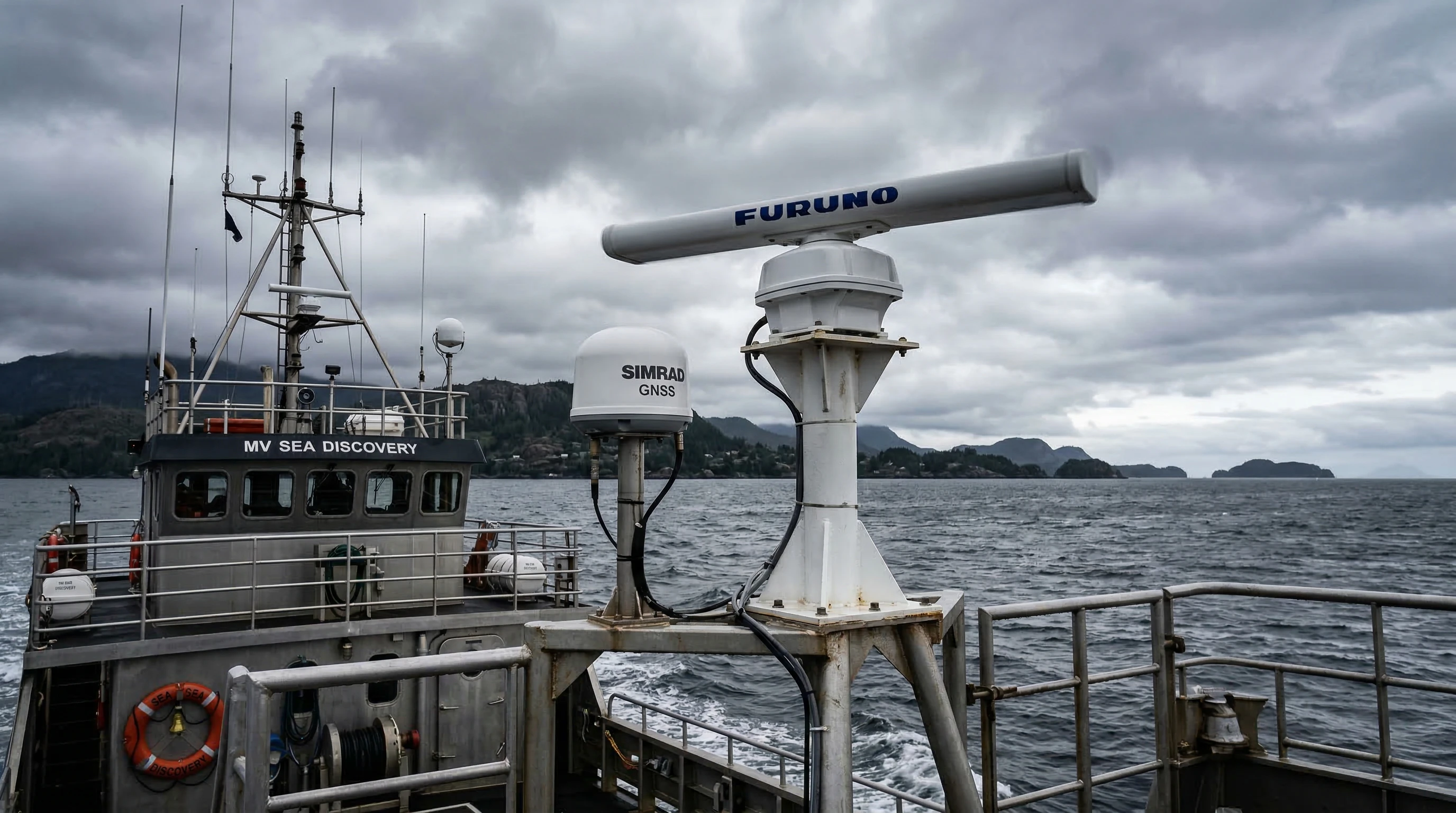
Understanding GPS and Its Limitations
GPS stands for Global Positioning System and is made up of a network of satellites that send location data back to receivers on Earth. GPS does a great job of finding where I am most of the time. All I need to do is switch on my device, and after a quick connection with a few satellites, I have my location. However, I’ve noticed that in urban canyons, tunnels, inside buildings, or anywhere the sky is heavily blocked, my GPS can lose accuracy very quickly. This isn’t just an inconvenience. When timing and location really matter, even a few meters’ error can have a big impact.
Other common issues include deliberate or accidental signal jamming, bad weather, and reflective signal paths, which can cause my GPS to show the wrong location entirely. Recognizing these weak spots helps me understand where adding radar can make a real difference. Additionally, it’s important to remember that GPS performance can vary between devices, and updating your GPS firmware is often necessary to maintain the most accurate readings. Being aware of these variables encourages me to look at ways to pump up my navigation reliability, especially for critical tasks like search and rescue or during competitive events.How Radar Technology Works
Radar, which stands for Radio Detection and Ranging, is a system that uses radio waves to detect and track objects, measure distances, and get precise speed readings. I’ve seen radar mainly in airplanes, ships, and some vehicles where safety and accuracy are priorities. The core of radar is simple: the system sends out a radio signal, it bounces off objects, and then returns to the radar, where it gets processed into distance and direction information.
This technology doesn’t need satellites or clear skies to operate, so it continues to provide data even during storms, in canyons, or underground. When I add radar to GPS, I create a more resilient navigation setup, especially in areas where GPS alone can’t keep up. Modern radar systems are not just for large vehicles anymore; their new compact designs let me set them up on smaller vessels or even personal hiking gear, making radar accessible to a much wider range of outdoor enthusiasts and professionals.
Radar GPS Integration, How the Two Systems Work Together
Radar and GPS work differently but can share information to deliver more accurate location and navigation data. Radar GPS integration merges the satellite-based calculations of GPS with the close range, highly accurate distance and obstacle detection that radar offers.
This combination can be found in various applications, from commercial ships and aircraft to modern cars and even some highend outdoor gear. For example, in navigation at sea, radar continues to show my position even if clouds or atmospheric interference block GPS signals. In autonomous vehicles, radar helps spot obstacles or other cars, while GPS handles long-range routing. When the GPS signal drops, radar steps in to help keep my position updated.
- Redundancy: By having both systems, my risk of “losing” location info drops a lot, which gives safety and reliability a boost.
- Improved Accuracy: Radar can fine-tune my GPS position, catching errors caused by signal delays or atmospheric disruptions.
- Obstacle Detection: Radar not only helps with my own location but also detects hazards, infrastructure, or moving objects around me.
- Smooth Operation: The system can switch between GPS and radar inputs, using whichever is most accurate at the time.
How Radar Improves GPS Accuracy in Real Scenarios
In my experience, radar shines brightest where GPS can stumble. A good example is urban driving. Tall buildings often block or reflect GPS signals, leaving my position “floating” at the wrong place on the map. The vehicle’s radar system, however, can detect nearby cars, lampposts, and the road edge, using this information to correct my position through advanced mapping algorithms. With radar and GPS together, my on-screen location updates more smoothly, reflecting where I actually am.
Another example comes from boating or flying. Stormy weather might interfere with GPS, but ship and aircraft radars remain active, charting obstacles and shorelines, which helps keep me on course. Radar fills in when satellite data isn’t reliable, giving me more confidence to proceed safely. Even in hiking or remote expeditions where GPS reception fades, using radar to map major terrain features gives an extra layer of security that GPS alone cannot provide.
Types of Advanced GPS Radar Systems
I’ve come across several setups for radar GPS integration, each with its own area of focus:
- Automotive: Many new cars now offer adaptive cruise control or lanekeeping features, relying on radar for nearby sensing and GPS for regional navigation. The two blend to guide selfdriving or driverassist systems.
- Marine: Ships large and small use radar for collision avoidance and local mapping, teamed with GPS to track long rides and pinpoint exact locations in harbors or at sea.
- Aviation: I’ve seen planes that can keep their position during a GPS outage by using radar altimeters and weather radars, helping with safe landings and navigation through complicated conditions.
- Surveying & Mapping: Some advanced field instruments blend GPS accuracy with radarbased ground and obstacle detection, allowing for detailed surveys even when GPS alone wouldn’t work.
Getting Started: Steps to Combine Radar Technology with GPS
Setting up a system that uses both radar and GPS takes some planning. Here’s how I usually get things rolling:
- Choose the Right Equipment: Look for devices designed for radar GPS integration. This typically involves an existing GPS unit plus a compatible radar module. Make sure both can communicate, either directly or through a computer with software that blends their data.
- Know the Features: Check what each part can do by itself, and then check the menu options or software tools that allow the two to work together. Most systems provide guides or wizards to help set up integration. Some guides come with handy troubleshooting tips as well, so don’t skip reading them.
- Install and Set Up: Mount the radar sensor securely and ensure your GPS antenna gets a clear view of the sky. Follow wiring and setup instructions closely. Errors here can make either signal lose accuracy. Many setups only need a few menu changes to allow data sharing, but take your time to do it right.
- Test and Calibrate: Drive, sail, or walk through several test locations, including ones known to mess with GPS accuracy like dense buildings, forests, or tunnels. Note if the radar helps and check the maps for position errors. Adjust your system as needed using builtin calibration routines or manual offsets.
- Regular Updates: Keep firmware and software up to date. Vendors often release tweaks that improve integration, fix bugs, and bring new features.
When I first set up a combined system, I always doublecheck my connections and do trial runs in various environments. This way, I spot any weaknesses before relying on it for serious outdoor adventures or professional use.
Things to Know Before Relying on Radar and GPS Together
As with all tech, there are a few points to keep in mind; some are just practical, others affect what you can actually do in the field.
- Cost: Integrated radar GPS systems cost more than unitary solutions. Knowing what features you need helps avoid overpaying. Sometimes going for a midrange system works best for comfort and performance.
- Complexity: More hardware and software means more settings and a steeper learning curve at first. Don’t hesitate to ask others about their setups and share your own experience so everyone can pick up tips.
- Power Usage: Radar sensors need extra power. Make sure your setup can keep them running, especially on long trips or remote expeditions.
- Environment: Radar can sometimes pick up false echoes from rain, birds, or thick fog, which may confuse location corrections. Better quality radar leads to fewer issues, but being aware helps avoid confusion on the go.
- Legal Compliance: Some countries have rules about radar use, especially with highpowered units; check local regulations before switching on any system.
Power and Size Considerations
If I plan to carry the gear, weight and size matter. Handheld or portable radar GPS devices exist, mostly aimed at surveyors and campers. These may have less range but are easier to use offgrid. For personal adventures, lighter equipment often wins out, even if it means a shorter radar range.
Data Management
Combining and storing data from radar and GPS can fill up memory cards or create files that only certain software can read. Proper backup and familiarity with the tools I use make reviewing and sharing trip logs easier later on. It also pays to check compatibility with mapping services and plan for cloud backups, losing data after a big adventure is definitely frustrating. Creating regular data backups, both offline and online, is a habit that has saved me more than once.
Latest Radar GPS Innovations: What’s New Right Now
Manufacturers keep rolling out new ways for radar and GPS to work together. Recent radar GPS innovations include:
- Sensor Fusion Software: Modern systems use artificial intelligence or machine learning to blend radar and GPS data more intelligently, reducing errors and supporting realtime decision-making. These smart integrations are especially helpful for autonomous vehicles and complex logistics.
- Miniaturized Sensors: Advances in manufacturing mean I can now find smaller, lighter radar modules that fit onto ATVs, drones, or even backpacks.
- Connectivity: Newer integration allows radar GPS units to send live location and hazard updates over cellular networks, so everyone on my team stays synced and informed, even across distances.
- Self-Calibrating Devices: Some new systems adjust automatically based on the environment or detected errors, so I spend less time troubleshooting and more time moving.
Future innovations are increasingly incorporating environmental awareness. Some models can automatically adjust radar frequency to reduce interference from fog or rain, while others use community reporting to share hazard locations in real time. Following these changes helps me stay a step ahead and ready for new challenges.
Where I Use Integrated GPS and Radar Systems Most Effectively
Bringing radar and GPS together works really well in certain settings. Here are a few where I’ve found it makes a difference:
- Off-Road and Adventure Travel: When GPS alone starts getting lost, radar picks up terrain changes and hazards, helping me stay safe.
- Maritime Navigation: Large tankers, fishing boats, and vessels in port need both crowd mapping and reliable positioning. Radar GPS integration supports both safety and compliance with marine rules.
- Aviation: In busy or low-visibility airspace, pilots depend on both systems. Having both radar and GPS is crucial during takeoffs and landings at airports cluttered with buildings or other obstacles. This layered system has saved many from potentially dangerous confusion in complex environments.
- Public Safety and Search & Rescue: Emergency teams rely on uninterrupted position updates in places with unreliable satellite coverage, such as dense forests or mountainous regions.
- Surveying and Mapping: High-precision mapping often needs both technologies to build accurate digital models of urban infrastructure or wild terrain.
In addition, combining radar and GPS boosts smart city projects, where real-time updates on traffic and obstacle locations can make streets safer for everyone. For everyday travelers, this technology also means more accurate directions, less waiting for recalculation, and more time moving.
Advanced Tips and Best Practices for Radar GPS Integration
Once I get the basics down, there are ways to improve the performance and reliability of my setup. Here’s what I focus on:
Learn Your Device’s Settings: Spend time experimenting with sensitivity, filters, and mapping layers. Adjusting radar range and alert zones helps balance accuracy against false alarms. Some systems let you create personalized map layouts or share settings across multiple devices for even smoother operation.
Regularly Recalibrate: Environments change. Moving from urban streets to open water, for example, means recalibrating sensors to suit new surroundings. I set reminders to check calibration every few outings, especially after software updates or rough trips.
Review Data After Each Trip: Looking at logs where integration worked well, or where my position “jumped,” gives me clues on how to tweak settings next time. Keeping a small notebook or sharing results online makes future setup easier for myself and others.
Share Results with Others: Posting lessons online or talking with local experts helps me avoid errors and pick up practical hacks for real-world conditions. I often join community forums or meetups to trade firsthand reviews and troubleshooting strategies.
Stay Aware of New Features: I keep an eye on firmware updates and software upgrades that might add new integrations or optimize how my two systems work together. Quick updates can fix hidden issues and bring new tools that make every ride smoother.
Keep Backup Power: I always carry a spare battery or a portable power bank, especially for long excursions where the radar’s power draw can catch me off guard.
The Future of Radar GPS Technology
New developments in radar GPS technology are rolling out, and I expect a lot to change in the next few years. Here’s where I see things heading:
- Wider Consumer Availability: What used to be limited to planes and ships is now appearing on smartphones, in hiking gear, and in cars. More of us are experiencing these improvements firsthand.
- Smarter Automation: Automated transport, such as drones and self-driving vehicles, will depend on tighter integration of radar and GPS for reliability and legal compliance.
- Greater Resilience: With improving algorithms and sensors, systems can handle more signal problems, weather issues, or deliberate jamming, keeping users much safer.
- Smaller Devices: Miniaturization continues, and I expect pocket-sized systems for outdoor navigation or personal safety in the future.
- Open Data Sources: Integration with public and private mapping data could allow my radar and GPS unit to “see” shared obstacles, hazards, or even temporary construction zones in real time.
The constant improvements remind me to keep my tech up to date. I also see a strong focus on user-friendly interfaces and seamless updates so that even casual users benefit. As mapping and artificial intelligence technology spread like wildfire, soon more businesses and individuals will rely on these advanced combination systems for daily safety, planning, and exploration. Whether it’s for personal safety, scientific research, or adventure, radar GPS integration looks set to become a part of everyday tools.
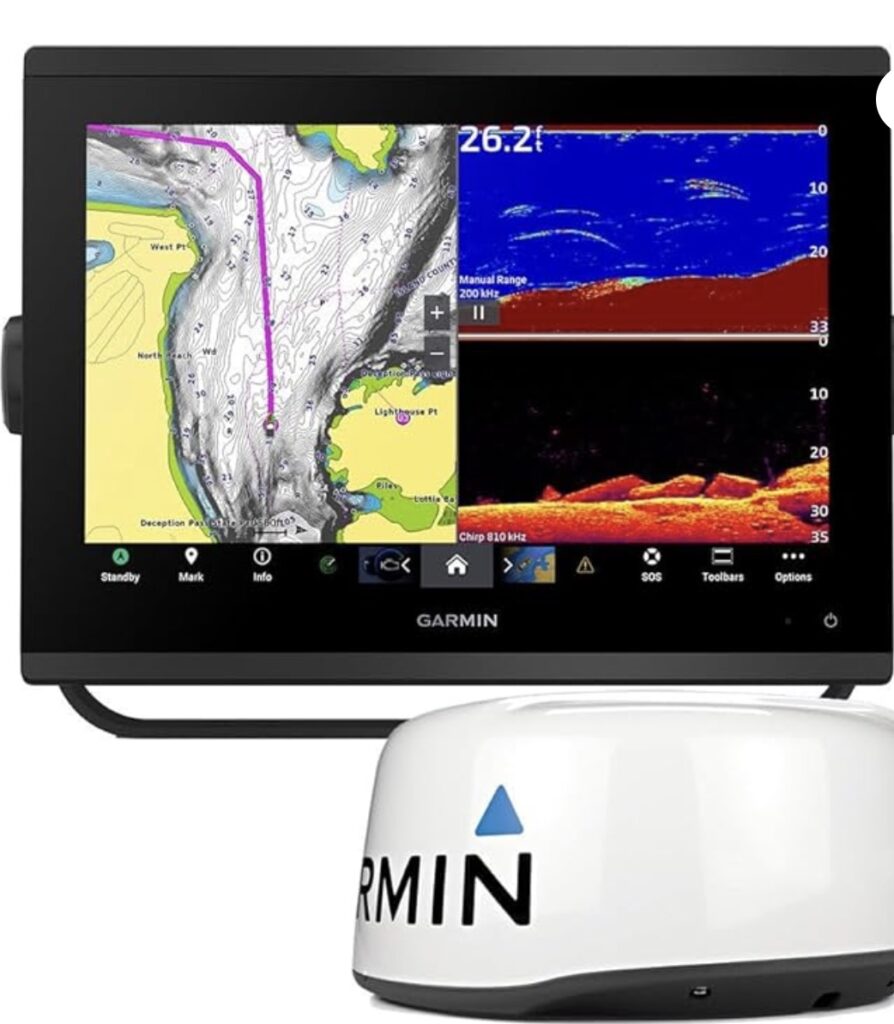
Frequently Asked Questions
I get asked a lot about using radar alongside GPS. Here are a few of the most popular ones, along with my direct answers.
Question: Can I add radar to my existing GPS setup?
Answer: In many cases, yes. Some GPS devices have expansion options or compatible radar modules. I suggest reviewing manufacturer documentation or checking in with customer support for a compatibility list.
Question: How much does radar GPS integration cost?
Answer: Costs vary, depending on the level of precision needed and your intended use. Automotive or smartphone add-ons might be affordable, while high-end marine or aviation solutions come at a premium.
Question: Will radar work everywhere my GPS does?
Answer: Radar can work almost anywhere, but its effectiveness depends on environmental factors, power supply, and how well the radar sensor is installed.
Question: Are there any legal restrictions on using radar GPS technology?
Answer: Some types of radar, especially high-powered or military grade sensors, may face restrictions or licensing rules. Always check local guidelines to avoid unintentional law breaking.
Wrapping Up
Bringing radar and GPS together has made navigation more reliable than ever for me. Whether I am driving in busy cities, flying, boating, or heading out into the wild, I appreciate the stability and security that comes from mixing both technologies. Staying aware of setup, ongoing adjustments, and the latest advances helps me make the most of radar and GPS integration every time. By adopting a careful, open-minded, and proactive approach, these combined systems open up greater possibilities for adventures, jobs, and daily routines alike.
About The Author