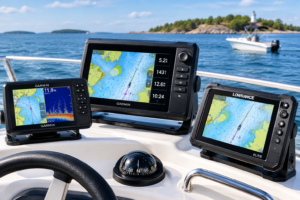
Using GPS tide tracking technology has made it much easier for me to gather reliable data on ocean conditions. If you’re curious about tides and ocean currents, GPS gives clear and accurate tracking that’s a real upgrade over old-school manual methods. This has especially helped with boating, fishing, science, and even planning a safe day at the beach. I’ve seen how GPS cuts out a lot of guesswork and lets me make smarter decisions on the water.
Why Track Tides and Currents with GPS?
Ocean tides and currents have a big impact on how I move around on the water, when I go fishing, and how safe I feel in coastal areas. Tides are the daily rise and fall of sea levels, while currents are the steady flow of water in certain directions. Both can change quickly depending on location, time, and weather. Years ago, people tracked tides by checking tide charts and guessing based on the moon or landmarks. Now, GPS tide-tracking technology provides live, location-specific data, so I can know exactly where the water is going and how fast.
Accurate data is really important for safe boating, improving fishing results, studying marine environments, and planning activities around harbors, rivers, and the coast. I’ve also noticed how helpful live GPS data can be for emergency response teams, coastal engineers, and shipping operators who need to manage changing ocean conditions. Overall, GPS tide tracking technology has made it much easier for everyone, not just experts, to understand what’s happening on the water.
How GPS Tide Tracking Technology Works
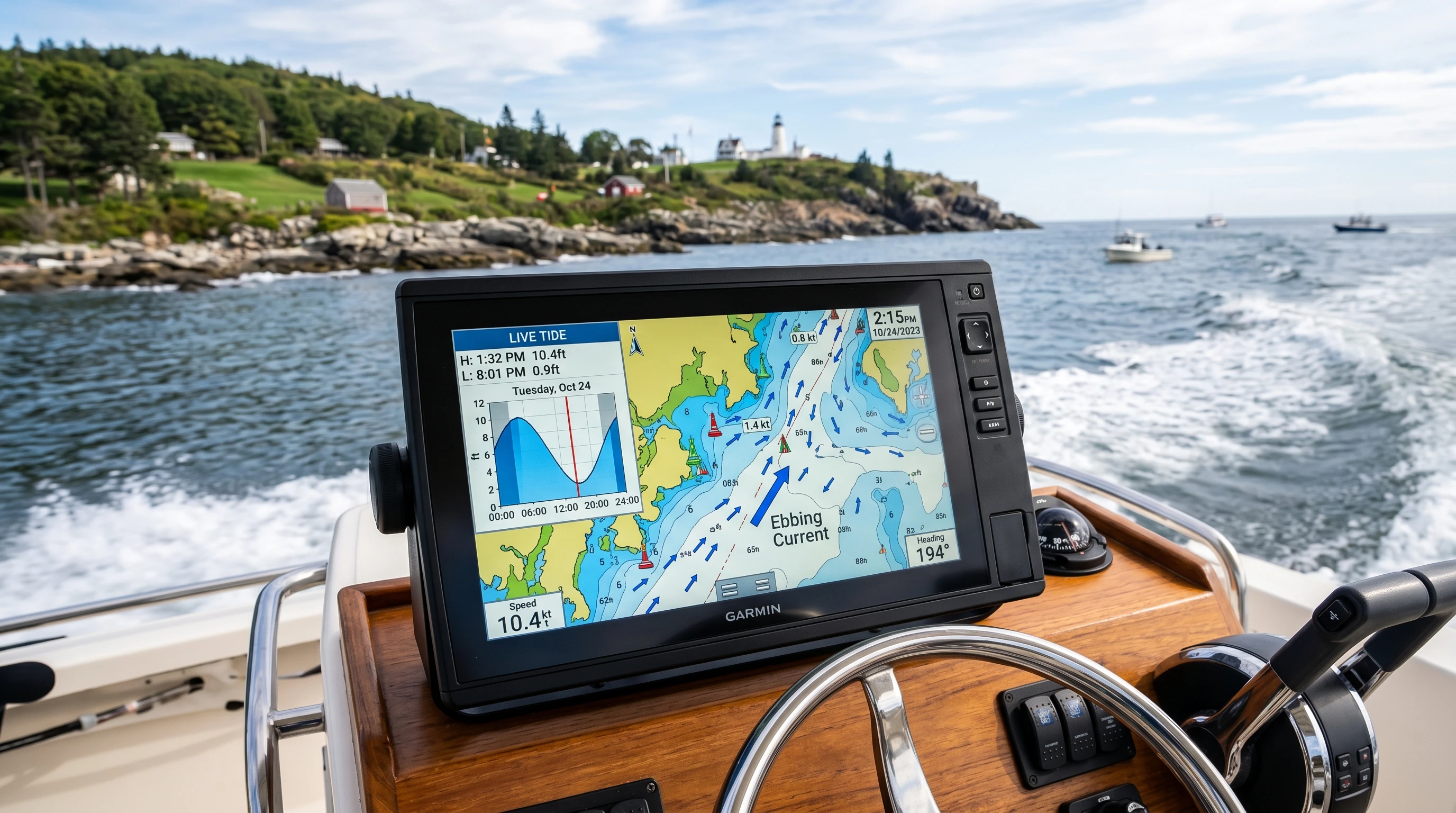
When I first started learning about how to track tides with GPS, I realized that it’s pretty simple in practice but depends on a few pieces working together. GPS stands for Global Positioning System. Special GPS receivers or marine devices pick up signals from satellites and combine them with water-level sensors or motion detectors. The result is a set of data showing my precise position, the current water level, and the direction and speed of nearby currents.
Many GPS devices can display this data as charts, tide graphs, and live maps. Some pair with my phone or tablet, so I can keep track while on the move. The accuracy means that I’m less likely to get caught off guard by sudden tidal changes or shifting water patterns. Tracking is updated in real time, and some devices share my location and ocean data automatically with others for safety or research benefits.
Best GPS Devices for Tides and Currents
When I’m picking the best GPS devices for tides and currents, several brands and models stand out for their reliability and easy use. Some devices come as standalone marine GPS units, others work as smartphone apps, and a few are built into multifunction displays for boats. Here are some top options I’ve found useful:
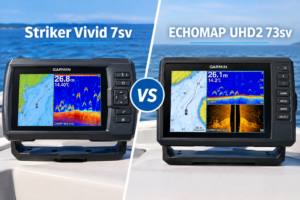
- Garmin Marine GPS: Models like the Garmin GPSMAP series have built-in tide tables, charting, and live current info. I find them clear to use, and they update data automatically.
- Simrad and Lowrance Chartplotters: These units provide real-time tide and current displays, including overlays on their maps. They’re great for boaters who want everything in one place.
- Navionics App: This app installs on smartphones and tablets and uses crowdsourced GPS data. I use it for checking tides, local currents, and safe navigation while traveling.
- Airmar WeatherStation Instruments: These specialized sensors measure air and water data alongside GPS, which gives me a detailed readout on current conditions.
Choosing the right device comes down to my own needs and where I’ll use it. For quick trips, the Navionics app on my phone is simple and effective. For longer boat journeys or fishing trips, I stick with a built-in marine GPS for extra features and screen size. Careful research helps buyers make informed decisions based on features, local compatibility, battery life, and budget.
It’s also worth looking at warranty options and customer support from each manufacturer before making a final decision. Many devices now offer software updates that include new charting features, improved mapping accuracy, and expanded coverage areas. Checking support forums or online user groups can reveal plenty of insider knowledge and user reviews that may influence your choice. Some brands offer trade-in programs for older units, so you could save money by upgrading through those avenues as well.
Current Trends in GPS Tide Tracking
GPS tide tracking technology keeps improving every year, and I’m always interested in trying out new features. Cloud syncing, mobile notifications, and integration with marine safety networks have become more common. Some devices and apps now pool data from many users, providing an even more detailed, real-time picture of tides and currents across different coastal areas.
Another trend I’ve seen is AI-powered prediction tools that blend GPS data with weather and ocean models. This helps me anticipate changes in the tide or sudden shifts in current, giving me advance warning. Wearable GPS trackers have become lighter and more water-resistant, so I can bring them along for kayaking, stand-up paddleboarding, or shoreline activities. I also notice that the expansion of 5G networks means data uploads and downloads are much faster, keeping me better informed wherever I have a signal.
Solar charging options for handheld GPS devices are also becoming popular, allowing for extended trips without worrying about running out of battery. Voice controls and touchscreen interfaces make these gadgets easier to use while keeping my hands free for boating tasks. Developers continue to add features like virtual fencing, tide notifications, and user-generated fishing reports to make every outing more productive and safer.
How to Use GPS for Ocean Current Navigation
Getting started with using GPS for ocean current navigation isn’t complicated. The process involves setting up the GPS device, verifying the live map and chart overlay, and then following the current direction as it appears onscreen.
- Install and Power On: I make sure my GPS unit or app is fully charged and turned on before heading out.
- Select My Location: Most devices detect my location automatically, but I double-check by centering the map on my location.
- Activate Tide and Current Layers: On my chartplotter or app, I enable tide and current overlays, often marked by special icons or color-coded arrows on the map.
- Track Direction and Speed: The device shows the current’s direction and speed using arrows and numbers. I can compare these to my planned route.
- Adjust Navigation Plans: If I encounter a strong current that could slow me down or push me off course, I can reroute around it or wait for conditions to change. The real-time updates help me stay safe.
This method is practical for motorboats, sailing vessels, and even small craft. Having live data on both tides and currents lets me avoid dangerous areas, hit the best fishing spots, or simply make the adventure smoother. Another benefit is being able to save my routes along with tide and current data to share with friends or revisit later. Many GPS units also allow you to set waypoints at favorite fishing holes or safe anchorages, making them easy to relocate later.
How to Use GPS for Fishing Tides and Planning Water Activities
Fishing at the right tide can make a huge difference, and GPS has taken a lot of guesswork out of the equation. I use my GPS device or app to check tide cycles and pinpoint peak bite windows based on location and tidal trends. Most modern apps show detailed tide tables for specific spots, which means I can plan fishing trips down to the hour.
Matching this data with known fish behaviors helps. Many species take advantage of changing tides to hunt for food, so certain periods are much more active. GPS data also helps identify current lines, rips, and eddies where fish often gather. I’ve had more success using these tools rather than relying on predictions alone. The same principle applies to surfing, kayaking, or swimming—knowing when the tides will switch gives me a big safety advantage.
Families planning days at the beach also benefit from knowing tide schedules to steer clear of dangerous rip currents and avoid being caught by unexpectedly high water. Groups organizing paddleboard excursions or coastal tours can pick the best time of day for calm conditions, maximizing fun and safety. GPS tide trackers make organizing and adapting to changing tides much simpler, so I can take up a notch every outdoor activity on the water.
How GPS Impacts Tide Forecasting and Marine Science
One area that doesn’t get enough attention is how GPS impacts tide forecasting and marine research. When scientists and coastal managers use GPS tide tracking technology, they can record super detailed changes over long periods. This builds stronger tide models and helps predict future ocean behavior more accurately.
I’ve seen how this technology supports things like coastal erosion studies, harbor management, and wildlife protection. Schools and research labs often use GPS to feed live water level data into national or regional databases. The combination of GPS and sensors creates a continuous record that’s far more reliable than traditional methods alone. Through these collective efforts, researchers can spot longterm trends, measure storm impacts, and improve environmental management. This data also supports ecological restoration projects by providing the precise timing of tidal flooding to sensitive habitats.
In addition, government agencies now use GPS data to inform emergency planning, prepare for flood risks, and track sea-level rise. The real-world applications of tide tracking with GPS reach farther than most people realize, offering valuable tools for both science and everyday coastal living.
Best Practices for GPS Currents Tracking
- Keep Devices Updated: I check for firmware and software updates to make sure my GPS accurately reflects new currents or mapping changes.
- Double-Check Calibration: Regularly calibrate the device or its compass to avoid misleading readings, especially after long trips or bumpy rides.
- Review Backup Data: Sometimes I back up GPS session logs to review trends or double-check unusual patterns.
- Cross-Verify with Charts: I always compare live data with official charts and local notices to catch any errors or outdated information.
- Charge Before Use: This one is basic but really important. Fully charging the device before a trip prevents problems if I’m out longer than expected.
By following these simple routines, I’ve had much smoother and safer trips, whether I’m boating, fishing, or just exploring. It’s also wise to carry a portable power bank and invest in waterproof and shock-resistant GPS cases to keep the equipment working reliably. Writing trip notes or logs after each outing can help spot recurring patterns and make each new adventure even more rewarding.
Common Questions About GPS Tide and Current Tracking
From my experience using these devices, a few questions come up for those starting to track tides and currents with GPS.
Question: How accurate are GPS tide and current trackers?
Answer: Most modern GPS marine devices are very accurate, especially when they use information from several satellites and combine it with uptodate tide models. While no system is perfect, the accuracy is at a level where boaters, fishers, and researchers rely on it for planning and safety.
Question: Can I use a smartphone or tablet as a GPS tide tracker?
Answer: Yes, many apps turn smartphones and tablets into reliable GPS tide trackers. I use my phone for local trips, though I keep a waterproof case handy and remember that phones can run out of battery or lose signal offshore.
Question: Do I still need traditional tide charts if I use GPS?
Answer: Some people keep paper charts as a backup, but I find modern GPS tools usually cover everything I need. In areas with spotty coverage or legal requirements, carrying charts still makes sense for safety.
Final Thoughts
GPS tide tracking technology puts powerful tools right in my hands whether I’m out on the water, planning my next fishing trip, or supporting a marine science project. The live data, safety improvements, and convenience are hard to beat. Keeping up with current trends and best practices helps me get the most out of my devices and keeps my adventures on the water efficient and enjoyable every time. By blending technology with time-honored skills, I can have more confidence and success whenever I step foot near the ocean or river.
This article was created with AI assistance and reviewed by a human editor.
About The Author