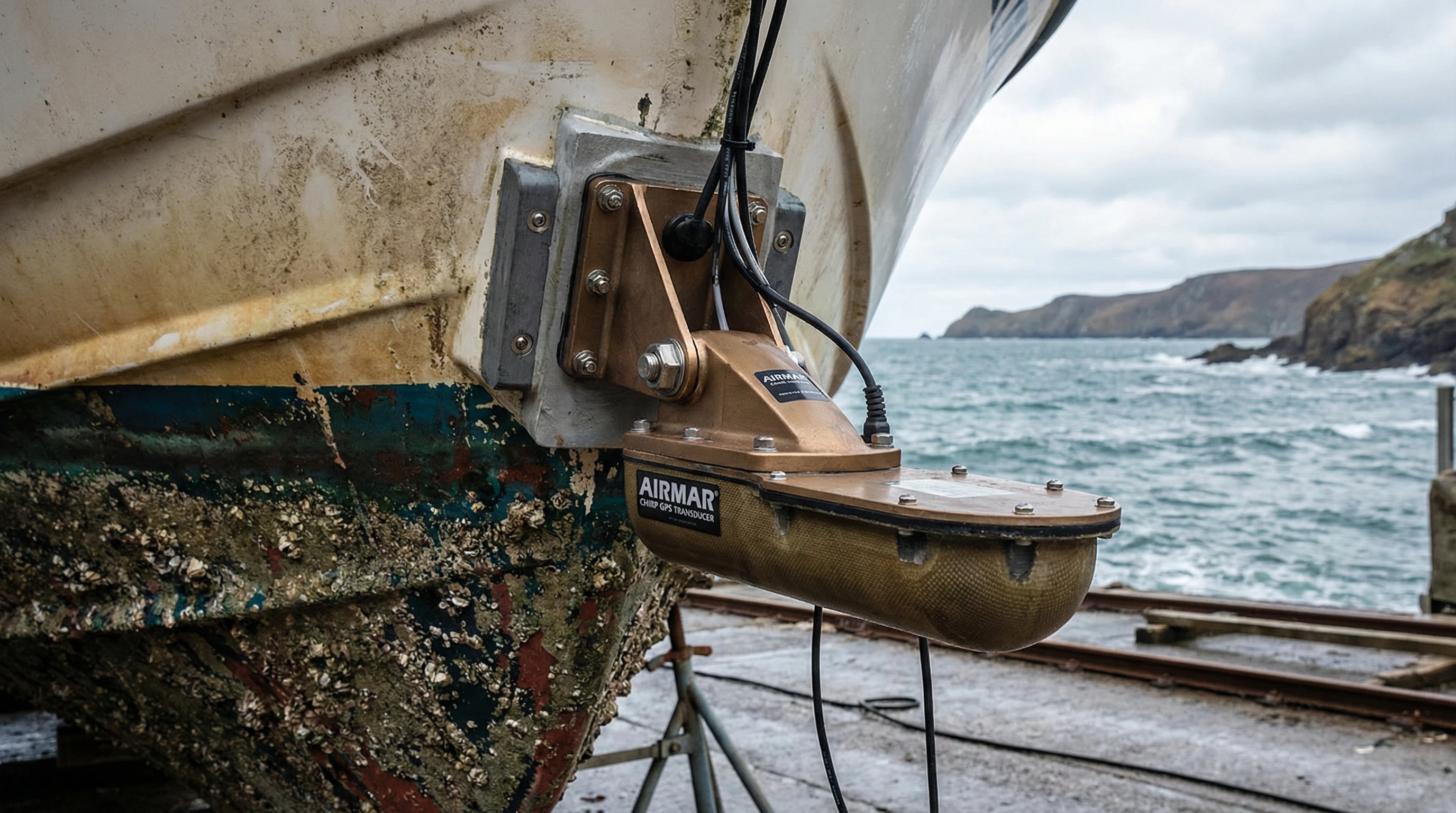
Airmar GPS transducers give boaters and anglers dependable depth and location accuracy that stands out from typical marine electronics.
From mapping waterways to finding the perfect fishing spot, the right GPS transducer can make a real difference. I want to break down how Airmar’s advanced models help people make the most out of every boating or fishing trip, and what sets them apart as some of the best GPS transducers for boating and fishing.
Why Reliable GPS Transducers Matter on the Water
Onboard technology plays a key role for anyone who spends time on the water. GPS transducers give real time data about vessel location and underwater depth. This information helps me avoid underwater hazards, stick to safe channels, and track down the best fishing spots. Advances in GPS and depth sensing tech now mean better safety, more efficient travel routes, and less time spent guessing or taking risks.
Airmar has earned a name for quality and innovation. Their GPS transducers for fishing boats stand out because they combine GPS positioning with highperformance depth sounders. This cuts out the need for extra equipment and helps keep my boat’s setup simple and easy to manage.
The sea often throws unexpected challenges; a strong GPS transducer means I’m not caught off guard by a changing tide or sudden fog. With accurate, up to the minute feedback, I can make smarter decisions, especially during fishing tournaments or when exploring new coastal routes. Boaters who venture into unfamiliar territory or shallow flats need the confidence that comes from reliable data.
What Makes Airmar GPS Transducers Different?
Airmar’s GPS transducers use a combination of sensor tech and real-time satellite data to deliver depth and position with a high degree of accuracy. The build quality is excellent, with waterproof and corrosion resistant materials tested in demanding marine environments. Their line of transducers includes options for various hull shapes, installation types, and vessel sizes, which is a real benefit for both recreational and professional users.
- Integrated GPS & Sonar: The fusion of depth and GPS in one device keeps my dashboard uncluttered and my information all in one place.
- Advanced Signal Processing: These models use recent technology to minimize errors from signal reflections or interference.
- Built to Last: Airmar models are tested for resistance against saltwater, UV rays, and rough weather; this is really important for long term use.
- Wide Selection of Models: Whether you need an in hull, transom, or thruthull transducer, Airmar’s catalog covers nearly every use case on the water.
One of the key differences is how Airmar puts reliability front and center. The waterproof seals are engineered for real marine use, and with robust data output standards like NMEA 2000, I know my electronics will communicate without issues.
Core Benefits of Using Airmar GPS Transducers
The right transducer translates to a smoother and safer boating or fishing experience. With Airmar, I get several real advantages:
- More Precise Navigation: GPS data updates quickly and with very little drift, even when traveling at high speeds or through currents.
- Reliable Depth Readings: Consistent depth data means fewer worries about running aground or hitting underwater obstacles.
- Combined Data for Smarter Fishing: I can mark and return to fish-holding spots easily, and adjust my tactics based on what the transducer finds below.
- Seamless Integration: Compatible with most major chartplotters and marine electronics, connecting Airmar units rarely requires complicated extra gear.
- Real-Time Environmental Feedback: Many Airmar units can relay additional environmental information such as temperature, which is valuable for anglers targeting specific species.
Having such a combination, all in a single package, simplifies my overall boat electronics setup. This means fewer devices vying for space and power, and fewer cables running throughout the boat, which makes troubleshooting much easier over time.
Airmar GPS Transducer Features Comparison
Airmar offers several GPS transducers, each designed for different needs and vessel setups. I’ve found that comparing their key features side by side saves time when trying to find the best fit. Here’s a look at some of the best GPS transducers for boating and how they compare:
- Airmar TM165HW: Great for trailer boats and smaller fishing craft. Delivers wide beam sonar coverage, which is handy for finding active fish in shallow or midddepth water.
- Airmar B150M: This model works well for saltwater anglers targeting deep species, with accurate readings up to 600 meters and precise GPS location baked in.
- Airmar P79: A popular inhull choice for those who want good depth readings without mounting a sensor on the outside of the boat.
- Airmar B744V: With both temperature and speed sensors included, this is a favorite for offshore anglers who need detailed data when traveling longer distances or chasing fast moving bait schools. It’s also popular with sailboats for its low drag install.
Most models feature CHIRP sonar and direct NMEA 2000 or NMEA 0183 output, which helps when connecting to chartplotters like Garmin, Simrad, or Raymarine. Each model is designed to serve a different type of boater, but all aim to give clear data and dependable performance on the water.
For those boating in colder climates or around icy conditions, it’s worth noting that Airmar transducers are also built to withstand freezing waters, making them versatile for year round angling or navigation, no matter the location and season.
Installation Guide, Airmar GPS Transducer
Getting the most out of your GPS transducer starts with a smooth installation. Airmar models are designed for straightforward setup, but following a reliable Airmar GPS transducer installation guide makes the process easier and prevents headaches later. I always go step by step to make sure I don’t miss simple but important details.
- Choose the Right Spot: For transommount models, I pick a spot near the boat’s centerline and away from any turbulence caused by the prop. For thruthull models, the area needs to be clear of strakes or other underwater fittings.
- Drill and Seal: Thruthull transducers require drilling a hole, applying the proper sealant keeps water out and prevents damage to the hull.
- Secure the Unit: Use stainless steel fasteners and be sure to tighten everything down so it’s able to resist heavy water pressure and vibrations during high speed runs.
- Route the Cables: Tidy cable management is really important to keep things neat and avoid interference with other electronics.
- Connect to the Chartplotter or Network: Plug the cables into your chartplotter or NMEA network, then check that the unit powers up and communicates as expected.
If I ever run into issues with signal quality or data accuracy, going back to check my installation usually solves the problem. Airmar provides detailed guides for specific models on their official site, which I always recommend reading before starting. Installation videos are also useful to visualize every step, great for hands on learners like me. Taking photos during installation helps if I need to troubleshoot later or reach out for tech support.
Airmar vs Competitors, Choosing the Right GPS Transducer
Many brands offer GPS transducers, but after testing and checking out several, I notice a few areas where Airmar excels:
- Accuracy: The GPS signal and depth readings on Airmar units are usually more stable and responsive under changing marine conditions.
- Durability: The materials used in Airmar devices handle long term saltwater use better than some budget competitors.
- Compatibility: It rarely takes more than a simple cable or software update to get Airmar working with most popular marine displays.
- Variety of Mounting Options: Whether your vessel is a center console, pontoon, sailboat, or larger offshore craft, there’s almost always an Airmar for the job.
Competitors like Lowrance, Raymarine, and Humminbird also offer good products, but Airmar’s attention to quality and their broad list of compatible brands gives them an edge for anyone who wants solid reliability and accurate location data on the water. Pricewise, Airmar models are usually mid to premium, but the performance and lifespan make them a smart buy for those who spend a lot of time on their boats. Buying directly from reputable marine dealers or wellknown online retailers also helps in getting genuine products and warranty coverage.
Getting the Most from GPS Transducers on Fishing Boats
Fishing boats need more than just a standard GPS, they rely on precise readings to spot dropoffs, find schools of bait, and pinpoint exact coordinates. Using Airmar GPS transducers for fishing boats, I can:
- Drop anchor exactly where fish are likely to be thanks to tight GPS accuracy.
- Save and recall prime fishing spots. This is perfect for tournaments or managing a regular guide service route.
- Get clear views of underwater structures like reefs, wrecks, and ledges with the advanced sonar built in.
- Understand environmental factors such as thermoclines or sudden depth shifts, allowing for onthefly adjustments in fishing tactics.
Having everything combined in one unit also leaves extra space for other gadgets or equipment out on deck. The efficiency and clarity give a noticeable edge during crowded fishing tournaments or when guiding clients in unfamiliar water.
If you’re a tech savvy angler, Airmar’s app integrations and compatibility with multiple chartplotter brands make updating software and accessing digital charts much simpler than with older or nonstandard transducers.
Common Questions About Airmar GPS Transducers
I get a lot of questions from fellow boaters and anglers about picking and using the right transducer gear. Here are some of the things that come up most often:
Question: What’s the best Airmar GPS transducer for small boats?
Answer: I’ve found the TM165HW offers a strong mix of value and performance for smaller boats, especially because it’s easy to mount and provides both wide sonar coverage and direct GPS output.
Question: Can I install an Airmar transducer myself or do I need a pro?
Answer: Many Airmar units are designed for DIY installation. If you’re comfortable working with power tools and following manuals, you can probably handle it. For thruthull models, or if your boat is expensive or hard to repair, I recommend using a local marine installer.
Question: Do Airmar GPS transducers work with my chartplotter?
Answer: Most newer Airmar models connect directly via NMEA 2000 or with brandspecific adapters. I always check compatibility charts or call tech support before buying to make sure.
Question: How can I get maximum lifespan out of my Airmar transducer?
Answer: Rinse it off after every saltwater trip, check for marine growth or barnacles, and store your boat dry if possible. Most issues come from neglect or damage during launch and retrieval. Once a season, give your wiring and seals a once over to catch any small problems early.
Real World Us, How Airmar Transducers Improve Navigation and Fishing
I’ve seen first hand how Airmar transducers help make each trip more productive and safe. When trolling for striped bass along rocky shores, the unit gave me exact readings of both water depth and bottom formations, so I stopped wasting time in unproductive areas. During overnight coastal trips, GPS tracking kept my navigation right on course, even when visibility was poor or currents changed unexpectedly.
For anyone running a charter business, the ability to mark and revisit highyield fishing locations boosts customer satisfaction (and tips). Recreational anglers and family boaters also benefit through easy operation, fewer worries about shallow spots, and better peace of mind out on the water. Knowing that my equipment can handle variable weather and saltwater environments without skipping a beat is a huge plus.
During a recent family outing, unpredictable fog set in, but with accurate Airmar GPS positioning and depth updates, we safely kept our route and avoided getting turned around or running aground. These practical advantages aren’t just for pros, casual boaters and weekend anglers get the same peace of mind and reliability trip after trip.
Tips for Buying the Best GPS Transducers for Boating
Based on my own experience and from speaking with other boaters, I look for a few key things when picking a GPS transducer:
- Precision: Models with fast refresh rates and strong GPS signal hold up better in real world conditions.
- Compatibility: Matching your transducer to the chartplotter or sounder you already use keeps things simple.
- Build Quality: Saltwater, impacts, and vibration are tough on electronics, so sturdy construction is a big plus.
- Customer Support: Good warranty, helpful manuals, and available tech support make a real difference if something goes wrong.
- Upgrade Potential: Choosing a model that allows for future expansions or software updates adds flexibility as your needs evolve over time.
Careful research helps buyers make informed decisions and avoids buyer’s remorse. Reading up on genuine reviews from other boaters is also a good way to get honest feedback before picking a model. Consider reaching out to local marinas or boating groups to ask about real world pros and cons of different transducers in your area.
Final Thoughts
Choosing a high quality GPS transducer like those from Airmar isn’t just about more gadgets on your boat. It’s about making your time on the water safer, smoother, and more enjoyable. Whether you’re fishing, cruising, or spending time with family, you’ll notice the upgrade in both confidence and results. Having reliable gear that brings depth and location data together means I spend less time setting up and more time having fun or bringing in a catch.
For anyone considering a new marine electronics upgrade, Airmar’s GPS transducers are definitely worth a look. Whatever your boating style, solo trips, guided tours, or competitive angling, investing in the right technology leads to better results, less stress, and a safer ride every outing.
About The Author