Voice control technology has changed the way I interact with marine GPS devices.
The ability to use handsfree commands while sailing or boating is not just convenient, it adds a real layer of safety when I need to focus on my surroundings. With voice activated marine GPS units now on the market, getting directions or checking navigation data is as simple as speaking a few words. In this article, I’m breaking down how voice control and handsfree operation shape modern marine navigation, what to expect from these features, popular units for 2026, and practical tips for using them on the water.
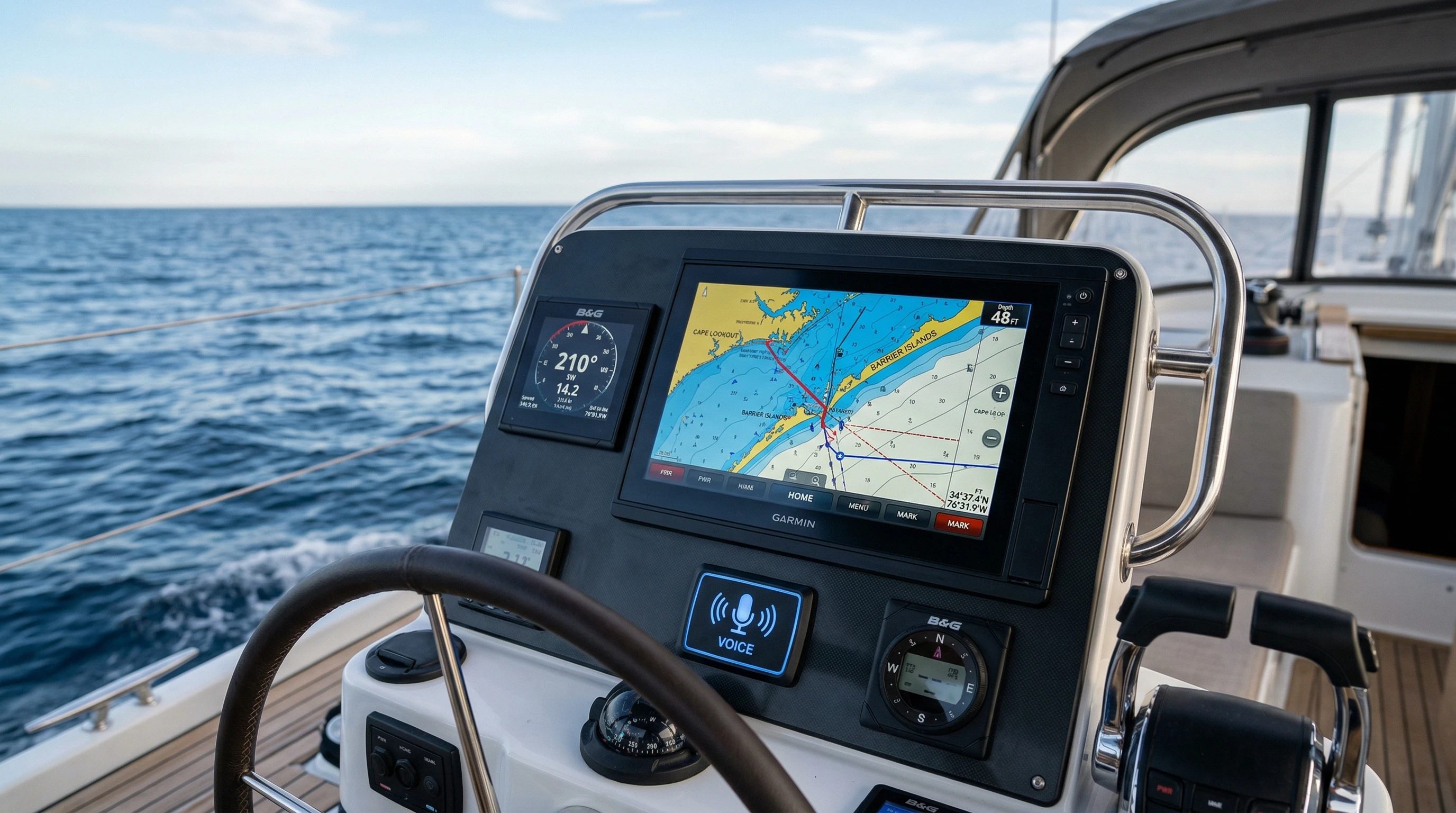
Why Voice Control Matters for Marine GPS
When I’m out on the water, my hands are often busy handling the wheel, adjusting sails, or just holding tight in rough conditions. Using voice commands makes it easy to interact with my GPS without taking my eyes off the horizon or removing my hands from important controls. This handsfree marine navigation approach helps me stay alert and react quickly if weather changes or unexpected obstacles appear.
Voice control technology in marine GPS isn’t just about avoiding distractions. It can also help reduce fatigue on long trips by letting me handle routine GPS tasks, such as marking waypoints or checking speed, without continuously reaching for buttons or screens. Over the past few years, manufacturers have designed voice control to work reliably even in noisy, windy, or wet conditions common on a boat.
Companies like Garmin and Simrad have been at the forefront of integrating voice commands into their GPS units. For example, Garmin’s voice control supports basic instructions like “show chart” or “go to nearest fuel dock.” This makes operation simple and practical for sailing, fishing, or cruising.
How Voice Controlled Marine GPS Works
Marine GPS units with voice features combine advanced microphones, speech processing software, and a set of built in command phrases. Most systems are designed to recognize straightforward instructions that I naturally use, like “find nearest marina” or “set waypoint here.” Some models connect with my boat’s sound system, which improves microphone sensitivity and cuts down on misheard commands.
Typically, the system listens for a wake word or key phrase before it accepts instructions. This is similar to how I might activate a virtual assistant on my phone by saying “Hey Siri” or “OK Google.” Once I’ve triggered the GPS, I can request details such as my current speed, location, weather conditions, or change the navigation route.
Because the marine environment is different from a car or home, voice recognition software is calibrated for higher background noise levels and water-related sounds. Some top rated marine GPS devices for 2026 claim to filter out engine rumble or wind, letting my voice come through loud and clear.
Best Features of Handsfree Marine Navigation
As someone who’s tested a few handsfree GPS for sailing trips, I can share a few features that really stand out. The most useful voice command functions let me:
- Set Waypoints: This is the fastest way I’ve found to mark a fishing spot, hazard, or location worth noting without dropping what I’m doing.
- Change Display Modes: I switch from chart to radar to sonar views just by asking, which is helpful when conditions change quickly.
- Adjust Navigation Routes: Reroute around shallow areas or update arrival times by speaking a single instruction.
- Ask for Updates: Getting tide, weather, or depth information with my voice makes it easier for me to stay on top of changing sea conditions.
- Mute or Speak Alerts: Some GPS units let me silence beeps or request voice alerts, so I stay informed without surprises.
This voice driven flexibility is especially useful when guests are aboard or when I’m solo, since I can continue to steer and monitor conditions without any risk of distraction.
Common Marine GPS Voice Commands
After using different brands of marine navigation, I’ve learned that most systems rely on a library of basic commands. Here are some standard phrases that work on top marine GPS devices:
- “Show chart” or “display map”
- “Go to home port”
- “Nearest marina”
- “Mark waypoint”
- “Show depth”
- “Mute sound” or “volume up/down”
- “What’s the weather?”
- “Route to next stop”
Learning these key phrases makes the handsfree experience smooth. Some newer units even allow me to program custom commands, so I can personalize how I interact with my system.
Getting Started with a Voice Control Marine GPS
Choosing and using a voice controlled marine GPS is straightforward, especially with modern menus and step by step setup help. When I’m helping a new boater pick their first GPS, I usually recommend looking for these qualities:
- Clear Microphone and Speaker: Builtin microphones should filter out unwanted background sounds and not pick up stray conversations from guests.
- Userfriendly Interface: A screen that offers help prompts and a list of supported voice commands is helpful when getting used to the system.
- Software Updates: Support for ongoing updates improves voice recognition over time, which means commands work better after each upgrade.
- Reliable Connectivity: Handsfree GPS for sailing should connect easily with boat electronics, allowing for data sharing and systemwide control.
Many of the best marine GPS with voice control also come preloaded with charts (like BlueChart g3 or Navionics) and have WiFi or Bluetooth for syncing with mobile devices. This gives a boost to overall boat management and keeps all my navigation info in one place.
Top Rated Marine GPS Devices for 2026
Looking ahead, manufacturers are focusing even more on convenience and safety with voice control marine GPS units. Here are a few expected to be popular in 2026, based on early reviews and my own experience with previous models:
- Garmin GPSMAP 9000 Series: Known for responsive voice recognition, this series also integrates with radar, sonar, and autopilot systems. It works well even on noisy powerboats.
- Simrad NSX Touch Series: Designed for both sailboats and motorboats, these units offer customizable voice commands and a wide touchscreen, making it easy for me to switch between modes without using my hands.
- Raymarine Axiom Plus: This GPS features fast chart drawing and seamless voice search for waypoints, marinas, and weather details.
- Furuno NavNet TZtouch3: With strong wind and noise filtering, this model is favored by offshore fishers and captains who want reliable voice control in harsh weather.
These units give me confidence that voice navigation isn’t just a gimmick but a practical tool, no matter the style of boating or expected conditions.
Practical Examples: Voice Activated Navigation in Action
On one sailing trip, I used my GPS’s voice command feature to change a route after spotting a storm cell ahead. Instead of fumbling with wet touchscreens, I just asked the device to find an alternate harbor. Moments like these show how valuable voice control is in real-world marine navigation. Even a simple task like marking a waypoint at a reef can be done without letting go of the helm.
I’ve also noticed voice commands are especially useful for fishing. When I want to save a new fishing spot or recall a favorite track, I no longer have to move away from the rod or tackle box. Speaking the command works reliably, even with seawater spraying and engines running nearby.
Potential Downsides and How to Overcome Them
While I rely on voice control for convenience, there are moments where it’s not perfect. Marine GPS voice commands sometimes misinterpret my instructions if there is loud wind or background chatter. Training the system by repeating key phrases (or using optional command lists) usually improves accuracy.
If voice activation fails, all the latest devices still have full manual controls as a backup. Keeping firmware updated helps reduce software bugs and microphone calibration issues. In some cases, using a basic external microphone or a shielded radio handset improves voice pickup in rough weather. It’s important to check and adjust sensitivity if you’re often on a noisy boat.
Advanced Tips for Using Handsfree GPS While Sailing
Once I was used to handsfree controls, I picked up some tips that help me make the most of these features:
- Speak naturally and clearly, especially when waves or wind are loud.
- Check the user manual for any unique or brand-specific phrases that are recognized by your model.
- Update the software regularly. New voice functionality may become available with updates.
- Use custom command programming if your GPS supports it. Setting up personal shortcuts for tasks you handle often (like “drop anchor” or “find tide info”) saves time and effort.
- If you operate a larger boat with multiple stations (upper and lower helms, cockpit, or cabin), look for systems that support voice operation from different zones.
With just a few minutes of practice, voice commands quickly become second nature, saving time and allowing me to keep my focus where it matters most.
Key Factors to Consider Before Choosing a Voice Control Marine GPS
When I’m helping friends pick the right handsfree GPS for sailing, I always suggest checking a few important areas. Here are the main points to consider, with details on why they’re really important:
- Compatibility: Make sure your chosen GPS works with your existing electronics (like NMEA 2000 networks, radar, or sonar).
- Microphone Quality: Units with dual or noisecancelling microphones perform better in windy or wet environments.
- User Customization: Some GPS models let you program new commands or choose from several voice language options.
- Display Size: Larger touchscreen units make it easier to read charts and follow voice directions, especially on big boats.
- Chart Coverage: Units preloaded with detailed charts let me skip the step of buying and loading new maps before a trip.
Careful research and reading real user reviews help buyers make informed decisions. I usually suggest browsing online forums or discussion groups to hear how the latest models perform in real boating conditions.
Popular Uses for Voice Control in Marine Settings
Voice control marine GPS is not just for sailing. I’ve seen lots of creative uses in all kinds of settings:
- Charter Boats: Guides set and adjust routes while chatting with passengers.
- Fishing Boats: Marking hot spots or toggling between sonar and GPS screens by voice.
- Solo Cruising: Operating all navigation without ever leaving the helm.
- Emergency Situations: Issuing quick calls for help or changing routes with no hands free.
- Tour Boats: Deliver safety messages or alerts to guests using prerecorded voice instructions through the GPS system.
With voice control technology in marine GPS growing fast, these devices make every type of boating safer and more fun, whether I’m working or just out to have a good time.
Frequently Asked Questions
I often get questions from fellow boaters who are thinking about handsfree marine navigation. Here are a few common ones:
Question: Do I need internet connectivity for marine GPS voice commands to work?
Answer: Most voice-activated marine GPS devices operate offline and process voice commands internally. Only some advanced features, such as live weather or smart home integration, need a data connection.
Question: Are voice-controlled GPS units harder to install?
Answer: Modern marine GPS units with voice features are designed for easy installation, similar to traditional chartplotters or MFDs (MultiFunction Displays). Most come with step by step guides in the box.
Question: Can voice control be used in multiple languages?
Answer: Many GPS systems offer several language options for voice commands and spoken directions. Always check specific model specs to make sure your language is supported.
Start Exploring Voice Control Marine GPS
Trying voice control and handsfree operation on your marine GPS can really change how you approach navigation and safety at sea. New devices coming out in 2026 promise even sharper recognition, more custom commands, and smoother integration with the rest of your boat’s tech. Giving these features a try means you get to keep your hands and attention where they matter most, on your boat, your crew, and the adventure ahead.
Voice technology is making boating safer and more enjoyable, and with a little practice, I found that it fits right in with my regular marine routine. If you’re thinking about upgrading, now is a great time to see what handsfree navigation can offer, whether you sail, fish, or cruise.
Happy boating!
This article was created with AI assistance and reviewed by a human editor.
About The Author




Great introduction to the benefits of going voice activated, I have been hesitant and reluctant to try; just worried about how to work it and worried it won’t function the way I am used to. Shows that it just takes a little research and education and it will be another invaluable aid. Never even dreamed of some of the features it offers, and shows how much safer and better it will be once you have it mastered. I have definitely been distracted trying to use the GPS, and this shows that going voiceless is almost not an option anymore, so much easier and convenient to use while navigating. Great considerations and recomendations, can’t wait to start using it myself!
Thank you so much for sharing this! I completely understand the hesitation, it’s something a lot of people feel at first, especially when trying a new way of doing things.
You’re absolutely right that a little bit of research and practice goes a long way. Once you get used to voice commands, it really does start to feel natural, and the convenience, especially while driving makes a big difference.
The safety aspect is a big one too. Not having to look down or fumble with GPS can really help you stay focused on the road.
I’m glad the article helped highlight some of those features, and I hope you enjoy trying it out, you might be surprised how quickly it becomes second nature!