Using GPS data for engine performance monitoring on boats can make a huge difference in reliability, efficiency, and peace of mind.
Reliable engine data helps me spot issues early, improve fuel economy, and keep everyone on board safe. Modern boats now allow owners like me to combine GPS information with engine sensors for smarter maintenance, easier troubleshooting, and better trip planning. In this article, I’ll share what I’ve learned about GPS data engine performance monitoring so you can see how GPS impacts boat performance and how to get started with these tools yourself.
What Is GPS Data Engine Performance Monitoring?
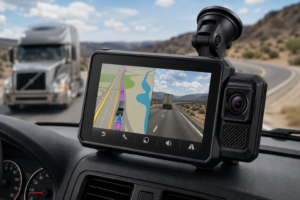
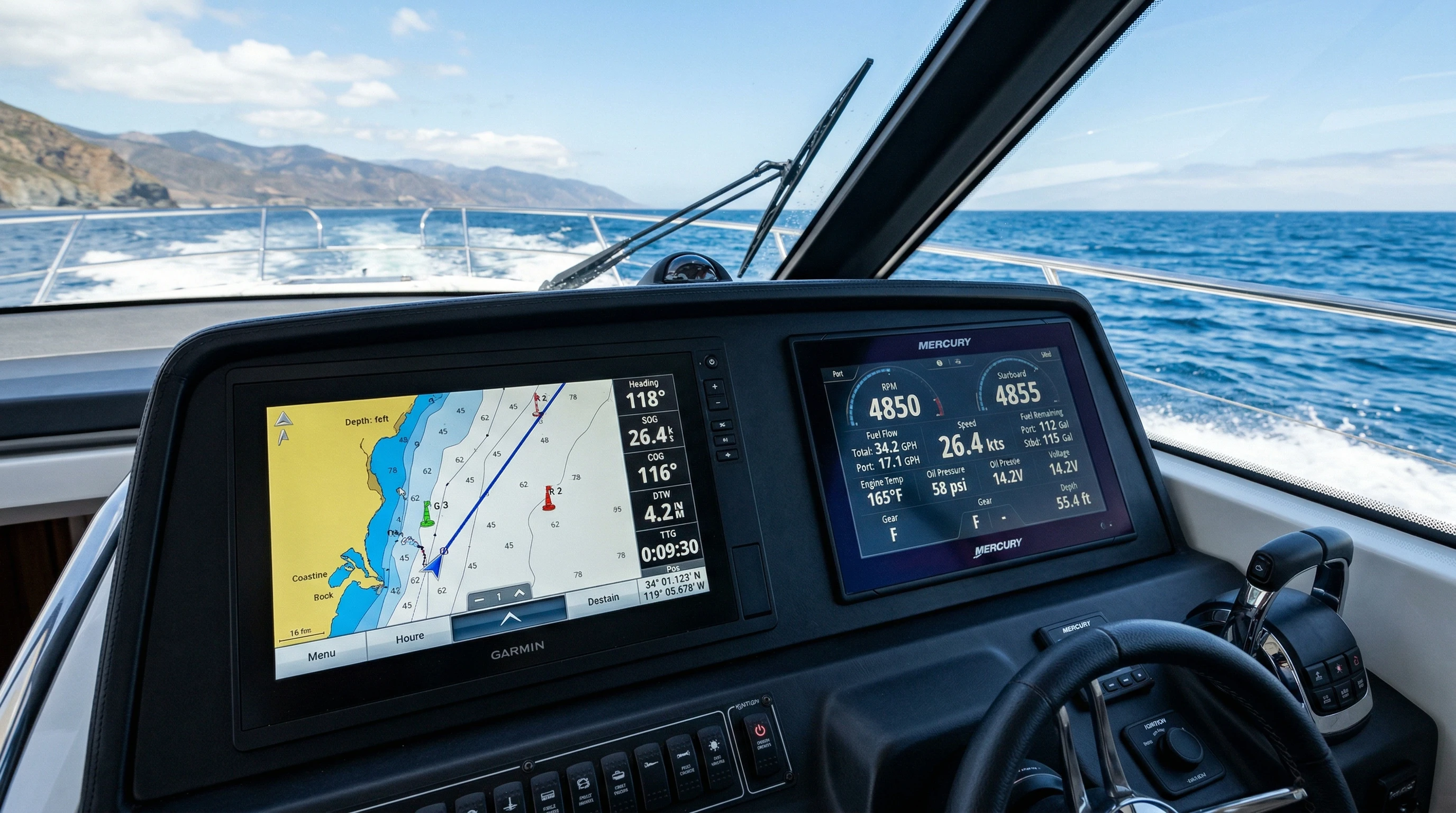
Combining GPS technology with boat engine monitoring systems gives me real-time feedback about my boat’s health and performance on the water. Traditional engine gauges show basics like RPMs and fuel level, but pairing those with GPS data comes with some clear advantages. With GPS based engine diagnostics for boats, I can see how fast I’m really going, how much fuel I’m using per mile, and spot trends that regular gauges would never catch.
Here’s a closer look at the main pieces involved:
- Engine Sensors: Devices measure parameters such as temperature, oil pressure, RPM, and fuel flow.
- GPS Receiver: Tracks boat position, speed over ground, heading, and can log data for later review.
- Integrated Monitoring System: Combines GPS info and engine sensor data into a single display or control unit.
With these combined, I’m not just looking at numbers, I get real insight into what’s really happening with boat engine performance tracking using GPS from dock to open water.
Why GPS Makes Engine Performance Monitoring Better
Before using GPS engine monitoring for maritime safety and efficiency, most boat owners like me relied on a patchwork of analog dials and gut feeling. By adding GPS data to the mix, the system tells me more:
- Fuel Efficiency: Comparing fuel flow to actual distance traveled (using GPS) lets me spot if the engine is running wastefully.
- Accurate Speed Data: Propeller slip, currents, and wind can throw off speed readings. GPS based engine monitoring always gives the true speed over ground, which matters for trip planning and comparing performance.
- Route and Performance Correlation: I can connect changes in engine load to specific segments of my route, like seeing if a certain stretch causes the engine to work harder than usual.
- Automated Alerts: Some systems warn me if engine or GPS data go outside normal bounds, helping me address small issues before they become big problems.
Bringing GPS technology for boat engine analysis into my setup has been a game changer. I save on fuel costs, avoid engine surprises, and always know how my boat is behaving.
How GPS Data Impacts Everyday Boating
Using GPS data in engine performance monitoring isn’t just a nice to have. For anyone logging serious time on the water, it becomes really important for long term care and daily use alike. Here are some real world impacts I’ve seen:
- Easier Trip Planning: Knowing my consumption at various speeds and routes helps me plan how much fuel to bring.
- Detecting Small Problems: Subtle changes in GPS logged fuel efficiency often signal a dirty propeller, clogged filter, or minor mechanical issue long before other symptoms appear.
- Condition Prediction: I can see if engine performance drops in rough conditions, strong currents, or on specific tides. This helps me choose the best time and route for outings.
- Maintenance Records: Data logs from these systems make routine service much more effective. When I go in for maintenance, I have hard numbers to back up my experiences on the water.
- Safer Boating: Real time engine warnings from integrated GPS monitoring help keep everyone on board safer by avoiding breakdowns in remote locations.
Choosing an Engine Performance Monitoring System for Boats
Engine performance monitoring systems for boats now come in several shapes and sizes. When I set up my system, I looked for features that balance price, features, and ease of installation:
- GPS Integration: Some systems pull GPS data from chartplotters or dedicated modules, while others come with their own built in receivers.
- Sensor Compatibility: The system should work with my boat’s existing sensors, or at least include new ones that can measure oil pressure, temp, RPM, voltage, and fuel flow.
- Display Options: Touchscreen displays are easy to read in direct sun, and I like those that can be added to my current dashboard. Remote or app based systems can be convenient if I want to monitor from my phone or tablet.
- Data Logging and Export: Keeping a history of trips and engine sessions is helpful for identifying trends and planning future trips. The ability to download logs is a big plus for me.
Some manufacturers offer plug and play modules, while others require custom wiring. Websites like Garmin and Lowrance are good places to start researching available options.
Setting Up GPS Based Engine Diagnostics. What to Expect
When I installed a GPS linked engine performance tracker, the process was pretty clear, but there were a few steps that needed my attention. Here’s a rundown of what to expect:
- Mounting the GPS Receiver: Most units are mounted on deck or near the helm for the strongest possible satellite signal.
- Sensor Installation: Fuel flow sensors are often added to the fuel line, and others connect to the engine block or wiring harness. Careful sensor placement ensures you get accurate readings.
- Wiring: Connecting the GPS and sensor modules to a central processor or display usually requires running cables behind bulkheads or along existing wiring channels.
- Software Setup: Systems need initial calibration. I might enter my fuel tank size or baseline engine parameters. Some also ask for “zero speed” calibration while tied up to the dock.
- Testing: Before heading out, I verified data accuracy at idle and at different speeds. Some trial and error was needed to get sensor alignment and readings as accurate as possible.
I learned that having clear instructions from the manufacturer and checking online help forums made the process faster and less stressful. If you’re unsure, working with a boat electronics installer is a smart move for peace of mind.
Common Challenges and How to Handle Them
Getting the benefits of GPS based engine diagnostics for boats does take a little troubleshooting and patience. Here are some of the issues I’ve seen and how I dealt with them:
- Signal Drops: Overhead biminis or crowded marinas can block GPS reception. I chose a high quality, weatherproof antenna and placed it away from metal railings and electronics to avoid interference.
- Data Accuracy: Sensor placement directly impacts how well the system reads flow rates or pressure. Careful installation and regular calibration checks keep readings correct.
- Software Updates: Some systems need software or firmware updates. I keep my manuals handy and download updates during the off season so I don’t lose precious boating days.
- Learning Curve: The first time I pulled up all the data on the screen, it was a bit overwhelming. I started small, focusing on key readouts like speed and fuel flow, before getting into advanced settings.
GPS Reception Issues
Good GPS signal is really important for all these systems to work. Factors like tall nearby boats, large metal superstructures, or heavy cloud cover can affect accuracy. By testing signal strength during installation and choosing my antenna location carefully, I’ve had very few issues once things are set up properly.
Sensor Maintenance
From time to time, sensors may need cleaning or recalibration. I check connections at least once or twice a season and keep spare parts on hand, especially for older engines or if I go boating in salty or rough conditions.
Advanced Features and Tips
Once comfortable with the basics, I found some eye catching features worth exploring if you’re interested in pushing your boat’s performance or simplifying maintenance even further:
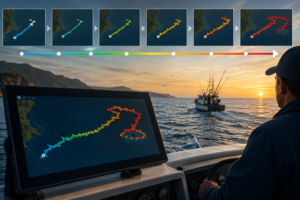
- Trip Replay: Some systems let me review my trips, comparing engine RPM, speed, and fuel use side by side with a GPS map overlay.
- Custom Alarms: Setting up alerts if speed drops below or exceeds set points, or if engine temps move outside normal, quickly tells me if something odd is happening.
- Integration with Navigation Systems: Sharing engine and GPS data with chartplotters or autopilot systems streamlines operations, especially on larger boats.
- Remote Monitoring: Some advanced monitoring platforms upload information to the cloud. I can check on engine or GPS parameters from my phone, which is handy when my boat’s at a marina far from home.
Exploring these extras over time made it easier for me to understand not just how GPS impacts boat performance, but how every trip can become a chance to learn and improve.
Starter Guide, How to Begin GPS Engine Performance Monitoring
If you want to get into GPS powered engine monitoring for your boat, here are a few actionable steps based on my own setup process:
- Research Compatible Systems: Check what works with your engine type (gas, diesel, outboard, inboard) and look for models that have positive reviews with features you need.
- Decide on Display Style: Choose between a dedicated dash display or a system that connects with your phone or tablet. Consider how you prefer to view information while underway.
- Plan the Install: Review installation instructions and look at YouTube tutorials or forums. Some brands have helpful community support. Decide if you’re going DIY or hiring help.
- Order Spare Sensors: Having a backup on hand avoids downtime in case a sensor fails during boating season.
- Start Simple: Even basic trip logs and fuel tracking with GPS integration give you valuable insights. As you get more comfortable, check out advanced analysis options.
The process is approachable for most mechanically handy boaters, but pros are available if you prefer to focus on using the data rather than installing hardware.
Useful Tips for Best Results
Getting the most out of GPS engine monitoring on your boat comes down to consistency and routine. A few things I do every season:
- Regularly check and clean sensors and GPS antenna connections.
- Keep the system software updated for improved stability and new features.
- Download trip and usage data and scan for any odd changes. Big changes can point to engine wear or hull fouling.
- Keep an eye on calibration, especially after significant work on the engine or fuel system.
These habits extend the life of my system and my engine, and keep me confident in the accuracy of every reading.
Frequently Asked Questions
Here are answers to a few common questions about GPS data engine performance monitoring for boats:
Question: How hard is it to install a GPS based engine monitoring system?
Answer: Many modern systems offer DIY installation with step by step guides. If you’re comfortable working with boat electronics, it’s very manageable. For older boats or more complex setups, getting a pro to help is a good option.
Question: Do these systems work for every kind of boat?
Answer: Almost any vessel with an engine can use GPS engine monitoring. Just make sure the chosen system matches your engine’s make, model, and sensor compatibility. Both outboards and inboards are widely supported.
Question: What if my boat already has GPS and a chartplotter?
Answer: Most performance monitoring add ons will connect to existing GPS units. Some chartplotters can even display engine data from the same network, making your existing electronics more useful.
Question: How does GPS data help with fuel economy?
Answer: By comparing fuel flow to GPS speed and distance, I can see which RPM or throttle setting burns less fuel on my usual routes. Small changes in speed often yield big savings, especially on long days of cruising.
Question: Is GPS based monitoring worth the cost for smaller boats?
Answer: For frequent boaters or those doing longer trips, even smaller recreational boats benefit from the fuel savings, peace of mind, and early warning features. If you’re rarely far from help or do short outings, a simpler system might be enough, but most owners find the added information reassuring.
Bringing It All Together
Adding GPS engine performance monitoring to my boat has made trips smoother, maintenance easier, and helped me enjoy every moment on the water with more confidence. With reliable GPS based engine diagnostics for boats and consistent tracking, I’ve learned how GPS impacts boat performance in ways that matter every day.
Whether you’re looking to prevent breakdowns, boost efficiency, or simply want more trust in your engine, starting with GPS powered information is a smart way to get more from every adventure.
This article was created with AI assistance and reviewed by a human editor.
About The Author