Upgrading legacy GPS units on commercial fishing vessels can be quite an experience, especially when reliable navigation and efficient operations are on the line.
When I first started looking into upgrading GPS technology for fishing, I quickly learned how many factors shape the decision-making process. New technology can make fishing operations safer, more efficient, and less stressful, but the road to a successful upgrade isn’t always smooth. Here’s what I’ve learned from my adventure, and how you can sidestep common pitfalls while getting the most value for your boat.

Why Upgrade Legacy GPS on Commercial Fishing Vessels?
When I moved over from old, button-heavy units to a modern touchscreen chartplotter, the difference was eye-catching. Legacy GPS units on fishing vessels can hold a nostalgic charm, but the real-world problems they cause pile up fast. Buttons stick, screens fade, and getting accurate readings sometimes feels like wishful thinking. More importantly, I’ve seen older GPS models drop signal during bad weather, which is a real headache when you’re chasing the bite or plotting a safe course in rough conditions.
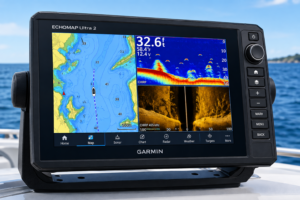
Modern fishing GPS systems now feature high detail mapping, quick satellite acquisition, and smart features such as networking with radar, sonar, and autopilots. These upgrades don’t just offer a shiny new look; they directly improve safety, catch efficiency, and the ability to stay on productive grounds. I realized pretty quickly that less time fiddling with menus and more time with my eyes on the water adds up in both safety and profit.
Common Issues with Legacy GPS Units in Fishing Vessels
When I talk with other captains, the same complaints about old GPS units come up over and over. Many of these legacy devices were built tough, but technology moves quickly, and their age is now a liability. Here are some problems you might face:
- Slow Startup: Older units can take several minutes to acquire a signal, especially if moved between regions or shut down for long periods.
- Low Screen Visibility: Sun-faded displays and limited backlighting make it hard to read position, especially at dawn, dusk, or night.
- Lack of Chart Updates: Many older GPS systems have outdated chart data, missing new coastlines, hazards, or marine changes.
- No Network Integration: Older systems often can’t connect with modern sonar, radar, or mobile apps, which limits their usefulness.
- Repair and Replacement Headaches: Components for legacy models are tough to find, and repair techs sometimes need to source parts from multiple countries.
When I compare these issues to newer units, the gap is even wider. Commercial fishing GPS unit comparisons consistently favor modern models for usability, even if the initial upgrade feels like a big change.
Modern GPS Tech: Core Benefits for Commercial Fishing
Switching over to upgraded GPS technology for fishing felt like replacing my flip phone with a smartphone. It opened up a ton of possibilities. Here are features that stand out immediately:
- Touchscreen Interfaces: Moving from tiny buttons to fullsize screens made it easier to zoom and mark fishing spots.
- High Detail Charts: Options for satellite imagery, 3D terrain, and crowdsourced map updates help pinpoint reefs and dropoffs.
- Integration Capabilities: Modern units can network with sonar, radar, and even connect with portable devices and WiFi.
- Advanced Route Planning: Tools like autorouting help me calculate fuel use and safest routes for my vessel’s draft.
- Reliable Satellite Reception: Newer units work with multiple satellite constellations (GPS, GLONASS, Galileo), getting faster and more stable fixes.
- Remote Monitoring: Some models even let me check vessel data from my phone or from shore, which is a big relief if I need to leave the boat moored.
Legacy GPS vs modern GPS for fishing comes down to ease of use, speed, and access to more and better information. I would never want to go back to my old system.
Planning the Upgrade: Key Considerations
Making the leap to new tech doesn’t have to be risky or overwhelming. Here’s how I planned my upgrade and what I’d do differently next time:
- Check Power Requirements: Modern GPS units can draw more power. Make sure your electrical panel can handle the new load and that breakers are rated appropriately.
- Size and Fit: Measure your existing cutouts and mounting space. Some bigger displays may require enlarging or modifying panels, which can add cost and time.
- Networking Compatibility: See what your current electronics (sonar, VHF, AIS) use to communicate and pick a GPS unit that supports these protocols (NMEA 0183, NMEA 2000, Ethernet).
- Chart Compatibility: If you have existing chart cards or licenses, check if your new unit supports them or if you’ll need to purchase updated versions.
- Training Needs: Plan in some extra time for yourself and your crew to get familiar with the upgraded system. Most mistakes happen because of unfamiliar menus or mapping tools.
Careful planning up front can save money and headaches down the road, especially with commercial fishing GPS unit comparisons showing so many subtle differences in brands and features.
Cost Breakdown: GPS Upgrade Costs for Fishing Boats
When I priced out my upgrade, I found costs varied depending on the size of my vessel, the complexity of my network, and how modern I wanted to go. Here’s how the numbers usually shake out for most boats:
- Entry Level Plotters: About $350 to $900. Good for smaller fishing boats, with basic chartplotting and waypoint marking.
- Midrange Systems: $1,000 to $3,000. Designed for larger vessels, these units offer larger, brighter screens and the ability to integrate radar, sonar, and more.
- High End Commercial Units: $3,500 and up. These offer full chart networking, redundancy, remote monitoring, and integration with advanced safety gear.
- Installation Costs: Expect $500 to $2,000 depending on cabling, network complexity, and panel modifications.
- Chart and Software Licenses: Add $150 to $600 for updated navigation charts or premium mapping options.
Factoring in labor, extra sensors, and cabling can push the full bill a lot higher, especially if upgrading older vessels. I always recommend getting a full written quote from a marine electronics installer before starting any work so you can budget accurately.
Installation Guide for Fishing GPS Upgrades
If you’re handy and want to save some money, upgrading your fishing vessel’s GPS can be a satisfying project. Here’s the basic process I followed when doing my own installation:
- Remove Old Unit & Backup Waypoints: Before disconnecting power, I backed up all my old tracks and fishing marks, then labeled wires for easy identification.
- Check Mounting Surface: I checked the dash or helm for fit, then modified the cutout if needed using a jigsaw and sandpaper so the new unit sat flush.
- Install New Bracket or Housing: Using stainless hardware, I mounted the new bracket in place, checking for a sturdy, vibration resistant fit.
- Route Power and Network Cables: I connected fuse protected power straight to my breaker panel and ran shielded data cables for networking with my sonar and radar.
- Connect GPS Antenna: Some new GPS units have internal antennas; others need an external one for better signal. I placed mine high and clear of metal obstructions.
- Bring Everything Online: Once powered up, I ran through the full setup wizard, imported my old waypoints, and checked that all networked devices were showing up as expected.
- Test at the Dock: I always recommend doing a full system check at the dock before heading offshore. I walked through navigation, setting routes, and verified accuracy against a handheld GPS.
Taking your time with each step helps catch errors or compatibility issues before they become bigger problems offshore. For more detail, many manufacturers provide step-by-step guides or installation videos specific to your unit. I also checked various online resources, which offered additional insights into uncommon troubleshooting scenarios I wouldn’t have known about otherwise.
Modern GPS vs Legacy Equipment: Commercial Fishing GPS Unit Comparisons
I’ve had opportunities to pilot both older GPS models and next-level cool modern systems on various fishing vessels. Here are some practical differences you’ll likely notice right away:
| Feature | Legacy GPS | Modern GPS |
|---|---|---|
| Startup Time | 3 to 10 minutes | 10 to 30 seconds |
| Display Visibility | Low visibility in sunlight | Bright, antiglare screens |
| Chart Data | Rarely updated | Frequent updates, user contributions |
| Networking | Rarely compatible | Fully networked: radar, sonar, smartphone |
| Ease of Use | Button heavy menus | Intuitive touchscreen navigation |
| Reliability | Prone to glitches, repair issues | More stable, better construction |
| New Features | Limited or none | Autorouting, weather, remote alerts |
For anyone on the fence, the usability and reliability alone are strong reasons to upgrade. Increased efficiency and access to better data also make a real difference when time and safety count. Many crews notice fewer navigation mistakes and much simpler recordkeeping just days after their upgrade, making it one of the more satisfying investments.
Troubleshooting and Crew Training After Upgrades
Once everything is installed, the learning curve begins for you and your crew. I found that reviewing the manual and simulating common tasks, such as marking a new fishing spot or creating a safety route home, helps everyone feel confident. Setting a standard set of steps for logging catches, tracking routes, and sharing waypoints goes a long way toward smoother operations.
Common troubleshooting tasks include checking for loose connections, doublechecking software updates, and recalibrating the heading sensor if position markers jump around. If any issues arise, most modern manufacturers offer 24/7 tech support, and there are strong online forums where other commercial fishermen share tips and tricks specific to certain brands. Beyond manuals, I’ve started putting together cheat sheets for my crew with the most used features and how to reset the system if it freezes, which helps speed things up during heavy fishing days.
Future of GPS on Commercial Vessels
It’s pretty exciting to see what the future holds for GPS on commercial vessels. Companies are rolling out new tech with each product cycle, and even the last few years have shown big leaps. I’m starting to see more vessels using hybrid GPS/GLONASS/Galileo systems for even faster satellite fixes. Integration with weather overlays and real time gear tracking is becoming common, making navigation and resource management much smoother.
Some of the trends I’m keeping an eye on include:
- Artificial Intelligence: These systems can now help recommend fishing spots based on seasonal data and historical catch logs.
- Remote Diagnostics: Onboard electronics can now send performance data to technicians anywhere in the world, speeding up troubleshooting and reducing downtime.
- Improved Cybersecurity: Upgraded systems now pay much closer attention to encrypting location and trip data. This is really important for competitive fisheries or confidential research voyages, making sure your information stays yours.
- Integration with Logbooks and Regulations: Modern GPS units are connecting directly with electronic logbooks, making compliance with reporting requirements easier than ever.
The payoff for early adopters comes in more catches, fewer breakdowns, and better compliance with changing laws on position recording or catch reporting. The extra investment in technology now feels like a smart move for the future. These rapid advancements signal that soon, many features we can only dream up today will be considered standard, leveling up every captain’s ability and giving a boost to both safety and efficiency.
Frequently Asked Questions
I’ve put together answers to some of the most common questions I’ve heard about upgrading GPS technology for fishing vessels.
Q: Can I still use my old waypoints and tracks with a new GPS unit?
A: Most new units let you import waypoints and routes from legacy systems, sometimes with an adapter or conversion software. I recommend saving everything to a memory card or laptop before starting the swap.
Q: How long does installation usually take?
A: A simple swap can be done in a few hours if no dash modifications are needed. However, if you’re adding extra networking, sensors, or cabling, plan a full day or more to test and verify connections before going offshore.
Q: Should I hire a professional or DIY my GPS upgrade?
A: If you’re comfortable with marine electrical systems and basic networking, many upgrades are doable for a skilled DIYer. For more complex upgrades, or retrofits on larger vessels, I always recommend hiring a certified marine electronics installer.
Q: What should I budget for GPS upgrades on a medium sized commercial fishing vessel?
A: For a midtier, fully networked setup including installation, expect to spend $3,500 to $6,000. Costs can be higher for larger screens or systems that tie in every piece of onboard tech.
Final Thoughts: Bringing Your Navigation Up to Date
Upgrading from a legacy GPS to a modern system is about more than just swapping electronics. It’s about making daily navigation easier, improving safety, and getting the most out of every trip. I’ve learned that taking time to compare units, plan the installation, and invest in crew training pays off with smoother operations on the water. Looking forward, modern GPS technology continues to go through a glow-up, offering even more tools for successful and safe fishing adventures. Upgrading feels like a big step, but for me, the benefits to daily operations and long-term vessel value make it well worth it.
About The Author




What’s some of the leading brands when it comes to GPS tracking software? I can appreciate the extensive breakdown on what makes these equipment so useful! GPS is a highly underrated tool when traveling. Especially when you’re in a large body of water I could imagine. The most important things to me that would be looked for when shopping is the technical aspects in relation to maintenance. So if I get a machine that needs to constantly be updated like my Garmin, that would be an issue.
Totally agree, GPS tech is an underrated travel companion, especially in situations like open water where precision and reliability are non negotiable.
When it comes to leading brands for GPS tracking software, there’s a good mix depending on what your priorities are (ease of use, accuracy, update frequency, maintenance, integrations, etc.). Some reputable names people often consider include:
Garmin – Very accurate and feature-rich, but as you noted, some devices require frequent updates.
TomTom – Great for simpler navigation needs with a more user-friendly update model.
Trackimo – Excellent for lightweight, low-maintenance GPS tracking with cloud-based monitoring.
Spytec – Popular for personal/asset tracking with reliable coverage and minimal upkeep.
Apple & Google Maps (with location sharing) Not “traditional” standalone GPS devices, but superb tracking and navigation with low maintenance if you’re already in the ecosystem.
In your case, technical simplicity and minimal maintenance is key so you might want something that handles updates seamlessly in the background or doesn’t require frequent firmware downloads. Cloud-based trackers or systems that auto-update (like smartphone-based GPS apps or connected devices with OTA updates) tend to fit that need best.
And you’re absolutely right for open water or remote travel, reliability beats bells and whistles.