If you depend on your VHF marine radio for safety at sea, you know how crucial reliable communication is.
I’ve experienced, through both fieldwork and talking with other boaters, that VHF radio antenna issues are one of the main reasons distress calls aren’t received—or even made in the first place. Knowing how to prevent, spot, and fix VHF radio antenna problems can be a lifesaver out on the water. In this guide, I’ll share practical advice on VHF radio antenna damage prevention, ways to make sure your Mayday call can always get through, step-by-step VHF radio antenna repair tips, and actionable strategies to strengthen your VHF radio signal reliability. You’ll also get my own time-tested VHF antenna maintenance checklist and a real-world VHF radio antenna troubleshooting guide you can follow if things go sideways.
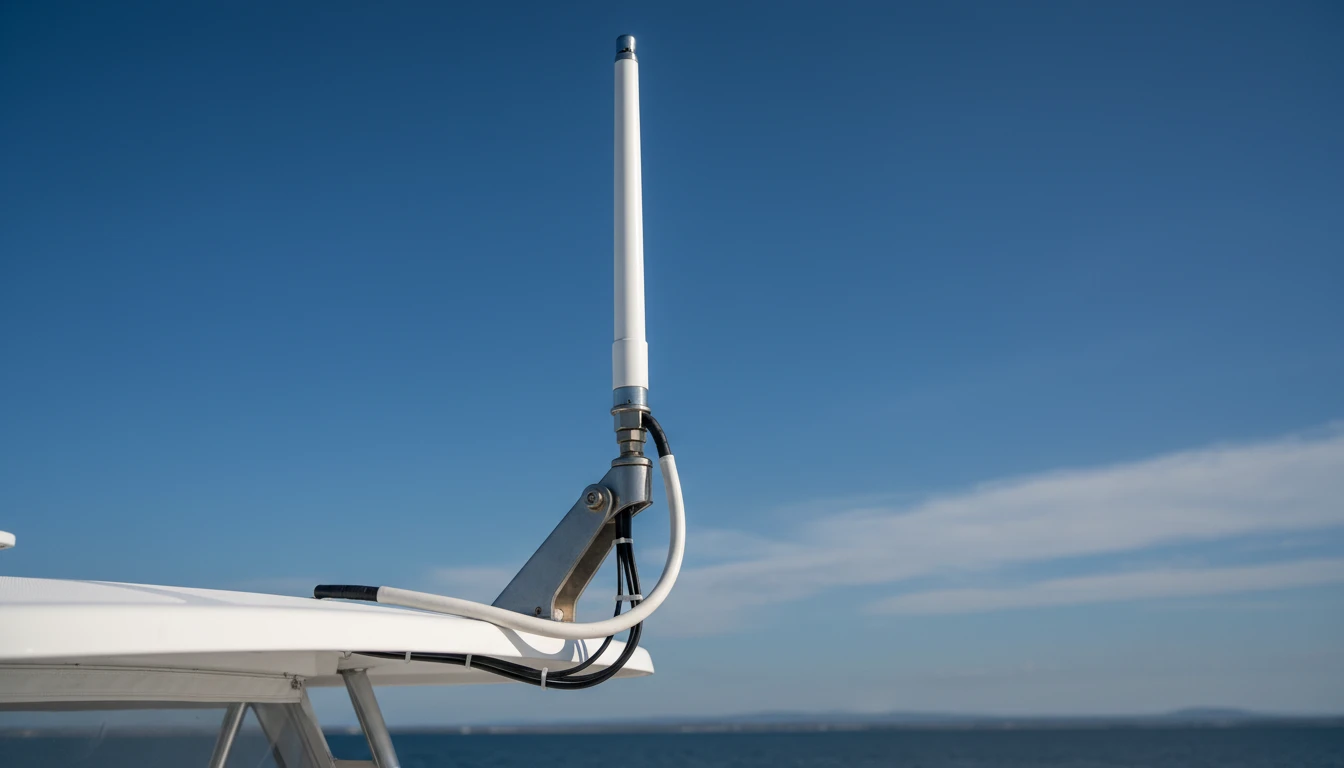
Why VHF Radio Antenna Damage Can Prevent Critical Mayday Calls
Many boaters assume their radio is fine until the moment it matters. When a Mayday call never reaches shore, the antenna is often the hidden issue. Salt, wind, sun, and water quietly wear down your gear each trip. Even a minor crack or loose fitting can leave your signal weak exactly when you need help the most. VHF radios send signals in a straight line—their power and clarity rely heavily on the antenna’s quality and where it sits. On offshore runs, a failing antenna can cut you off faster than nearly anything else.
Keeping your antenna in good shape isn’t only about your safety—it’s for your crew and anyone else aboard. During an emergency, a weak or broken antenna can spell the difference between a fast, effective rescue and a dangerous delay.
Common Causes of VHF Radio Antenna Damage
Spotting the culprits behind antenna damage means you’re better set to fix them. Here are the usual suspects I’ve run across during routine checks and helping friends:
- Saltwater Corrosion: Ocean spray can coat everything, and those salt crystals trigger corrosion at connections and inside antenna bases.
- Physical Impact: Antennas can catch blows during docking, rough loading, or even thanks to birds perching on them.
- UV Exposure: Sunlight steadily breaks down plastics and rubber, causing them to split or become brittle.
- Poor Installation: Loose mounts or cables that aren’t snug give water a way in and allow connectors to work loose.
- Wire Fatigue: Continuous movement from wind and wave action slowly causes cables to break or short inside.
Each of these risks can bring on sudden failures. Keeping an eye out for them should be a core part of your VHF antenna maintenance habits.
Why Regular Inspections Are Really Important
I make it a personal rule to check my VHF antenna carefully before every departure. Quick, routine inspections spot small issues before they bloom into full-on failures. If you spot things like rust, splits, or worn-out wires early, repairs are no hassle—and you avoid those gut-wrenching moments when your radio falls silent just as you try to use it.
Working this check into your pre-departure list is simple. Run your hands along the antenna, make sure it’s steady at the base, and scan for odd colors or loose parts. Even tiny changes can signal it’s time for maintenance. If something’s off, deal with it before heading out.
How to Prevent Mayday Calls with VHF Radio Antenna Damage Prevention
It’s the little bits of effort that save the day. Here’s how I keep my VHF ready for anything—especially emergencies:
- Regular Cleaning: Rinse your antenna with freshwater after use to wash away salt. Give all connections a wipe with a dry cloth before storing.
- Connection Protection: Use dielectric grease on connectors after cleaning to help combat moisture and block corrosion.
- Solid Mounting: Tighten mounts and brackets regularly. If you see them shifting, try a lock washer to keep things tight.
- UV Defense: Apply a UV-resistant spray or wrap sensitive spots with tape designed to keep the sun out.
- Cable Management: Route cables away from any sharp edges or areas where they could rub. Clip or tie them down to stop repeated movement from wearing through the sheath.
Commit to these easy habits, and you’ll shrink the odds your radio lets you down exactly when you need it most.
VHF Radio Antenna Troubleshooting Guide
Whenever my radio’s range drops or the sound is choppy, I work through this quick checklist to get answers:
- Try another radio—if you have one—or a handheld to check if the signal improves.
- Look over the whole antenna and connectors for rust, cracks, or obvious damage.
- Tighten all attachments by hand—never force anything too hard, particularly with plastic.
- Check wires for signs of wear, pinched spots, or standing water. Replace as needed.
- Peek at the fuse and power supply to see that voltage is steady.
- Use an SWR meter, if available, to see if power is bouncing back—this reveals hidden antenna issues you can’t see with the naked eye.
- If nothing helps, swap in a spare antenna to narrow down the source.
This approach helps figure out if the trouble lies in the radio, antenna, or cable—and gets you back on the air more quickly.
VHF Radio Antenna Repair Tips
Don’t be afraid to handle small fixes yourself—most repairs are straightforward and save you a trip to the shop:
- Scrub Away Corrosion: Clean up crusty or tarnished connections with a fine brush or sandpaper. Reapply dielectric grease right after.
- Fixing Loose Bases: Hand-tighten mounting screws and brackets. Avoid overdoing it as many bases are plastic and can crack under force.
- Changing Connectors: Crimp or solder new connectors and seal them with waterproof heat-shrink tubing for the best weather protection.
- Sealing Split Housings: Patch minor splits with marine epoxy or heavy-duty weatherproof tape until a proper replacement is available.
If you’re not comfortable making any repair, any good marine electronics shop can check your setup. Sometimes a professional look-over is worth the peace of mind.
Practical VHF Antenna Maintenance Checklist
Makeshift maintenance plans rarely work. Here’s the consistent, practical VHF radio antenna maintenance checklist I use at the beginning of a boating season and before every long run:
- Inspect the whole antenna for any damage—look for splits, bends, pitting, or anything structural.
- Tighten all brackets and check that every bolt is secure.
- Look along cable paths for nicks, spots with green corrosion, or places where cables might be pinched.
- Wipe off connectors, clean them, and add a fresh layer of dielectric grease.
- Confirm the antenna is perfectly upright and free from obstructions like rigging or gear.
- Test the radio by asking for a radio check at your local marina or hailing another boat nearby.
- Stash a spare antenna or quick-attach emergency kit somewhere on board, just in case.
By sticking to this checklist, I stay confident that my VHF system can stand up to sudden emergencies and tough weather—giving me reliable backup if I ever have to make a distress call.
VHF Radio Signal Reliability and Damage: The Big Picture
Have you ever wondered why someone’s Mayday failed to reach shore? Radio reliability issues are often to blame. Even if the VHF unit powers on and you think all is well, a weak signal caused by an old or broken antenna could leave your call unheard. VHF radio signal reliability comes down to keeping each piece in top condition: clean weatherproof connectors, sealed cable runs, a dependable power feed, and a tall, clear antenna set as high as you can safely mount it. Your range increases dramatically with a well-positioned, vertical antenna.
I’ve learned from experience that carrying spare parts and a few simple tools on board pays off. Once, after returning from a bumpy ride in rough water, I noticed that voices were fuzzy during radio checks. A quick look showed a loose bracket and a pile of salt on the base. Tightening everything up and washing away the crust fixed it right away—the radio worked like new within minutes. This is proof that a little hands-on TLC makes a big difference in real-world reliability.
Things Every Boater Should Consider to Avoid Communication Failure
Avoiding lost or garbled signals is about much more than the radio alone. Here are the other factors I keep front and center:
- Have Backups: Carry a handheld VHF radio for emergencies—plus a spare antenna, preferably with a quick-mounting kit.
- Proper Antenna Placement: Make sure nothing blocks your main antenna. Keep it clear of metal masts or other gear to boost its range.
- Training for Crew and Guests: Everyone aboard—family, crew, or guests—should know the basics for making a distress call. Practice together every season.
- Frequent Function Tests: Don’t rely on annual checks alone. Test the radio monthly, especially if your boat sits unused. Radios can go bad over a few months of inattention.
Adopting these habits means fewer headaches and better odds if trouble comes knocking on your next trip.
Advanced Tips for VHF Radio Antenna Longevity
Even if you’re not a seasoned tech, a few extra steps help squeeze more life from your antenna and gear:
- Add Weather Shields: Cover up connectors with rubber boots or purpose-made covers if they’re in a vulnerable spot.
- Upgrade Hardware: Switch out cheap or rusting screws for true marine-grade stainless—these last through years of salt exposure with little trouble.
- Use Testing Gear: With a VHF field strength or SWR meter (typically under $100), you can spot hidden antenna problems early and keep your equipment in peak shape.
- Winter Storage: Haul off antennas and store them indoors if your boat is ashore for winter. Freezing temps and ice can wreck plastic bases and fittings if left outside.
Following these extra steps can mean the difference between a ten-year lifespan and a disappointing early failure for your VHF antenna.
Real-World Examples: What Happens When VHF Antennas Fail
I’ve witnessed—and heard about—emergencies where a Mayday call was missed because of a bad antenna. On one fishing boat, the radio’s distress signal didn’t get through for nearly an hour. The cause? Massive corrosion inside the antenna, undetected for months, which left their transmission so weak it barely reached the next mile marker. Another time, I saw a sailor yelling into a silent mic, all because a single cable was unplugged at the mast base. Both situations were solved with a bit of detective work and quick repair—but they serve as reminders for why regular checks matter.
Based on my experience, performing regular maintenance and keeping a basic repair kit on board takes the sting out of these situations. Being ready for problems before they happen is just a part of smart seamanship.
Frequently Asked Questions
Boaters often ask me about keeping VHF antennas and radios in top order. Here’s what comes up most:
Question: How can I tell if my VHF antenna is going bad?
Answer: Listen for static, check your range, or ask nearby boats if your clarity is poor. If you fail basic radio checks even when close by, or see damage on connectors, cabling, or the antenna itself, it’s probably time to fix or replace something.
Question: Should I repair a cracked antenna or buy a new one?
Answer: Small splits may be patched up for a short time with marine epoxy or tape—just for emergencies. If you want long-term reliability, swap it for a new unit as soon as you can. Remember that your expensive radio is only as reliable as the antenna feeding it.
Question: What’s the best schedule for replacing VHF antennas?
Answer: While there’s no strict expiration date, I like to switch mine every 5 to 7 years, or sooner if corrosion or regular troubles pop up.
Staying Safe with Reliable VHF Radio Communication
When you take care of your VHF radio and antenna, you give yourself the best shot at staying safe and reachable if something goes wrong. Stick with regular inspections, learn some quick repair tricks, and rely on my maintenance checklist to stay on top of things. Good radio habits, a reliable antenna, and the know-how to troubleshoot will protect your crew and yourself—so you can focus on enjoying the water instead of worrying about whether your Mayday call will get through. Strong preparation beats a crisis every time.
About The Author