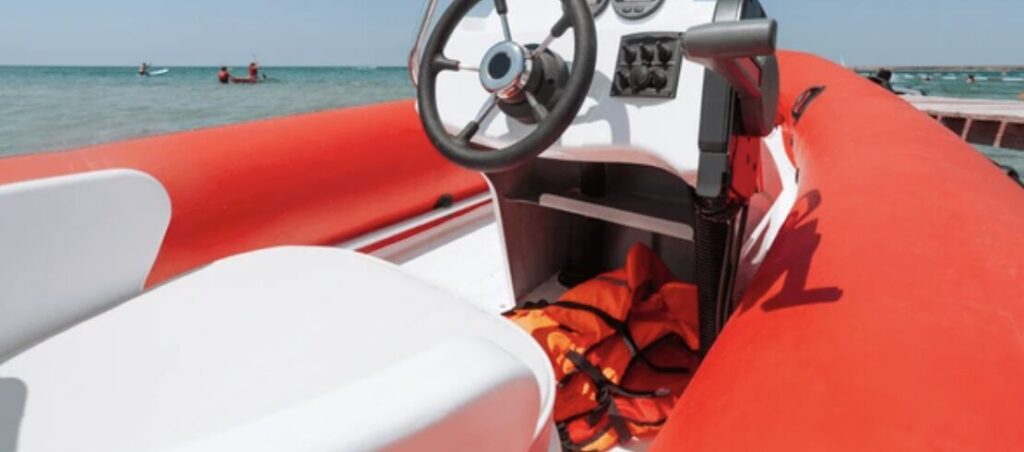
Not everyone knows what is the GPS for boats, so this topic and the available models will be discussed briefly.
GPS, or Global Positioning System, has transformed the way we navigate the world, and its application in boating is no exception. Originally developed for military use, GPS systems now guide everything from cars to cell phones, and their role in boating is invaluable. Boaters rely on GPS for precise location tracking, route planning, and navigational assistance, making it a staple for safe and efficient travel on the water.
Marine-specific GPS units differ from those used on land by incorporating features tailored to the aquatic environment. These include water-resistant designs, integration with marine maps and charts, and functionalities like depth finding and fish location, which are essential for enthusiasts and professionals alike. These systems are designed to withstand harsh maritime conditions, ensuring reliable performance when it’s needed most.
The benefits of using GPS systems on boats are numerous. Aside from offering real-time location data, GPS units help sailors avoid obstacles, mark key points like fishing spots or hazards, and calculate optimal routes efficiently. This not only enhances safety but also improves the boating experience by extending navigation capabilities.
Navigational aids like GPS are crucial, especially in seas and oceans where landmarks are few and far between. By using marine GPS systems, boaters can enjoy peace of mind knowing they have a robust tool at their disposal no matter the weather or visibility conditions. This makes them indispensable for anyone serious about boating.
To sum up, understanding the value and function of GPS systems in boating is important for any mariner, whether you’re charting a course for fun or traversing waters as part of your livelihood. By leveraging the full capabilities of modern GPS technology, you can enhance both safety and efficiency, ensuring every trip is as smooth and enjoyable as possible.
Popular Boat GPS Navigation Systems: Overview and Features
Exploring the seas with confidence hinges on choosing the right navigation system. Among the leading players, Garmin GPS systems have carved out a significant place in marine navigation. Known for their accuracy and reliability, Garmin devices offer advanced mapping technology and user-friendly interfaces that make them favorites among boaters.
Another standout in the marine GPS scene is the Helix 5 Chirp GPS G3 Fish Finder. This gadget combines fish finding and navigation features, making it the perfect choice for avid anglers. With CHIRP sonar technology, not only does it show clear underwater views, but it also provides detailed maps to guide you efficiently.
Lowrance’s Elite FS Fish Finder is another product that offers considerable advantage with its Active Imaging technology. This system integrates imaging capabilities with comprehensive C-MAP Contour+ Charts, delivering a detailed view of your surroundings. It’s more than just a GPS – it’s a bundle designed to optimize your fishing and boating experience.
For those looking at handheld devices, the Garmin GPSMAP 79s units serve well with their rugged designs and floatability. Perfect for smaller boats or as a backup option, this unit keeps you on course with ease, even in challenging environments. Its worldwide basemap is a reliable partner wherever your adventures take you.
Understanding the features and benefits of these popular GPS systems helps in making an informed choice. Each system offers unique advantages, whether you’re prioritizing fishing, comprehensive mapping, or handheld versatility. Assessing your personal boating style and needs can lead you to the perfect system that enhances every trip, making your time on the water both safe and enjoyable.
In-Depth Review: Analyzing Leading Fish Finders and GPS Units
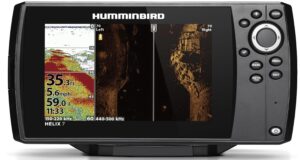
Taking a deeper look at top-rated fish finders and GPS units can help you decide what’s best for your needs. The Humminbird 411920-1 Helix 7 SI GPS G4 stands out with its Side Imaging capability, offering a comprehensive view of the water beneath and around your boat. This feature is incredibly useful for fisherman serious about tracking their catches with precision.
Garmin’s GPSMAP 79s is another top contender, ideal for those preferring a handheld device without sacrificing important features. Its rugged design and ability to float are well-suited for any situation on the water, ensuring it remains functional even if it takes an unexpected fall into the drink. Plus, its global basemap keeps navigation reliable, no matter where you are.
Comparing these devices shows key differences in their strengths. Humminbird’s focus on integrated fish finding technology is unmatched, while Garmin’s emphasis on durability and comprehensive navigation caters to a broader audience. Lowrance’s Elite FS Fish Finder, with its Active Imaging, combines detailed underwater views with superb mapping capabilities, making it a middle ground option for multi-use scenarios.
When it comes to usability and readability, each device has its own perks. Humminbird and Lowrance provide larger screens that benefit users engaged in serious fishing or long navigation, offering clear visuals and easy access to different functionalities. Meanwhile, the Garmin GPSMAP 79s excels with its simplicity and robust design, perfect for handheld use and quick checks.
Exploring the specifics of these units, from screen size to sonar capabilities, helps in understanding which device will best suit your boating needs. Consider what aspects are most critical for your adventures on the water, and you’ll be closer to picking the perfect navigational companion.
Choosing the Right GPS System for Your Boat: Factors to Consider
Selecting the perfect GPS system for your boat requires knowing what you need out there on the water. Whether it’s for recreational cruising or serious angling, understanding your specific usage scenarios guides the decision. For those simply enjoying leisurely rides, a basic system with easy navigation might be enough. But if fishing is your passion, investing in a system with advanced sonar and mapping makes all the difference.
When thinking about integration, it’s essential to consider how your GPS will interact with other marine technologies you have. Many modern systems allow seamless integration with radars, autopilots, and even smartphone devices, giving you more unified control over your boat’s operations. Checking compatibility with existing equipment ensures full functionality, minimizing any headaches.
Durability and water resistance are vital, especially in marine environments. Systems like the Garmin GPS that float provide added peace of mind, ensuring that a splash or fall doesn’t lead to an expensive loss. Opting for waterproof or toughened designs extends the lifespan of your electronics, keeping them in action regardless of the conditions.
Navigation accuracy is another key aspect, largely influenced by the mapping technology within your GPS system. Units boasting high-definition maps or the ability to load additional chart packs offer better guidance, particularly in unfamiliar waters. These advanced features often come preloaded in systems like the Lowrance and Garmin models, adding significant value through comprehensive coverage.
Choosing wisely involves weighing these different aspects against your budget and intended use. A good GPS system does more than show you the way – it provides safety, enhances the boating experience, and adapts as your skills and adventures grow.
Making the Most of Your Boat GPS: Tips and Best Practices
Setting up correctly is crucial to get the most from your boat GPS. Start by familiarizing yourself with the manual and all its features; this means diving into settings and understanding how they can be adjusted to fit your specific needs. Taking the time to do this initially can save a lot of hassle later on.
Regular maintenance and updates are key to keeping your GPS system running smoothly. Periodically check for software updates that improve functionality and fix bugs. New map updates are especially important as they often include recent changes like new obstacles or shifting waterways, enhancing your navigation accuracy.
Utilizing all available features can enhance safety and efficiency. For instance, exploring preset waypoints and routes can make navigating easier and quicker. Features like trackback can bring peace of mind if you need to retrace your path quickly without manually plotting the course again.
Ensuring your device is kept in optimal condition through simple practices like avoiding prolonged exposure to harsh elements, cleaning it regularly, and storing it properly when not in use can increase its lifespan. Many issues arise from neglect, so these small efforts go a long way in maintaining your unit.
Tapping into community resources can uncover tips and tricks from seasoned boaters. Online forums and local clubs often share insights on GPS systems that are specific to certain areas or activities. This collective knowledge can offer practical solutions and guidance, especially if you’re encountering unique navigational challenges.
As an Amazon Associate I earn from qualifying purchases.

Navigating the Waters with Confidence: The Importance of GPS for Boats
Not everyone is familiar with the concept of GPS for boats, but it’s a game-changer for anyone who spends time on the water. GPS (Global Positioning System) technology has revolutionized marine navigation, making it safer and more efficient. Whether you’re a seasoned sailor or a weekend boater, understanding the benefits and available models of marine GPS can enhance your boating experience.
Reply
Hello!
This article does a fantastic job explaining the importance of GPS systems for boats, especially for those new to navigating waterways. It’s fascinating to learn how GPS technology not only helps pinpoint location but also ensures safety by avoiding hazards and improving route efficiency.
I’m curious—how do different GPS models compare in terms of accuracy and additional features like weather updates or depth tracking? Are there specific brands or models that stand out for recreational boating versus commercial use?
Also, I wonder about integrating GPS with other marine tech. For instance, have you come across systems that seamlessly pair with sonar or autopilot features? It feels like the possibilities for streamlining navigation are endless! I’d love to hear thoughts or recommendations from seasoned boaters on their must-have GPS features.
Angela M 🙂
Reply
Hi Angela,
Thank you for such thoughtful comments and questions! You’re absolutely right—GPS systems have revolutionized marine navigation, making it safer and more efficient for everyone from recreational boaters to commercial captains.
Comparing GPS Models
Accuracy is a critical factor in any GPS system, and most modern models offer excellent precision thanks to advancements in satellite technology. However, higher-end models often include additional features like real-time weather updates, AIS (Automatic Identification System) integration for vessel tracking, and depth tracking via transducer connectivity. Brands like Garmin, Raymarine, and Simrad are known for producing reliable GPS units tailored to various boating needs. For recreational use, models like the Garmin GPSMAP series are popular, while commercial users may prefer something more robust like Furuno’s NavNet systems, which offer extensive features for professional applications.
Integration with Other Marine Tech
Integration is an exciting frontier for marine technology! Many GPS systems can now pair with sonar, radar, autopilot, and even smartphone apps for centralized control and monitoring. For instance, Garmin’s Chartplotters integrate seamlessly with their Panoptix sonar systems and autopilot solutions. Similarly, Simrad’s systems allow for full integration with radar, autopilot, and even entertainment systems onboard.
Recommendations from Boaters
Seasoned boaters often emphasize features like:
User-friendly interfaces for quick adjustments.
Real-time data for weather, tides, and depth.
Multi-function displays (MFDs) that combine GPS, sonar, and radar into one screen.
Durability and water-resistance for marine environments.
If you’re venturing into recreational boating, a reliable GPS with basic navigation and some add-ons like fish-finding sonar could be ideal. For more advanced needs, investing in a system that integrates multiple technologies might be worth it.
What kind of boating are you into—fishing, leisure cruising, or something else? I’d be happy to share more tailored recommendations! 😊
Cheers,
Andrejs
Reply
This article is such a clear and informative guide! I really appreciated how you broke down what GPS for boats is and its practical uses—it’s so helpful for someone like me who’s new to the world of boating. The section explaining the different features to look for, like mapping and route planning, was especially useful and made it easy to understand what’s essential versus nice-to-have. I’m curious—do you think there are specific GPS models that are better suited for beginners compared to more experienced boaters? This was such a great read, and I feel much more prepared to explore GPS options for my next boating adventure!
Reply
Thank you so much for your thoughtful and encouraging comment! I’m thrilled to hear that you found the article helpful, especially as someone new to boating. My goal was to clearly explain features like mapping and route planning, so I’m glad it resonated with you.
To answer your question about GPS models for beginners: yes, there are definitely models that cater more to those just starting out. Beginner-friendly GPS units often have intuitive interfaces, preloaded maps, and essential features like route planning and waypoint marking without overwhelming you with advanced options. Some good examples are models like the Garmin Striker series or Simrad Cruise, which focus on simplicity and ease of use while still offering great functionality. For more experienced boaters, advanced models like the Garmin GPSMAP series or Raymarine Axiom may be better suited, as they include more sophisticated tools for navigation and connectivity.
Thanks again for your kind words, and I hope you enjoy exploring your GPS options for your next boating adventure! If you have any more questions, feel free to ask. Safe travels on the water! 🚤🌊
Reply
Hey Andrejs,
Really enjoyed your comprehensive breakdown of marine GPS systems! Your point about GPS transforming from military tech to an essential boating tool really caught my attention.
I’m curious though, with all the advanced features in modern marine GPS systems (like fish finding and depth scanning), do you think some boaters might be becoming too dependent on technology? I’ve heard stories of experienced sailors who still insist on maintaining traditional navigation skills alongside GPS usage.
The Humminbird 411920-1 Helix 7 SI GPS G4 you mentioned sounds impressive with its Side Imaging capability. Have you had any hands-on experience with both this and the Garmin GPSMAP 79s? Would love to hear your thoughts on which one performs better in challenging weather conditions.
Also, you touched on GPS integration with other marine technologies, do you think we’re moving toward a future where all boat systems will be fully connected? What potential risks or benefits do you see in this trend?
Looking forward to hearing your perspective!
All the Best,
Eric
Reply
Hey Eric,
Thanks so much for your thoughtful comment—I’m glad you enjoyed the breakdown! You raise some excellent points about the balance between technology and traditional navigation skills. I completely agree that while marine GPS systems have revolutionized boating, relying solely on technology can be risky. Experienced sailors who maintain traditional navigation skills like chart plotting and celestial navigation often have a critical backup in case of system failure, and that’s a habit worth preserving.
As for the Humminbird 411920-1 Helix 7 SI GPS G4 versus the Garmin GPSMAP 79s, I’ve had hands-on experience with the Humminbird, and its Side Imaging and user-friendly interface are standout features, particularly for anglers. While I haven’t personally tested the GPSMAP 79s, I’ve heard it’s a robust unit, especially for handheld use and navigating in rough conditions. If you’re prioritizing portability and ruggedness, the Garmin might edge out, but for integrated tech and detailed imaging, the Humminbird is hard to beat.
Regarding the integration of marine technologies, I think we’re definitely moving toward fully connected systems where GPS integrates seamlessly with radar, autopilot, sonar, and even smart home-style monitoring for boats. The benefits are huge—enhanced safety, efficiency, and convenience. However, the risks, like system hacks or over-reliance on a single point of failure, can’t be ignored. It’ll be interesting to see how manufacturers address these challenges as the technology evolves.
Thanks again for sparking such an engaging discussion—I’d love to hear your thoughts on this trend too!
All the best,
Andrejs
Reply
This is a great overview of how GPS systems have become indispensable in boating.
I particularly appreciate the emphasis on the unique features marine GPS units offer, like depth finding and fish location. It’s clear that these systems are designed to withstand the elements and provide crucial navigational assistance.
I wonder about the ease of use for beginners—how intuitive are these systems, and do they offer tutorials for first-time users?
Thanks for shedding light on this important technology!
Reply
Thank you for your thoughtful comment! I’m glad you enjoyed the overview and found the focus on unique features like depth finding and fish location helpful. It’s true that marine GPS systems are built to be robust and highly functional in challenging environments.
Your point about ease of use for beginners is excellent. Many modern marine GPS units have user-friendly interfaces, and some even include built-in tutorials or companion apps to help new users get started. However, the intuitiveness can vary between brands and models, so it’s worth researching or trying out a device to ensure it fits your comfort level.
Thanks again for your input—it’s always great to engage with readers who are curious and insightful!
Reply
What a fantastic overview of the transformative role GPS systems play in boating! The article does an excellent job of explaining both the basic and advanced features of marine GPS devices, making it accessible for everyone, whether they’re seasoned sailors or beginners.
I especially liked the breakdown of popular GPS models like Garmin and Lowrance, as it highlights how different units cater to specific needs, from fishing to recreational cruising. The tips on maintenance and best practices are practical and often overlooked, yet they’re so vital to getting the most out of these devices.
If I were to add a thought, it might be worth emphasizing how GPS systems can contribute to environmental awareness by helping boaters avoid sensitive marine areas. Overall, this is a great read for anyone looking to make their time on the water safer and more enjoyable!
Reply
Thank you for the thoughtful feedback! I’m so glad you found the article engaging and informative. Your suggestion to highlight how GPS systems can promote environmental awareness is an excellent addition—it’s a crucial aspect that deserves more attention. By helping boaters navigate responsibly and avoid ecologically sensitive areas, these devices can play a key role in marine conservation.
I appreciate you taking the time to share your insights and ideas. It’s always great to hear how the content resonates with readers and how it can be further enriched. Thank you!
Reply
This is an excellent overview of the importance of GPS systems in boating. The article does a great job of explaining how these devices enhance safety, navigation, and overall boating experiences, particularly in environments where traditional landmarks are absent. The discussion of marine-specific GPS features like water resistance, integration with marine maps, and advanced sonar capabilities resonates with anyone who spends time on the water.
From my experience as a recreational boater, having a reliable GPS is a game-changer. On one trip, I used a Garmin marine GPS, and its real-time tracking and preloaded charts saved me from veering off course in unfamiliar waters. It also helped mark fishing spots, which was incredibly convenient.
I agree with the article’s emphasis on regular maintenance and updates. Many boaters overlook these steps, but they are crucial for ensuring accuracy and reliability, especially in ever-changing marine environments.
What are others’ thoughts on balancing features versus budget when choosing a GPS? For me, the added durability and advanced features of high-end models have always been worth the investment. What’s your experience?
Reply
Thank you for sharing your thoughts and personal experience! Your story about the Garmin marine GPS highlights exactly why these devices are so invaluable for boaters. As you said, real-time tracking, preloaded charts, and the ability to mark fishing spots are game-changing features. It’s great to hear firsthand how these tools can make a trip safer and more enjoyable.
As for balancing features versus budget, it’s a thoughtful question. In my opinion, it comes down to the type of boating you do and your priorities. For occasional or recreational boaters in familiar waters, a basic model might suffice. But for those venturing into unfamiliar or challenging environments, investing in a high-end GPS with advanced features—like sonar, beBalancing features against budget iside peace of mind and long-term value.
What features do others consider essential in their GPS units, and how do you prioritize them? It’d be great to hear more perspectives!
Reply
I am very familiar with Garmin. They seem to be the company thought of when GPS tech is discussed. Never heard the likes of Helix or Lowrance. Which boat GPS system would you consider the best for navigating around obstacles in the water? Which one has the best updates for current conditions out at sea?
Fishing is a hobby I partake in so I like the sound of the Helix 5 Chirp because I always like to seek the upper hand in finding out where the fish are biting. I feel like I leveled up my boating XP today visiting your site. Maybe I won’t scratch my boat so much knowing about the underwater obstacles in advance and I won’t go in the wrong direction either. Cheers.
Reply
Thank you for your thoughtful comment! Garmin is a well-known leader in GPS technology and has earned its reputation with reliable, user-friendly devices. However, brands like Helix (by Humminbird) and Lowrance have been making waves in the marine electronics space, particularly among anglers and boating enthusiasts.
For navigating around underwater obstacles, Garmin’s ECHOMAP UHD series and Humminbird’s Helix series are excellent choices. Garmin’s mapping systems, such as BlueChart g3 and LakeVü g3, provide incredible detail and integration with real-time updates if paired with the ActiveCaptain app. On the other hand, Helix has detailed underwater imaging, which is perfect for spotting obstacles and fish for navigating underwater obstacles.
As for current updates on sea conditions, Garmin’s connectivity with real-time services through its apps provides a solid edge. However, if fishing is your main focus, the Helix 5 Chirp is an outstanding choice. Its precise fish-finding capabilities and easy-to-read displays could give you the “upper hand” you’re looking for.
It’s great to hear you feel like you’ve leveled up your boating knowledge—avoiding obstacles and finding fish like a pro sounds like a win-win! Safe travels on the water, and happy fishing! Cheers! 🎣🚤
Reply
Really insightful, thanks. I like how you showed the importance of considering different water conditions when choosing a GPS. I hadn’t thought about that before but it completely makes sense. Now I have a much better understanding of the factors influencing my choice. Thanks for the knowledge
My only question is – do you have any recommendations for beginner-friendly GPS models that are also relatively budget-friendly? 🙂
Reply
Thank you for your thoughtful comment! I’m glad you found the post insightful and helped you better understand the importance of water conditions when choosing a GPS.
As for beginner-friendly and budget-friendly GPS models, I recommend the Garmin eTrex 22x or the Magellan eXplorist 310. Both are user-friendly, durable and offer great value for the price. They’re perfect for beginners and work well in a variety of conditions.
If you’re looking for a marine GPS specifically, the Garmin Striker 4 is another excellent option that’s reasonably priced and easy to use.
LPlease don’t hesitate to ask formore details on any of these models or if you have other questions. Happy exploring!”
Reply
I didn’t realize how advanced marine GPS devices have become. They now offer features like route planning and weather tracking. It’s impressive how essential they are for both safety and convenience on the water. I’m curious are there specific GPS models or features you’d recommend for someone just starting out with boating? Someone who might not need all the advanced options yet?
Reply
For someone just starting out with boating, choosing a marine GPS device that balances ease of use, essential features, and affordability is key. Here are a few recommendations and features to consider:
Features to Look For:
Basic Navigation: Ensure the GPS provides accurate chart plotting and clear mapping to help you navigate safely.
User-Friendly Interface: Look for a model with an intuitive display and easy-to-read screen, especially for beginners.
Waypoint and Route Tracking: Basic waypoint marking and route planning features are crucial for charting your trips.
Waterproof and Durable: Marine environments can be harsh, so make sure the device is rugged and water-resistant.
Integration Potential: If you plan to upgrade later, consider a model that can integrate with other marine electronics like fish finders or autopilot systems.
Preloaded Charts: Devices that come with coastal and inland waterway maps are helpful for beginners.
Recommended Entry-Level Models:
Garmin Striker Series: Affordable and beginner-friendly, these models include GPS and basic fish-finding capabilities.
Lowrance HOOK Reveal Series: Easy to use, with simple navigation features and optional sonar integration.
Raymarine Element Series: Offers straightforward chart plotting and a solid display without overwhelming features.
Humminbird HELIX 5: Compact, durable, and perfect for small boats or first-time users.
These options are great starting points for safety and convenience on the water. As your boating experience grows, you can explore more advanced models with features like weather overlays and radar integration. 😊
Reply
Marine GPS technology has revolutionized navigation, making boating safer and more efficient. Whether for leisure or professional use, having the right system ensures a smoother and more secure experience on the water.
A special acknowledgment goes to the innovators and manufacturers behind these advanced GPS systems Garmin, Lowrance, Humminbird, and others for continuously improving marine navigation with cutting-edge features.
Additionally, appreciation goes to the boating community for sharing insights and experiences that help others make informed choices. By embracing these technologies and best practices, we enhance safety, efficiency, and enjoyment on every journey.
Reply
Absolutely! Marine GPS technology has truly transformed navigation, making it easier and safer for boaters of all levels. Huge credit to companies like Garmin, Lowrance, and Humminbird for their continuous innovations. It’s also great to see the boating community coming together to share knowledge and experiences—real-world insights make all the difference! Safe and happy boating to all!
Reply
I just wondered if GPS navigation systems work mainly off satellite, or do they need an internet connection. Out at sea it may be hard to get a connection, so hopefully satellite systems are easier to navigate.
I think it is really important for boats of all types to have GPS navigation systems of some sort, as going out to sea when you can’t see land anymore is very confusing, and it is so easy to go the wrong way an get lost. Thank you for this interesting information on what to look out for in a GPS system and how to care for it.
Reply
Great question! GPS navigation systems primarily work using satellite signals, so they don’t require an internet connection to determine your location. That’s why they’re so useful at sea, where internet access can be limited or unavailable. However, some GPS devices use internet-based services for extra features like real-time weather updates and map downloads. And I completely agree—having a reliable GPS system on board is essential for safe navigation, especially when land is out of sight. Glad you found the information helpful!
Reply